The de minimis rule allowed low-value shipments under $800 to enter the U.S. duty-free. Now lawmakers want to end or significantly reduce that threshold, which means ecommerce brands will face higher import duties, slower customs processing, and fewer loopholes. The shift will reshape supply chains, raise costs for overseas imports, and make domestic fulfillment far more important than ever.
If your ecommerce business relies on parcel-by-parcel imports, you’ll need to shift into bulk freight, domestic warehousing, better forecasting, and stronger inventory management immediately.
Most ecommerce operators go years without thinking about customs law. You source products, ship them to customers, store what you need, maybe check duty codes once in a while, and move on. But the de minimis rule changed all of that. It quietly shaped the entire cross-border ecommerce model. And now it’s being dismantled.
If you operate an ecommerce warehouse, use a pick and pack fulfillment center, or manage Shopify fulfillment, you’ve probably noticed hints of this change already: rising duty scrutiny, slower clearance for certain shipments, and more talk in Congress about unfair advantages for foreign sellers.
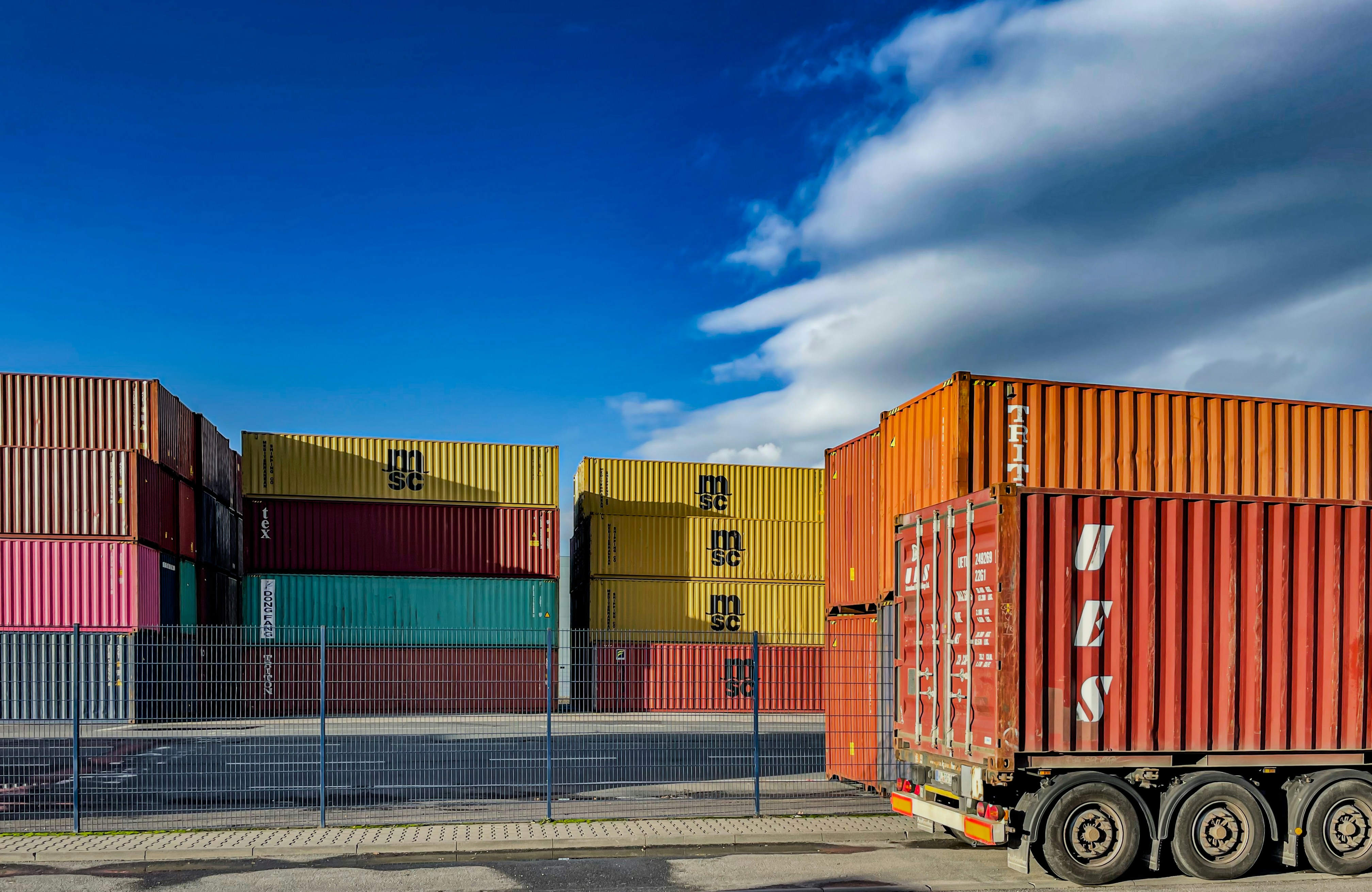
There’s long been concern about the sheer volume of duty-free imports entering the U.S. A single Chinese marketplace can ship millions of parcels a week under the $800 threshold. Some days it feels like entire global supply chains run through that number.
Now policymakers see a system stretched past its limit. That’s why the end of the de minimis rule isn’t a maybe. It’s a when.
Let’s walk through what’s happening, why it matters, and how your ecommerce business can prepare before the change slams into your margins.
The de minimis rule, in U.S. trade law, allows imports valued under a specific threshold to enter the country duty-free.
That threshold is currently $800.
To understand how unusual that is, consider:
The U.S. threshold is unusually high, and it has turned into a magnet for small-parcel traffic from overseas platforms (OECD).
The de minimis threshold was:
A jump from $200 to $800 was enormous, and importers immediately took advantage.
If your business ever shipped directly from overseas factories to customers, you’ve probably leaned on Section 321,the legal mechanism that administers de minimis clearance.
There are several reasons lawmakers are moving fast on this issue, but two stand above everything else:
The Government Accountability Office issued a detailed report documenting misclassification, undeclared goods, and lopsided market advantages.
Once the GAO steps in, policy is sure to follow.
Let’s break down the likely effects and how they’ll hit ecommerce first.
Small importers will face new duty obligations on shipments that were previously free. Even a reduction back to $200 would affect millions of parcels.
Duty-free parcels move faster.
Duty-assessed ones get slowed by inspections, paperwork, and more complex data reviews.
The World Customs Organization has repeatedly warned about small-parcel congestion.
Brands relying on direct-to-consumer imports from overseas suppliers will see:
Once the loophole closes, brands need inventory inside the U.S.
That means stronger planning around:
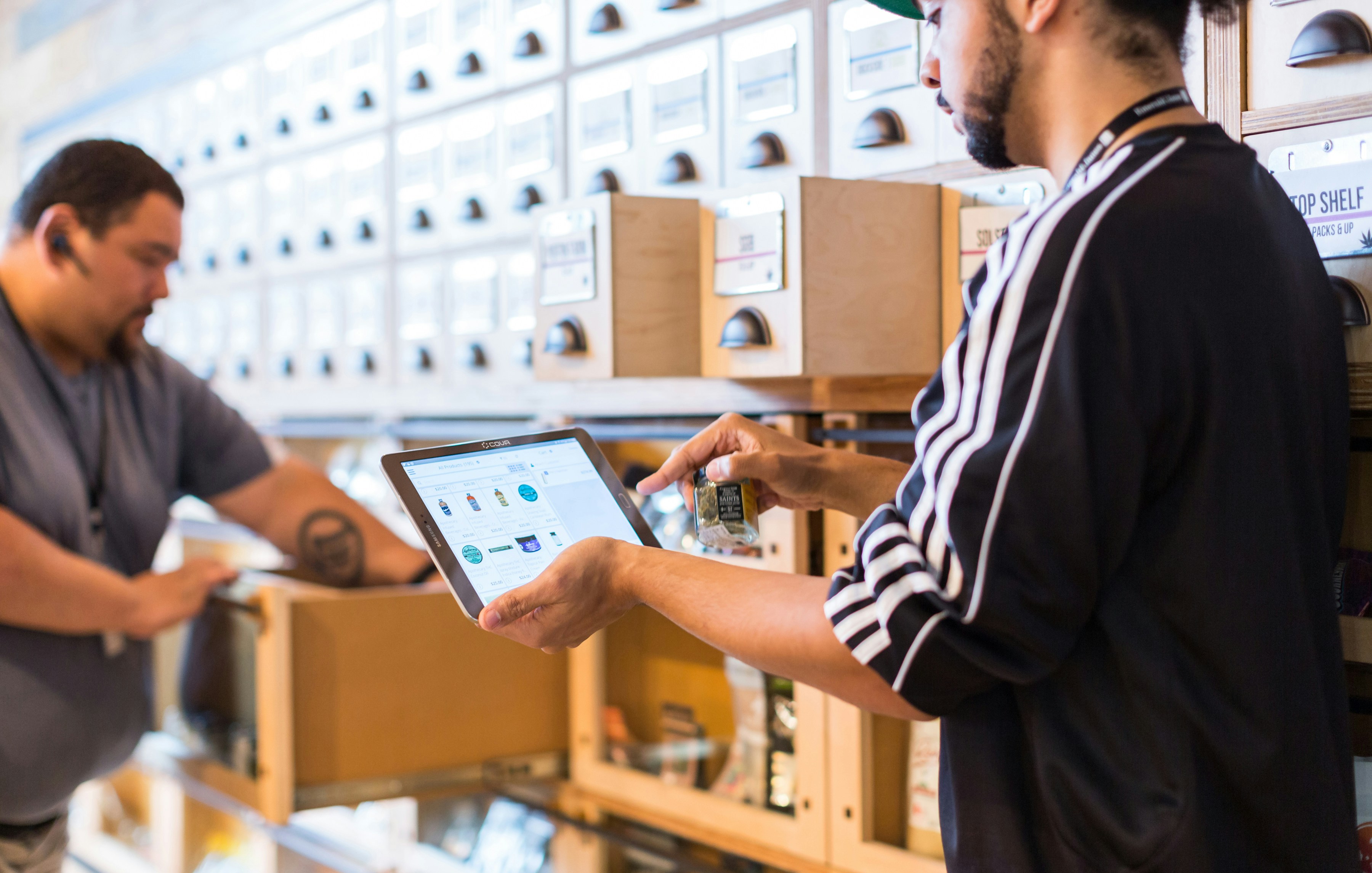
Domestic fulfillment partners become a lifesaver, especially if you rely on specialized services like fashion fulfillment, subscription box fulfillment, temperature control storage, or kitting and assembly.
Right now, some returns slip under de minimis. With reform, every return becomes slower and pricier.
Online sellers shipping one unit at a time from overseas lose their competitive edge instantly.
Let’s look at the categories most exposed.
Fast-fashion brands that send parcels directly from Asia lose their biggest cost advantage.
Using a domestic partner for apparel fulfillment becomes the new norm.
These already face heavy inspection, and losing de minimis just adds another regulatory layer. Domestic warehousing for supplements becomes mandatory.
Helpful resource: nutraceutical fulfillment
This sector relies heavily on just-below-$800 shipping.
Expect major model changes.
If your store depends on consistent fast shipping, you need domestic inventory, integrated sales channels, and a dependable partner.
See: shopify fulfillment
This is the practical roadmap you need now.
Parcel-by-parcel imports will be too slow and expensive.
A domestic warehouse solves this.
A good starting point is understanding the basics of inventory vs stock.
Bulk freight means:
To compare freight modes, review parcel vs LTL vs FTL shipping.
The end of de minimis makes fulfillment the centerpiece of your business.
You must streamline:
Start with a detailed guide: pick and pack fulfillment
You’ll also want to understand the overall stages of a 3PL fulfillment process.
You can’t run lean anymore.
Use stronger forecasting techniques to keep a buffer and avoid stockouts.
A helpful resource: supply chain forecasting
You must ensure accuracy in:
If you need a glossary, read: common shipping terms
Fewer supply chain surprises means happier customers.
Learn how last mile works: last-mile delivery
Returns will get pricier and more complex.
To keep customers happy, evaluate tools like loop fulfillment and stay ahead on issues like delivery exceptions.
Brands now use multiple U.S. nodes instead of one.
Find options through warehouse shipping locations.
Big brands are always early to adjust.
Here’s what they’re doing:
A clear example is in the way brands utilize major ports, such as covered in the analysis of Ports of Los Angeles and Long Beach.
No one wants single-point failure when customs delays become more common.
This includes:
Especially for high-turnover categories like fashion, accessories, and home goods.
Other nations lowered de minimis thresholds to protect domestic commerce.
The U.S., however, tried to streamline online retail by elevating it to $800, which seemed harmless in 2016 before cross-border ecommerce exploded.
Once marketplaces realized they could avoid duties simply by splitting shipments into individual parcels under $800, a loophole became a highway.
The U.S. isn’t acting alone.
This is part of a global trend to modernize cross-border rules.
Here’s what the next five years look like:
There’s no turning back once this shifts.
The momentum is too strong.
Fortunately, anyone can migrate into the winner’s circle with the right operational playbook.
Below is the checklist to execute now.
Use domestic fulfillment options. A guide: ecommerce warehouse
Start here: pick and pack fulfillment
If you run recurring shipments: subscription box fulfillment
Avoid surprises by learning the basics: common shipping terms
Shift into bulk: parcel vs LTL vs FTL shipping
Know how to handle issues: delivery exception
Review: warehouse management
The de minimis rule didn’t just affect customs. It reshaped:
Its end resets the entire playing field.
Brands that adapt early will outperform competitors.
Those that wait will drown in duties, delays, and furious customers wondering why shipping costs doubled overnight.
The future belongs to brands with domestic warehousing, smart forecasting, and stable fulfillment networks.
The transition is happening fast.
If you need help moving inventory into the U.S., setting up nationwide fulfillment, or stabilizing your supply chain, ShipBots is already prepared for the post-de-minimis era.
Let’s get you ahead now.
Sign up here and build a supply chain that’s ready for what’s next.




.svg)




.jpg)
.jpg)




.jpg)













.jpg)