Apparel fulfillment gets messy fast. High SKU counts, fit-sensitive returns, seasonal spikes, and shoppers who treat bracketing like a sport all pile pressure onto your warehouse. When you pair smart ecommerce warehousing with a streamlined pick and pack warehouse, tight shopify fulfillment, and a partner that lives and breathes apparel fulfillment companies, you turn that chaos into a predictable, scalable operation. The rest of this guide walks through the biggest apparel fulfillment problems and the specific operational fixes that keep your brand growing instead of scrambling.
Apparel looks simple on a product page. A clean photo, a size selector, a color swatch, maybe a short fit note. Behind that tidy interface sits a warehouse dealing with dozens of sizes, shades, cuts, fabrics, and seasons all colliding at once. A single style can explode into a grid of SKUs that fill shelves in ways spreadsheets never fully capture.
The stakes keep rising. The global apparel market is worth well over a trillion dollars and continues to grow steadily, which means new brands enter every month and established players fight to protect share. UniformMarket+1 At the same time, shoppers expect fast shipping, flexible returns, and a tailored experience that feels personal, even when the order is one of thousands that day.
Now layer in return behavior. Recent data from the National Retail Federation shows that nearly one in five online purchases is expected to come back in 2025, with hundreds of billions of dollars flowing through the returns pipeline. National Retail Federation Apparel sits at the sharp end of that trend. Fit, color, drape, and fabric feel are hard to judge on a screen, so customers treat the cart like a fitting room and send anything that does not feel perfect straight back.
From our perspective, apparel fulfillment is a constant balancing act. You have to keep inventory accurate while SKUs multiply, push orders out quickly without sacrificing accuracy, process returns at speed, and still leave room for merchandising experiments, subscriptions, and seasonal drops. When any one of those pieces slips, it shows up first in support tickets, then in reviews, then in revenue.
So let’s strip this down into what actually goes wrong and how to fix it. Problem by problem, solution by solution.
Apparel brands rarely launch “one product.” They launch a style in multiple sizes, colors, lengths, and sometimes fabrics. That one hero hoodie becomes a wall of SKUs overnight. Multiply that by every category in your line and the warehouse floor quickly becomes a maze.
When inventory management is loose, a few things start happening:
The impact shows up everywhere. Customers receive the wrong item, orders get canceled after checkout, and your team spends their time firefighting instead of planning. Forecasts lose accuracy because the underlying data is off. That creates a feedback loop where buying decisions drift further away from reality.
This problem is rooted in two things: poor SKU structure and weak visibility. If variants are not labeled clearly and stored logically, even the most careful picker can misread a label. If your warehouse management system and your ecommerce platform do not sync cleanly, your stock numbers become a suggestion instead of a truth.
It is even worse when you are scaling across sales channels. If you sell on your own site, marketplaces, and maybe wholesale, you need a single source of inventory truth or every channel starts overselling.
Solving SKU chaos starts with visibility. All your channels and locations need to report into a single inventory picture. That means your ecommerce platform, marketplaces, and warehouse should talk in real time, with variant level details, not broad product buckets.
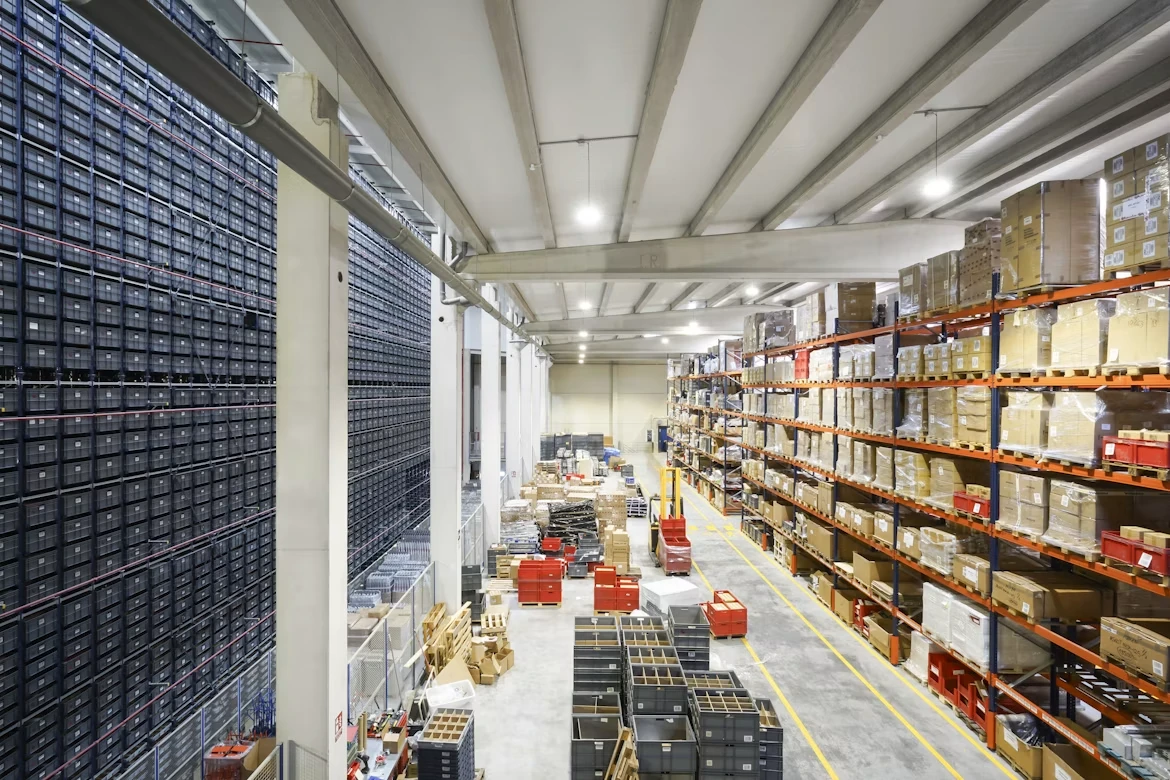
From there, you fix the physical side. Apparel SKUs should be slotted with intention. Similar items that create confusion should not live right next to each other. Fast movers should live closer to pick paths. Slower movers can live further away but still in a logical order.
We see brands get big gains from:
Educational content on basic stock mechanics helps internal teams understand why this matters. A simple primer on inventory vs stock or stock control gives planners and operators a shared language. That shared language is what turns “we are always out of mediums” into “this variant is under-forecasted and needs a higher safety stock threshold.”
Once inventory data becomes reliable, everything else gets easier. Forecasting starts making sense. Replenishment becomes proactive instead of reactive. Your ecommerce experience reflects reality instead of wishful thinking.
Returns are a cost of doing business in apparel, but the scale has gotten intense. NRF research indicates retailers expect nearly 20 percent of online sales to be returned, a massive drag on margin and labor. Apparel brands sit at the high end of that range thanks to sizing, fit, and subjective preference.
Bracketing drives a large chunk of that volume. A shopper orders the same item in three sizes, keeps one, and sends two back. If your policies are generous, that behavior shows up often. Meanwhile, any inconsistency in your size charts or product descriptions generates even more preventable returns.
Returns are not just an accounting issue. They are a warehouse problem. Every return requires intake, inspection, possible steaming or cleaning, repackaging, and restocking. If you do not have a defined reverse logistics process, returned apparel piles up in gaylords or racks labeled “to be checked later.” That “later” becomes weeks. During that time, styles go out of season, and your margin evaporates.
Environmental pressure is rising here too. The fashion and textile sector already plays a visible role in global waste and emissions, which makes uncontrolled returns even harder to justify. Customers notice when brands take returns seriously and route products back into circulation quickly and responsibly.
Fixing apparel returns starts long before a customer drops a package at the carrier. Clear size charts, detailed material descriptions, honest fit notes, and high quality imagery reduce the number of “this is not what I expected” returns in the first place.
On the operations side, you need a structured reverse logistics flow. In supply chain terms, reverse logistics is the controlled movement of goods from the customer back to the seller so value can be recovered instead of lost. That “value” in apparel is usually resale at full or near full price, but it only happens if you process items quickly.
The most effective setups:
When returns arrive, they should follow a playbook, not improvisation. Short, repeatable workflows keep items moving. That reduces dead stock and keeps your inventory picture clean.
Content around delivery exception handling and last mile delivery is helpful here too. Many “returns” start as delivery friction. Managing those edges well lowers avoidable reverse flows and keeps more orders on track.
Apparel is intensely seasonal. Back-to-school, holiday, festival season, wedding season, temperature swings, even viral moments can create sudden spikes. The result is a warehouse that is calm one month and flooded the next.
Without planning, peak volume exposes every weakness in your process. Bins are overstuffed. Staff borrow locations for overflow. New seasonal SKUs arrive before old seasonal SKUs are fully cleared. Orders take longer to pick because the layout no longer lines up with demand patterns.
Labor becomes another constraint. It is hard to hire and train people fast enough to handle a temporary spike. Temporary staff lack product familiarity and muscle memory, which slows things down further and increases errors.
If your promise to customers is fast shipping, peaks can threaten that promise. Orders that could leave same day start slipping into two or three days. When that delay is stacked on top of carrier transit time, the customer’s experience slides from “fast” into “barely acceptable.”
The answer here lives in both process and expectation. Inside the warehouse, you design your picking methods for scale. Single order picks may work at low volume, but as you grow, batch picking, zone picking, or wave-based methods become much more efficient.
Tools like pick lists, scanning, and clear route design reduce the burden on staff. A focused primer on pick lists for ecommerce warehouse fulfillment turns vague instructions like “grab everything in this area” into orderly sequences that staff can execute quickly.
Alongside that, you adjust your promise. You do not need to offer overnight shipping on every single order year round to stay competitive. A thoughtful mix of standard, expedited shipping, and well priced upgrades gives customers control while aligning with what your operation can actually handle.
Planning for peak also means:
If you use a 3PL, you should talk through your promotion calendar early. That gives your partner time to staff and slot for your specific demand curve instead of reacting after orders pile up.
In apparel, close enough is not close enough. A customer who ordered a medium in “charcoal heather” does not want a large in “black,” even if both technically fit and both are dark.
Wrong-item issues usually come from a mix of bin confusion, poor labeling, and rushed picking. When multiple shades of the same color sit side by side or when bags are labeled in tiny type, staff rely on memory or guesswork. Under peak pressure, that guesswork sneaks through.
It is not just visual similarity that causes trouble. Sometimes the warehouse layout itself makes errors more likely. If locations are not refreshed as assortments change, you end up with legacy labels, temporary stickers, and handwritten notes that only longtime staff understand.
Every mispick is expensive. You pay for outbound shipping, the inbound return, the labor to process that return, and the replacement shipment. The customer experience also takes a hit. They may give you another chance, but they are not as forgiving the second time.
To fix this, you make it harder to be wrong.
The first line of defense is labeling. Clear, large, consistent labels on shelves and bins reduce reading mistakes. Location schemas that separate similar SKUs help too. Aisle, bay, and shelf structures should feel intuitive, even to new staff.
The second line is scanning. Every time a picker pulls a product, they scan the location and the item. If the item does not match the order, the system alerts them immediately. The same thing happens at the pack station. That second scan catches mistakes that slip through in the aisle.
You also define a clean flow for fast-moving apparel. Our experience building and optimizing stages of a 3PL fulfillment process shows that structured checkpoints matter. When you embed verification into the process instead of treating it as an optional step, error rates drop and customer satisfaction rises.
On top of that, you make quality a visible metric. Track mispicks by SKU, picker, and time period. Share those numbers internally so teams can see where training or layout changes are needed. Good people want to do good work. Clear feedback loops make that easier.
Most apparel brands do not live on a single channel anymore. You might sell on your own site, in retail stores, on marketplaces, and through wholesale partners. Each channel comes with different expectations around labeling, prep, routing, and timing.
If those channels do not share inventory and order information, your team is forced into manual reconciliation. One spreadsheet for wholesale, another for DTC, separate export files for a marketplace. That fragmentation creates oversells in some places, stale stock in others, and slow response times everywhere.
Channel specific compliance adds another layer. A marketplace may need certain labels or carton configurations. A wholesale partner might have strict routing guide requirements. Your own ecommerce customers care more about speed and package experience than about carton labels, so the work feels disconnected.
The real problem is simple: there is no single brain coordinating all of it.
A modern apparel fulfillment setup treats all inventory as one pool, then applies rules for allocation and prep. Your systems should understand that a given unit of stock can flow to any channel until it is reserved, then route orders intelligently based on margin, priority, and compliance.
Platform-specific integrations with tools like Shopify, BigCommerce, Walmart Marketplace, or WooCommerce allow orders to feed into a central fulfillment layer without manual downloads. A dedicated ecommerce fulfillment guide gives your team the conceptual map for how orders should travel from click to carton.
For marketplaces and retail partners, you create channel-specific SOPs. These outline:
If you work across multiple ecommerce platforms or connectors, focused resources on BigCommerce fulfillment, Walmart fulfillment, or even connector-based setups like Channel Advisor fulfillment help align the tech side with the physical reality in the warehouse.
When omnichannel fulfillment is built this way, customers never see the complexity. They just see a brand that consistently delivers what they ordered, where they want it, when they expect it.
Apparel is tactile. Customers notice how something feels when they open the box. A premium garment stuffed into a wrinkled poly mailer without tissue or folding feels mismatched with the brand story, even if the item itself is high quality.
On the warehouse floor, packaging often gets treated as an afterthought. Staff are told to “get it out the door,” and speed wins over presentation. With no standard operating procedures for folding, bagging, or boxing, every packer invents their own approach. Customers notice that inconsistency.
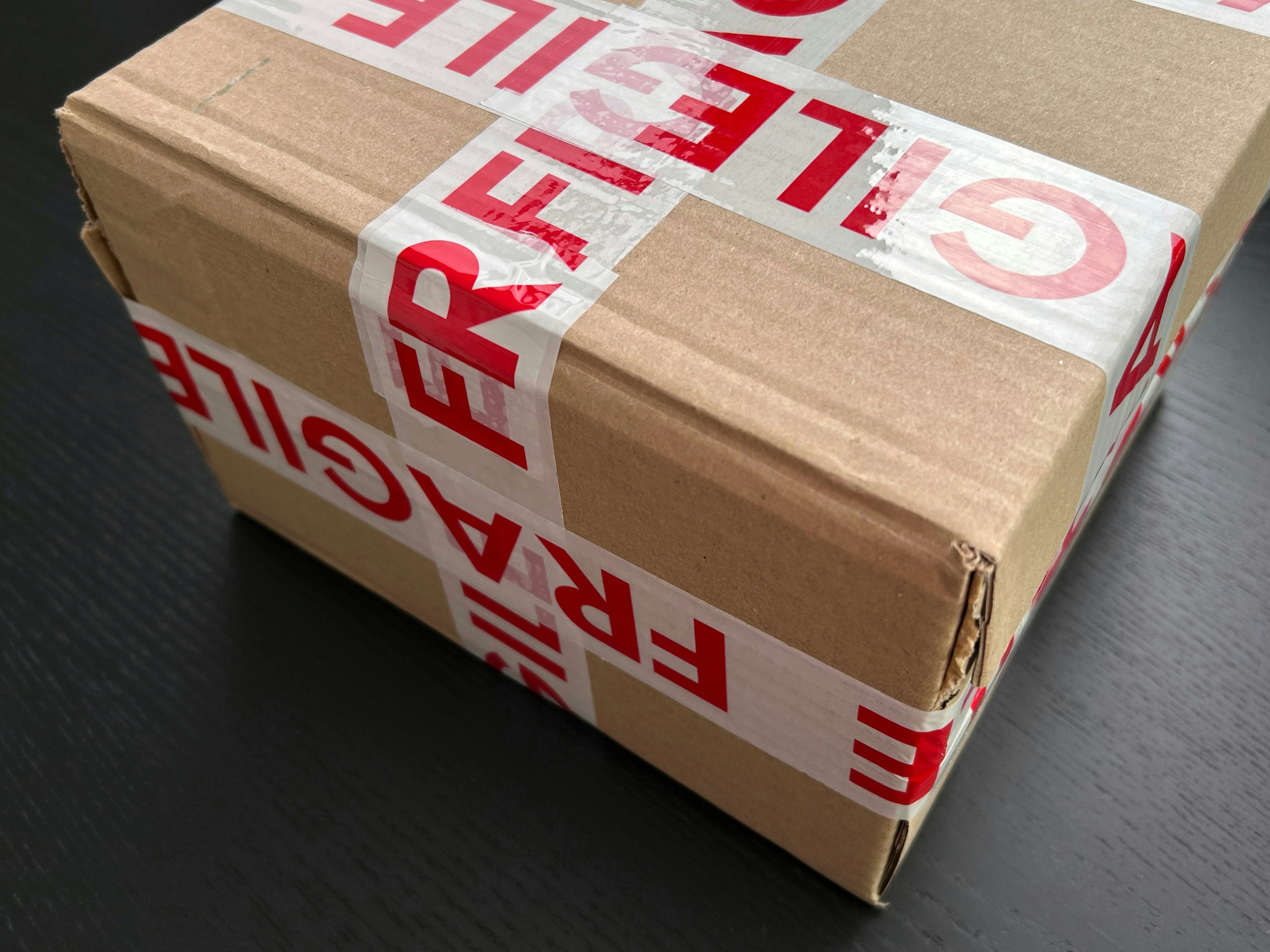
Packaging choices also affect cost and damage rates. Boxes that are too large increase dimensional weight. Mailers that are too small crush garments and create unnecessary wrinkles. If you offer white-glove or gift experiences, careless packaging collides with that promise.
From a sustainability perspective, heavy or non-recyclable materials conflict with the direction many fashion-conscious customers want brands to move. Textile and fashion are already significant contributors to global waste and emissions, so packaging waste stands out even more in this category.
Packaging should feel like an intentional part of your apparel fulfillment process, not an afterthought. That starts with clear guidelines. Which items get boxes, which get mailers, and which get extra protection. How garments are folded, how tissue is used, where brand collateral goes.
You can give different lines different packaging rules. A basics line might use simple, recyclable mailers. A premium or limited line might always ship in a branded box with extra protection. The key is consistency inside each lane so customers know what to expect.
On the logistics side, you make sure packaging choices align with shipping realities. Learning the tradeoffs explored in content on shipping logistics, parcel vs LTL vs FTL shipping, or even USPS vs UPS vs FedEx helps your team pick the right mix.
For your warehouse network, understanding how warehouse shipping interacts with carrier options allows you to keep transit times tight without unnecessary packaging cost. When packaging standards and logistics decisions line up, your apparel brand feels more polished and more reliable to the end customer.
Apparel and sustainability are tightly linked in the public conversation. Reports from the United Nations Environment Programme and other organizations highlight how textiles contribute to emissions, water use, and waste across the entire lifecycle. For many apparel brands, this conversation lands squarely on the fulfillment team’s desk.
Customers ask questions about packaging. They want to know where items are shipped from, how returns are handled, and what happens to unsellable inventory. Internal stakeholders want to advertise sustainability commitments without fully understanding what the warehouse needs to change to make those promises real.
The result is tension. Marketing wants bold claims. Operations wants workable processes. Sustainability goals sit on a slide deck without clear owners.
From our side, sustainability in apparel fulfillment starts with practical steps that reduce waste and unnecessary movement. That includes:
It also involves transparency. A clear explanation of how your logistics work and what you are doing to reduce impact goes further than vague claims.
If you want a deeper dive into how we approach this at a network level, our sustainability page outlines the initiatives and improvements we are building into our warehouses and shipping practices.
Sustainability becomes a natural byproduct of better operations. Fewer errors mean fewer reships. Better inventory management means fewer obsolete styles sitting unsold. Smarter routing means less distance traveled per order. All of those wins improve both your P&L and your environmental footprint.
Apparel demand is influenced by culture, weather, social media, and macroeconomic trends. Fashion-specific reports, such as McKinsey’s State of Fashion analysis, have consistently shown modest but steady growth for the industry with big differences across categories and regions.
It is common for a brand to plan a season based on last year’s numbers, only to see completely different behavior this year. A silhouette that was a niche item suddenly becomes popular. A color family underperforms. A global event changes what customers want to wear to work or social events.
If your forecasting and planning processes cannot adjust quickly, your fulfillment operation ends up holding the bag. Overstocked items eat space, while high-demand SKUs run out too quickly. Safety stock settings feel arbitrary. Promotions fire off based on intuition instead of data.
Your apparel fulfillment operation generates a huge amount of data every day. Pick frequencies, order patterns, return reasons, lead times, and location-level throughput all tell a story about what is working and what is not.
When that data feeds into planning, buying, and marketing decisions, you get more realistic targets and more effective campaigns. Articles that unpack supply chain forecasting, supply chain formulas, and even outsourcing in supply chain management give decision-makers useful frameworks.
On the warehouse side, planners and managers can work together to:
The goal here is not perfection. It is a tighter feedback loop between what customers are doing and what your operation is set up to handle.
Many apparel brands now offer curated bundles, capsule wardrobes, limited drops, or subscription boxes. These programs create stronger relationships with customers, but they also add another layer of complexity to fulfillment.
Kitted orders require specific combinations of items, packed in a particular way, often with unique inserts or messaging. If your warehouse does not have a dedicated process for kitting, staff end up pulling and assembling these orders on the fly, which slows everything down and leads to mistakes.
Subscription programs bring timing into the mix. You have to synchronize billing cycles, inventory availability, and shipping windows without missing a beat. When that coordination fails, customers get boxes late or receive substitutions that do not match what they were promised.
Solving this problem means treating kits and subscriptions as their own operational products. Instead of building each kit from scratch per order, you pre-build common kits and store them as single units in inventory. That dramatically speeds up picking and keeps your line moving.
Our own approach to kitting and fulfillment services is built around this idea. We identify high-volume kits, define packing standards, and build clear instructions so every box matches the brand vision. The same thinking applies to subscriptions, where timing and personalization matter.
For recurring apparel boxes, it also helps to learn from content on subscription box fulfillment. Resources like our subscription box fulfillment guide walk through how to structure cycles, manage cutoffs, and plan inventory so your subscriber experience stays consistent even as your catalog evolves.
When kitting and subscriptions have defined lanes, your standard DTC orders stay efficient instead of getting bogged down by special projects.
Even when apparel brands know what they need operationally, the tech stack often lags behind. You might be running Shopify for your store, a separate tool for returns, another system for inventory, a standalone WMS, and a few marketplace integrations on top. Each one works fine alone, but together they create friction.
Manual exports and imports become normal. Someone on the team becomes “the integration person” by default, even if that was never the job description. When something breaks, orders stop flowing until someone notices and reconnects the pipes.
This kind of fragmentation directly affects fulfillment. Orders appear late in the warehouse. Inventory updates lag on the site. Returns do not post back to the platform. Customers feel it in the form of stockouts, delays, and confusing communication.
The fix here is to reduce the number of manual touchpoints between systems. Your ecommerce store should connect directly to your fulfillment partner. Returns tools should send data back into the same system that manages your outbound flow. Marketplaces should connect through stable, supported integrations.
If you run Shopify, a straightforward shopify fulfillment setup removes an entire layer of manual work. The same goes for other ecosystems. Support for woocommerce fulfillment, or channel-level connections to tools like loop fulfillment, keeps your stack cleaner and less fragile.
On the backend, this means fewer CSVs, fewer one-off scripts, and fewer “just this once” manual fixes. Your team can focus on improving operations instead of constantly repairing pipes.
When we step into an apparel fulfillment partnership, we do not just look at cartons and shelves. We look at the entire flow: how customers shop, what they expect, where your internal team is stretched, and which operational problems keep reappearing.
Our role is to take the pressure off.
We start by making inventory visible and accurate. That includes variant-specific tracking, structured slotting, and clear labeling so your warehouse stops feeling like a guessing game. The same foundation supports wholesale, DTC, and marketplaces, so you are not juggling three different versions of stock for three different channels.
Speed and accuracy sit next. Our pick and pack processes are built around apparel. We design routes, pack stations, and checks specifically to avoid wrong size or color shipments. We incorporate learnings from our work in fulfillment centers vs warehouses and types of warehouses so your products move through the right type of node with the right kind of care.
Returns are treated as a first-class workflow, not an afterthought. We build custom reverse logistics flows for apparel that emphasize fast intake, clear disposition, and quick restocking. That keeps your product in circulation and your customers feeling taken care of, even when the first attempt was not the perfect fit.
For brands running complex programs, we support curated sets, kits, and recurring apparel shipments through well defined kitting processes and subscription workflows. The same infrastructure that ships a single t-shirt efficiently can also handle multi-piece outfits and styled boxes with a higher level of customization.
Because we operate a network of facilities, we also help you place inventory closer to customers, shortening delivery windows without requiring you to build your own national footprint. Our network approach to warehouse shipping keeps transit times tight while giving you flexibility as your demand shifts geographically.
Most important, we treat apparel fulfillment as a partnership. We share data, identify patterns, and help you apply them. That might mean tweaking your minimum order quantities based on minimum order quantity logic, adjusting safety stock based on ending inventory formula, or refining your shipping promises based on what your customers actually choose.
The clothing itself is where your brand shines. Design, fabric, fit, story, community. Fulfillment should support that, quietly, reliably, every day. When it does, your team gets to spend more time working on product and growth instead of chasing down missing mediums or sorting out return piles.
We built our apparel fulfillment services for brands that care about the details: the way a folded garment looks when the box opens, the accuracy of sizes, the speed of replenishment, the sanity of the ops team during peak season.
If you are ready to stop treating apparel fulfillment like a constant emergency and start treating it like a competitive advantage, we would love to talk.
Get started with ShipBots today and see what your apparel fulfillment looks like when the back end finally matches the vision you have for your brand.





.svg)







.jpg)
.jpg)







.jpg)

















.jpg)