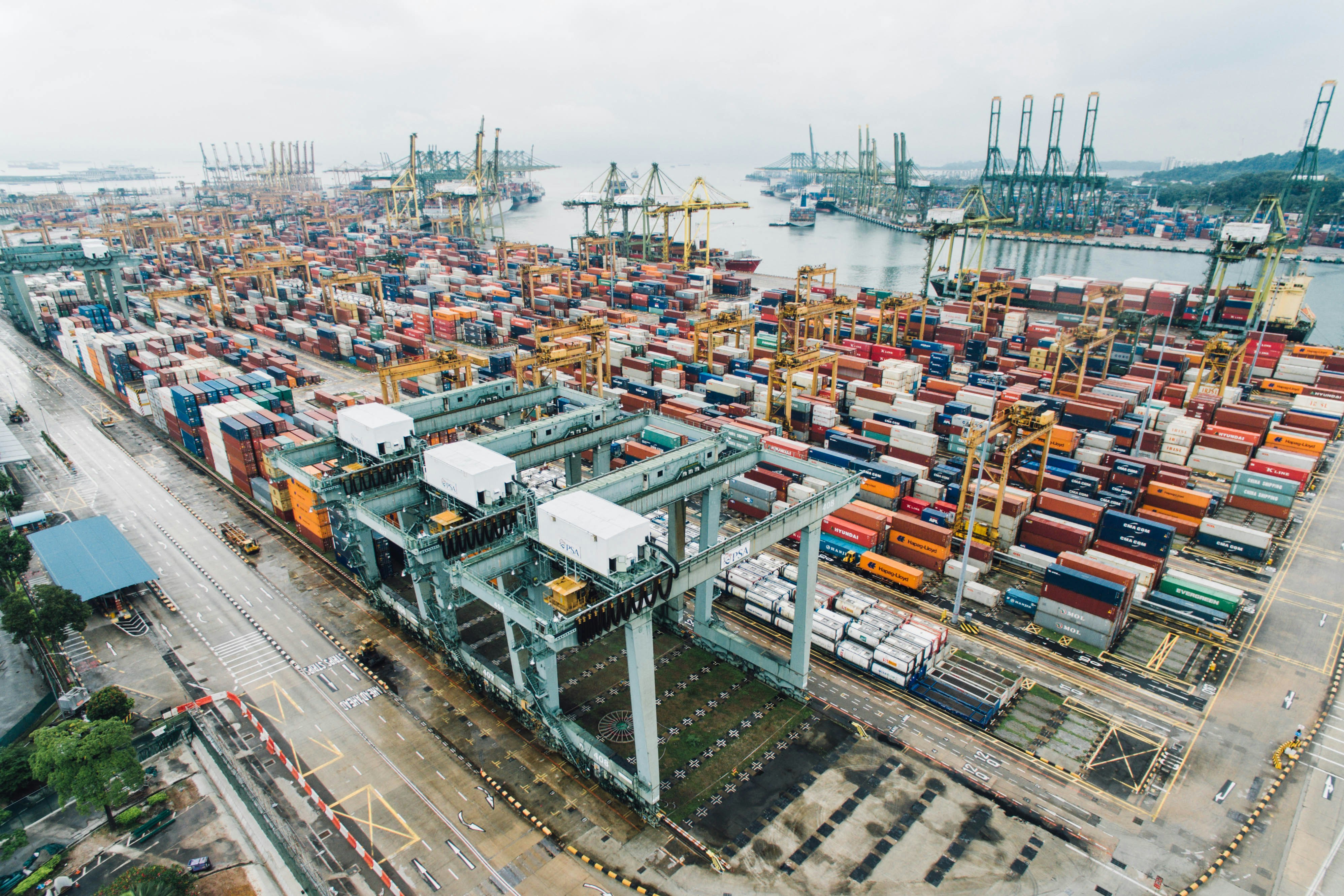
In the next few minutes, you and I are going to drag wholesale ecommerce into the light, shake out the dust, and talk about what actually works when you’re selling in bulk online. If you stick with me, you’ll walk away knowing exactly how wholesale ecommerce functions, why brands are shifting toward it, and how to build a wholesale operation that doesn’t collapse the first time a retailer places a 500-unit order on a Monday morning.
And since wholesale ecommerce lives or dies on the strength of its operations, you’ll see references early on to resources like our own ecommerce warehousing, pick and pack fulfillment center, and shopify fulfillment because these are the tools real businesses lean on to keep wholesale orders from becoming a logistical horror movie. Sprinkle in kitting and fulfillment services, fashion fulfillment, and subscription box fulfillment and the picture gets clearer fast.
Wholesale ecommerce is having a moment. And honestly, it’s overdue.
So let’s jump in.
Wholesale ecommerce is the online process of selling products in bulk to other businesses at discounted wholesale prices. It scales faster than retail, it stabilizes revenue through long-term B2B buyers, and it works best when paired with strong fulfillment systems like warehouse shipping and automated 3PL operations. If you set your product line, pricing rules, permits, and logistics foundation correctly, you can turn wholesale ecommerce into a predictable and high-margin growth channel.
Wholesale ecommerce is the online version of selling products in bulk quantities at discounted rates to another business instead of individual consumers. Think of it as the B2B sibling of retail ecommerce, except the orders are bigger, the negotiations matter more, and the margins stop feeling like a sad game of financial limbo.
If you’ve ever wanted to sell cases instead of single units, or if you’d prefer predictable recurring purchase orders from retailers instead of chasing fickle DTC customers, wholesale ecommerce is your path.
When someone talks about wholesale ecommerce today, they’re usually referring to platforms where businesses connect digitally to:
This isn’t limited to giant marketplaces anymore. Yes, suppliers still use places like Alibaba or industry-specific platforms, but brands are increasingly turning to their own ecommerce sites with wholesale portals so they can control pricing, branding, and logistics on their own terms.
And if you’ve ever wondered how some brands scale so quietly, so consistently, and without doing TikTok dances every week, here’s your answer.
Let’s get something out of the way. Wholesale ecommerce isn’t trendy. It isn’t flashy. You don’t see people bragging on LinkedIn about hitting “10,000 wholesale cart abandonments this week”. Wholesale is the calm, reliable workhorse of product-based businesses, and it’s growing fast for a few reasons:
Wholesale ecommerce is basically the adult table of online selling: nicer chairs, fewer tantrums.
Now let’s talk benefits, and not the generic “growth opportunity” fluff. I mean actual, practical upsides you’ll notice the moment your wholesale operation gets rolling.
Scaling retail means constantly adding more customers. Scaling wholesale means landing a handful of retailers who reorder consistently. That’s it. Each B2B client pushes volume up without forcing you to field hundreds of individual DTC complaints like “My package smells weird”.
Wholesale ecommerce is built for fast, stable growth.
Wholesale pricing gives you easier cost control because you’re not fighting for single-unit margins. You’re not absorbing the churn of returns. You’re not spending half your marketing budget convincing customers to “Shop Now” for the 14th time.
You buy cheaper, you sell cheaper, and somehow the margins still look better. Magic.
Retail orders: 1–3 units per cart.
Wholesale orders: 100–10,000 units in a single PO.
It’s the ecommerce equivalent of skipping the line.
Modern wholesale ecosystems plug into real systems, not spreadsheets named “Final-Final-Version-2”. Between automated purchasing, inventory syncing, and wholesale portals, most of the headache-inducing work gets handled behind the scenes.
And if you’re using a fulfillment partner with real automation, the process only gets smoother.
Wholesale ecommerce thrives on recurring orders. When someone buys cases instead of units, they’re planning for the future. Those future orders become your baseline revenue, which makes everything easier, from forecasting to cash flow.
If you’ve ever wished ecommerce felt less like gambling, wholesale is your answer.
Welcome to the part where the theory turns into actual steps. If you follow these in order, you’ll build a wholesale operation that won’t buckle the moment your first retailer says “We’ll take 200 units, NET30”.
Let's walk through it.
Wholesale ecommerce doesn’t reward guesswork. The market is crowded, and the brands that win are the ones who study demand patterns, supplier competition, pricing bands, and distribution gaps.
Start with:
And if you want to understand how inventory cycles affect wholesale logistics, check out helpful content like supply chain formulas or shipping fundamentals like parcel vs LTL vs FTL shipping.
Wholesale ecommerce rewards focus. You don’t want to become the supplier who sells yoga mats, LED dog collars, artisanal soap, and tactical flashlights. Retailers need consistency.
Pick a niche where:
Once you commit to a product category, go deeper. Look at B2B buyer expectations, not consumer trends.
If you ever get lost, think about a single scenario:
What product decisions would make a retailer reorder without hesitation?
That’s your real compass.
This is where wholesale ecommerce becomes either smooth or chaotic.
First, your fulfillment strategy. Wholesale orders typically require:
If you're building your catalog across platforms, tutorials like the Shopify fulfillment guide or comparisons like fulfillment centers vs warehouses help keep things clean.
Wholesale pricing isn’t just “retail minus a cute discount”. You need:
You’re balancing volume with margin. Retailers understand this game. They expect structure.
Wholesale ecommerce requires a little paperwork. You’ll need:
If you sell consumables, supplements, or regulated categories, read up on industry safety guidelines like nutraceutical fulfillment.
Paperwork isn’t thrilling, but it keeps your business out of trouble.
And yes, you should file it before you send your first PO.
Wholesale ecommerce is a team sport. You need:
If your brand offers apparel or accessories, strong logistics support like fashion fulfillment becomes essential. If you’re bundling items or prepping products for wholesalers, tools like kitting and assembly services help keep bulk orders clean and retailer-ready.
Distribution pain always comes back to fulfillment. Don’t learn that lesson the hard way.
Using marketplaces alone won’t cut it. Retailers want:
If you’re expanding beyond Shopify, systems like BigCommerce fulfillment, Magento fulfillment, or WooCommerce fulfillment support your multichannel buildout.
Wholesale ecommerce becomes infinitely simpler when your site handles the heavy lifting instead of you refreshing a spreadsheet at 1 AM.
Let’s break down the wholesale ecosystems you’ll run into.
The classic model.
Retailers buy cases or pallets at wholesale prices and resell them.
This is the most stable revenue source. Retailers reorder like clockwork if the product performs.
You list products on:
Marketplace wholesale works well when you need exposure, but beware of low margins and high competition.
Half your revenue comes from consumers, half from retailers.
This is the model used by modern multichannel ecommerce brands.
It’s flexible and reduces risk.
If DTC slumps, wholesale cushions you. If wholesale slows, DTC supports you.
Retailers sell your items online.
When someone buys, you ship directly to their customer.
This gives retailers a broader catalog without storing inventory.
Great for them, slightly chaotic for you unless your 3PL is dialed in.
Wholesale pricing is one part math, one part strategy, one part babysitting retailers who want 70 percent margins “because our last supplier did it”.
Let’s simplify.
To keep your margins intact, you can lean on warehouse efficiencies, like accurate picking through pick lists or advanced logistics strategies in shipping logistics.
Remember: retailers value consistency. Deliver quality at predictable prices and you’ll build long-term loyalty.
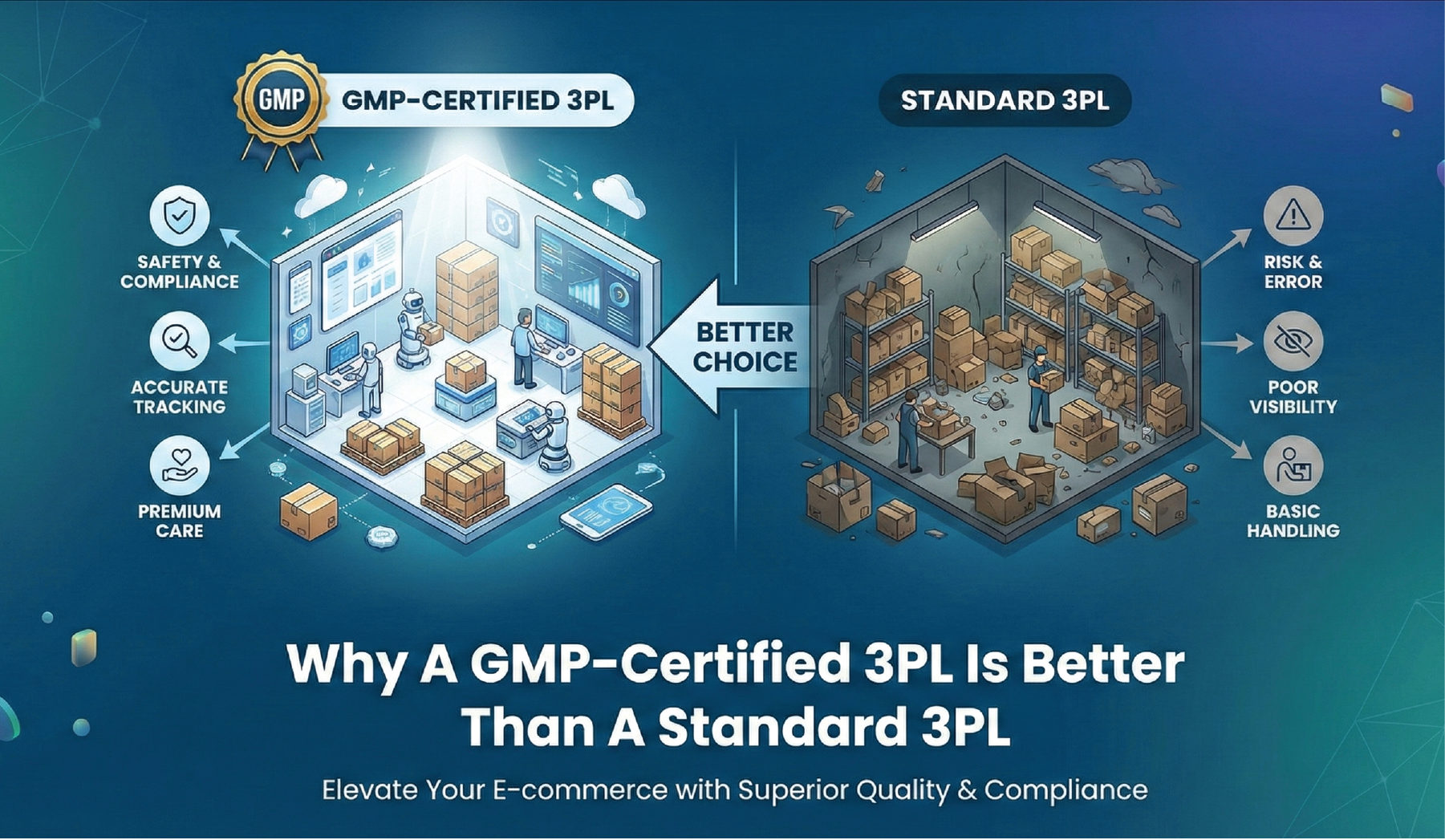
Here’s the part no one says out loud: wholesale ecommerce falls apart the moment your operations wobble. That’s why most brands eventually turn to professional 3PL support.
ShipBots handles wholesale ecommerce like this:
Our dashboard pulls data from your purchase orders, organizes everything, and streamlines the entire workflow so you’re not manually emailing retailers PDFs at midnight.
Wholesale ecommerce scales fast when your fulfillment doesn’t choke under pressure.
Wholesale ecommerce is built for businesses that want predictable volume, fewer returns, higher margins, and stable retailer relationships. Retail will always matter, but wholesale gives you the kind of revenue foundation DTC sellers dream about.
If you build your product line, pricing structure, logistics systems, and wholesale portal correctly, wholesale ecommerce becomes a reliable engine for long-term growth.
And if you want a fulfillment team that makes that engine run smoother, we’re here.
Set up your wholesale fulfillment with ShipBots and get a partner who actually understands B2B logistics.




.svg)




.jpg)
.jpg)





.jpg)













.jpg)