A Black Friday checklist for an ecommerce brand is mostly about five things. You need stock you can ship, a store that stays up under traffic, and offers that still make money after shipping. You also need delivery dates you can keep and a warehouse that knows what's coming. Black Friday is November 27 this year and Cyber Monday is November 30, which puts us about four weeks out.
Four weeks goes faster than it sounds. Supplier lead times, carrier surcharges, and Thanksgiving week staffing all eat into it, and a lot of what goes wrong during Cyber Week was set in motion back in October.
We've written separately about holiday inventory management and this year's peak season shipping surcharges, so we won't repeat all of that here. Think of this as the list we'd hand a brand that signed on with us in late October and asked what to worry about first. Some of it is ecommerce fulfillment. The rest is marketing and site work, and all of it is easier to sort out now than on the Saturday after Thanksgiving.
For a sense of scale, Adobe projects $47.5 billion in U.S. online spending over the five days from Thanksgiving through Cyber Monday. Cyber Monday alone is expected to top $15 billion.
If your supplier needs six weeks, an order you place today shows up around the second week of December. That's too late for Black Friday and tight for Christmas.
So this late in the year, the more useful question is what happens when your bestseller runs out on Saturday afternoon. Do you pause the ads pointing at it? Swap a different product into the hero spot? Take preorders? Pick one now, while you can still think straight.
For anything you can still restock, start from last year. A quick SKU analysis shows which products did the heavy lifting last Cyber Week and which ones mostly took up shelf space. If a product sold 800 units last year and the business is up about 20%, we'd plan on roughly 960 and add a buffer. Running short costs more than carrying a few extra cases into January.
Bundles are a good way to move slower stock, as long as they're built before the rush. A gift set that's already assembled ships like any other SKU. One that gets put together order by order on Black Friday slows down every pick line around it. If you don't have the hands in house, outside kitting and assembly services can knock it out in early November.
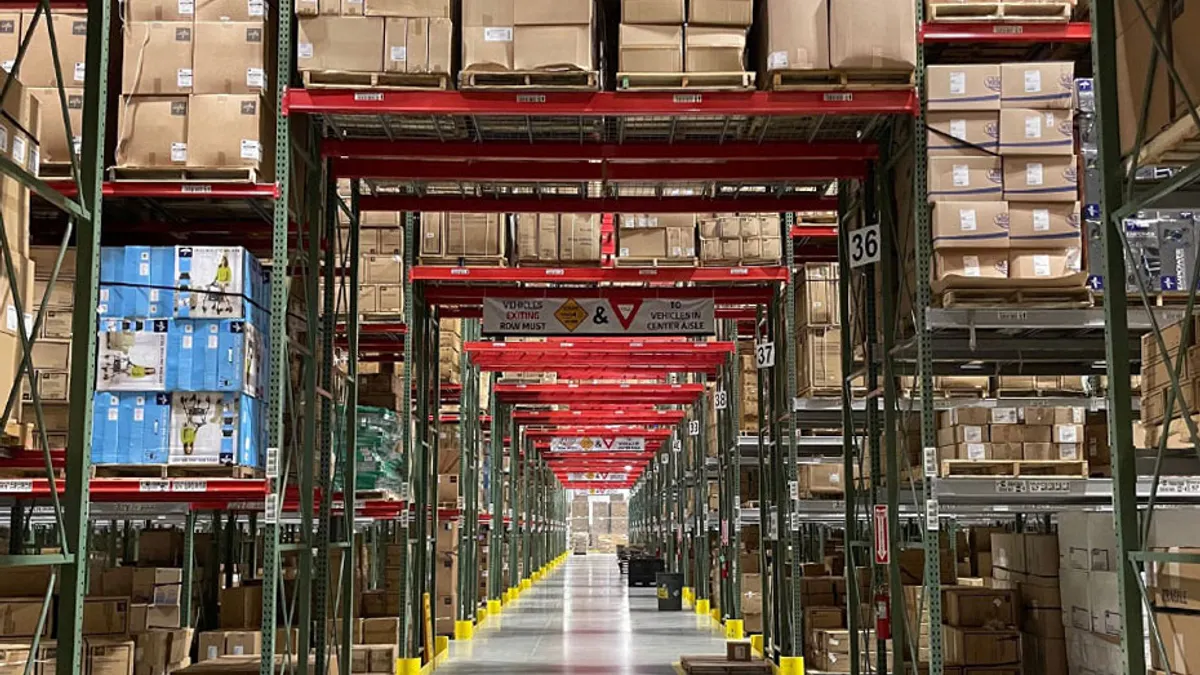
Then get everything into the building. Inventory sitting in a trailer at the yard can't be sold. Even a fast warehouse needs time for the dock to stock process, and every receiving dock in the country is busy in November, so aim for the first week of the month.

Adobe expects 63% of online spending on Thanksgiving to happen on phones. So before anything else, grab your phone, tap one of your own ads, and buy something. Most brands find at least one annoying thing, like a popup that won't close, a discount field buried under the fold, or a page that takes four seconds to load on cell data.
Speed problems usually trace back to giant images and apps nobody has used since spring. Clean those out. Then walk through your top 20 product pages and look for wrong prices, old photos, and sizes that are listed but sold out. It's tedious, and it's exactly the kind of thing that turns into a support ticket on Black Friday.
If you sell on more than one channel, check that inventory is syncing correctly. Without solid multichannel inventory management, your last unit can sell on Shopify and Amazon at the same time, and somebody gets a cancellation email.
Two more things. Put estimated delivery dates on product and cart pages, because gift shoppers want to know when it arrives. And pick a date about a week before Thanksgiving to stop changing the site. No new apps, theme edits, or integrations until December. If you can, ask your developer or platform to load test checkout before that freeze, including discount codes and payment processing.
Adobe expects discounts to reach about 30% off during Cyber Week, so shoppers will be comparing. That makes it tempting to go deep on everything. Do the math on a single order first.
Take a $60 product on sale for $42. Card fees run about $1.50, picking, packing, and the box add roughly $4, and the label is around $9 now that peak surcharges are on. That leaves about $27.50 to cover the product, before you've paid for the ad that sold it.
That doesn't mean skip the discount. It means put the deep discounts on products with room for them, and use a free shipping threshold instead of free shipping on everything. Setting the threshold a little above your average order value usually nudges people into adding one more item.
Then send your promo calendar to whoever runs your warehouse. A flash sale they find out about from the order queue is one of the most common reasons brands fall a day behind.
This is the cheapest part of Black Friday and the easiest to put off. Write the emails now while things are quiet, and segment them. Your best customers, new subscribers, and someone who last ordered in 2024 shouldn't all get the same message. Keep SMS for the urgent stuff, like early access opening or the last day to order for Christmas.
It's also worth rereading your order confirmation and shipping emails. They get opened far more than any promo, and a broken tracking link in late November turns into a lot of "where's my order" tickets.
If you work with creators, ship their product this week. A post that goes up after Cyber Monday mostly helps you in January.
And if you sell on TikTok Shop, plan for a video to take off. Those orders come with strict ship time rules, and a good video can triple your order count overnight. Getting TikTok Shop fulfillment sorted ahead of time is a lot easier than explaining late shipment penalties afterward.
Carrier holiday pricing has already started. UPS adds $0.75 to residential ground packages from November 22 to December 26, and FedEx charges up to $0.80 from November 23 to December 27. USPS is running temporary holiday prices from October 4 through January 17, 2027.
Seventy five cents doesn't sound like much until you multiply it by 4,000 orders. This is when rate shopping earns its keep. The cheapest of USPS vs UPS vs FedEx depends on the zone and the weight, so it can change from one order to the next. Box size matters too. Oversize and additional handling fees go up during peak, and a box an inch too big for the product can cost more than you'd guess.
For Christmas delivery, USPS recommends shipping Ground Advantage by December 17. UPS and FedEx list December 22 as the last day for two day service and December 23 for overnight. We'd set your store's cutoff a day or two earlier than any of those, then offer expedited shipping once the ground deadlines pass.

On the support side, most Cyber Week tickets ask the same thing. Write a saved reply for order status questions and make sure your team can see tracking without asking anyone. You'll also get wrong addresses, weather delays, and packages marked delivered that aren't on the porch. Deciding ahead of time how you'll handle each kind of delivery exception, whether that's reship, refund, or wait a day, saves a lot of back and forth on a busy Saturday.
Returns show up in January, but the policy goes up now. A longer return window for gifts makes people more comfortable buying early. Behind the scenes, decide who inspects returned items and what makes something sellable again. Good ecommerce returns management gets that inventory back on the shelf while January demand is still there.
Imagine a creator posts about your product at 9 p.m. on Black Friday. By Saturday morning there are three days' worth of orders in the queue. Whether those go out that afternoon or the following Wednesday comes down to your warehouse, and you'd rather know which before it happens. Here's what we'd ask:
Here's how we answer those at ShipBots. We ship 99.9% of orders the same day, at a 99.999% accuracy rate. Vision AI records every order as it's packed, so if a customer says something was missing, you can watch the video. Receiving runs on a 48 hour dock to stock target. We operate warehouse locations on both coasts and split inventory between them, so each order ships from whichever is faster and cheaper for that address.
Store integrations like Shopify fulfillment sync in real time, so a midnight rush hits the warehouse floor right away. Your account manager sits inside the warehouse and can walk over to your shelves. You can reach them by phone, email, Slack, or text, weekends included. Payam Ahdoot started ShipBots after years of selling online himself, beginning in 2010, and that last part was the thing he most wished he'd had.
If your current setup is already struggling in October, write down what's going wrong. Get through the season, then fix it in January.

This week and next. Lock in your offers and check the margin on each one. Confirm when inbound inventory lands. Build bundles, ship creator boxes, and finalize ad creative. Give each part of this checklist to one person, because shared ownership tends to mean nobody's watching it.
Mid November. Load test the site, schedule email and SMS, and publish your shipping cutoffs and holiday return policy. Brief your support team.
The week of November 20. Freeze site changes. Count inventory against your forecast. Open early access to VIPs. Confirm staffing and cutoffs with your warehouse, and share one sheet with contacts for your platform, payment processor, ad accounts, and 3PL.
Thanksgiving through Cyber Monday. Check stock, site speed, and conversion every few hours. Pull ads off anything that sells out. Keep an eye on the order queue, and schedule actual breaks for your team. People make more mistakes on day four.
After Cyber Monday. Keep reminding customers about shipping cutoffs into mid December. Process returns quickly. Then sit down with the numbers while you still remember what happened. The supply chain KPIs worth reviewing are order cycle time, accuracy, on time delivery, cost per order, and return rate. A great sales weekend with slow shipping tends to show up later as refunds and one star reviews.

Here's the whole Black Friday checklist in one place. Copy it into whatever your team uses to track work.
Nothing on this Black Friday checklist is complicated. Most of it just has to happen before Thanksgiving week instead of during it. Get inventory in early, test your store, price your offers with real costs in mind, and make sure your warehouse knows what's coming.
If you're thinking about your fulfillment setup for next year, ShipBots is a no contract 3PL with straightforward, volume based fulfillment center pricing. Tell us roughly how many orders you ship and you'll get an instant fulfillment quote.
Friday, November 27. Cyber Monday is November 30, and the five days from Thanksgiving through Cyber Monday are usually called Cyber Week.
Inventory, your website, offers and pricing, email and SMS, social, shipping and returns, customer support, and your fulfillment plan. The shipping and fulfillment items are the ones brands most often leave until it's too late.
Inventory planning should start in late summer. Offers, inbound shipments, and fulfillment plans should be settled about four weeks out, and site testing and email scheduling about two weeks out.
Yes. UPS and FedEx add residential surcharges of up to $0.75 and $0.80 per package from late November through late December, and USPS raised prices for the season starting October 4.
USPS recommends December 17 for Ground Advantage. UPS and FedEx list December 22 for two day service and December 23 for overnight. We'd set your store's cutoff a day or two before those.
For most brands, yes. Moving warehouses four weeks before your busiest week adds a lot of risk. Make a list of what isn't working and plan the move for January, when switching fulfillment companies is much less disruptive.
Yes. There are no volume minimums and no long term contract, so you can scale up for Cyber Week and back down afterward. Let your account manager know what's coming and we'll staff for it.