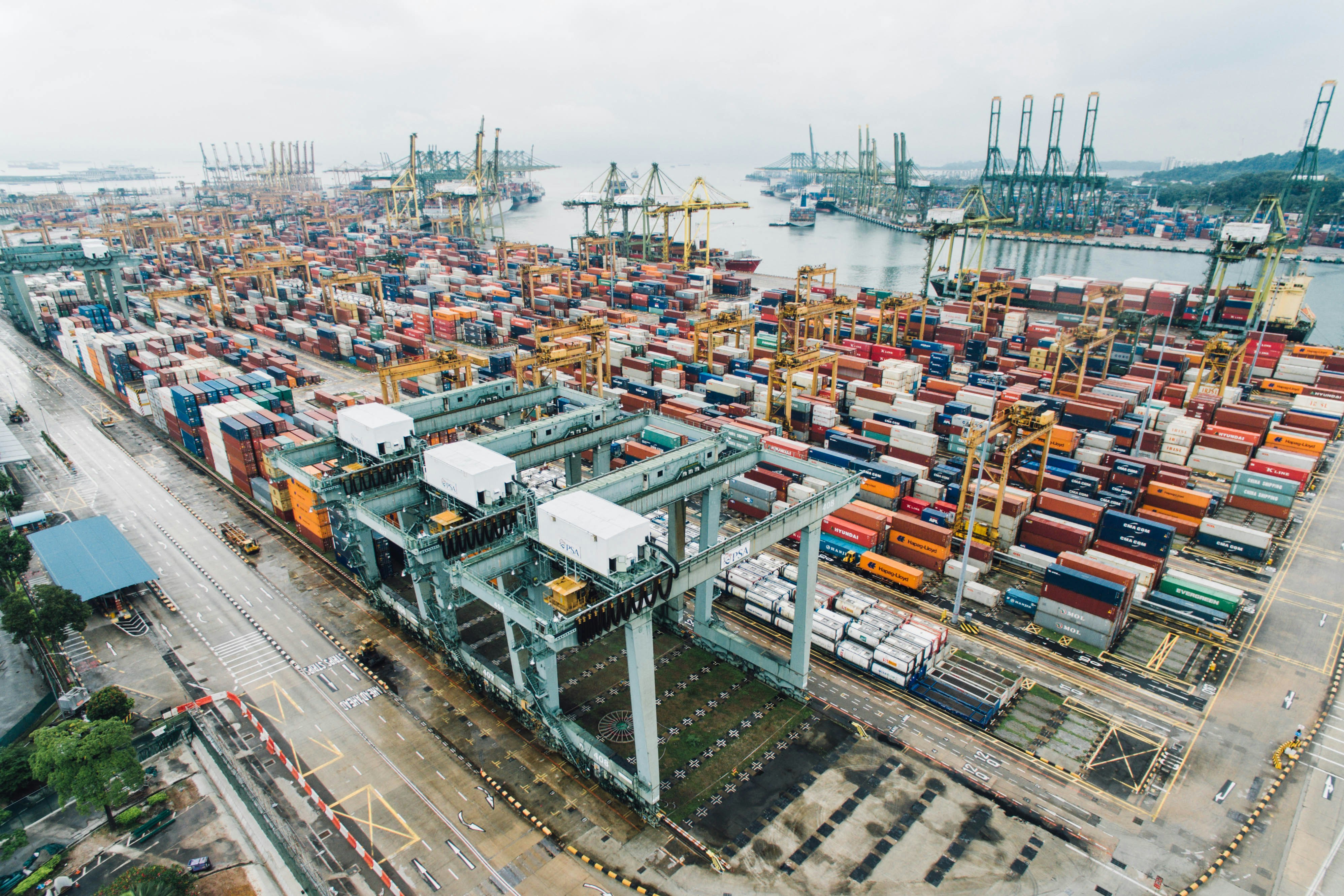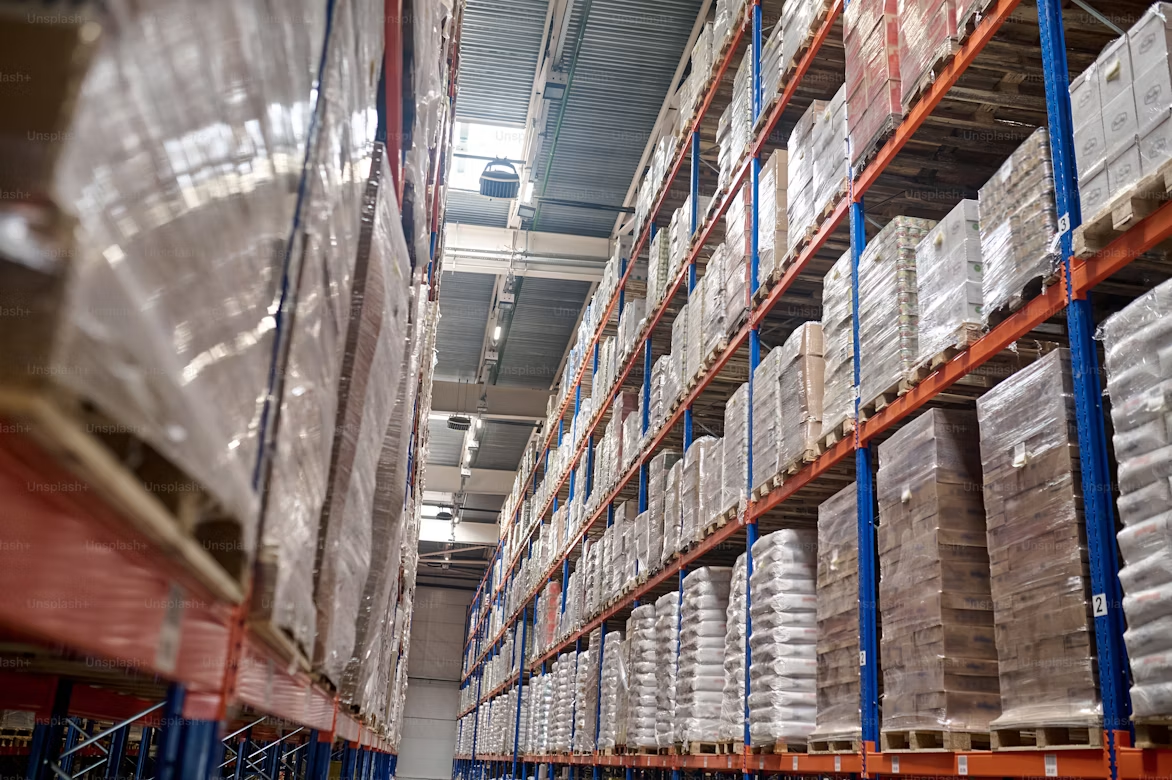
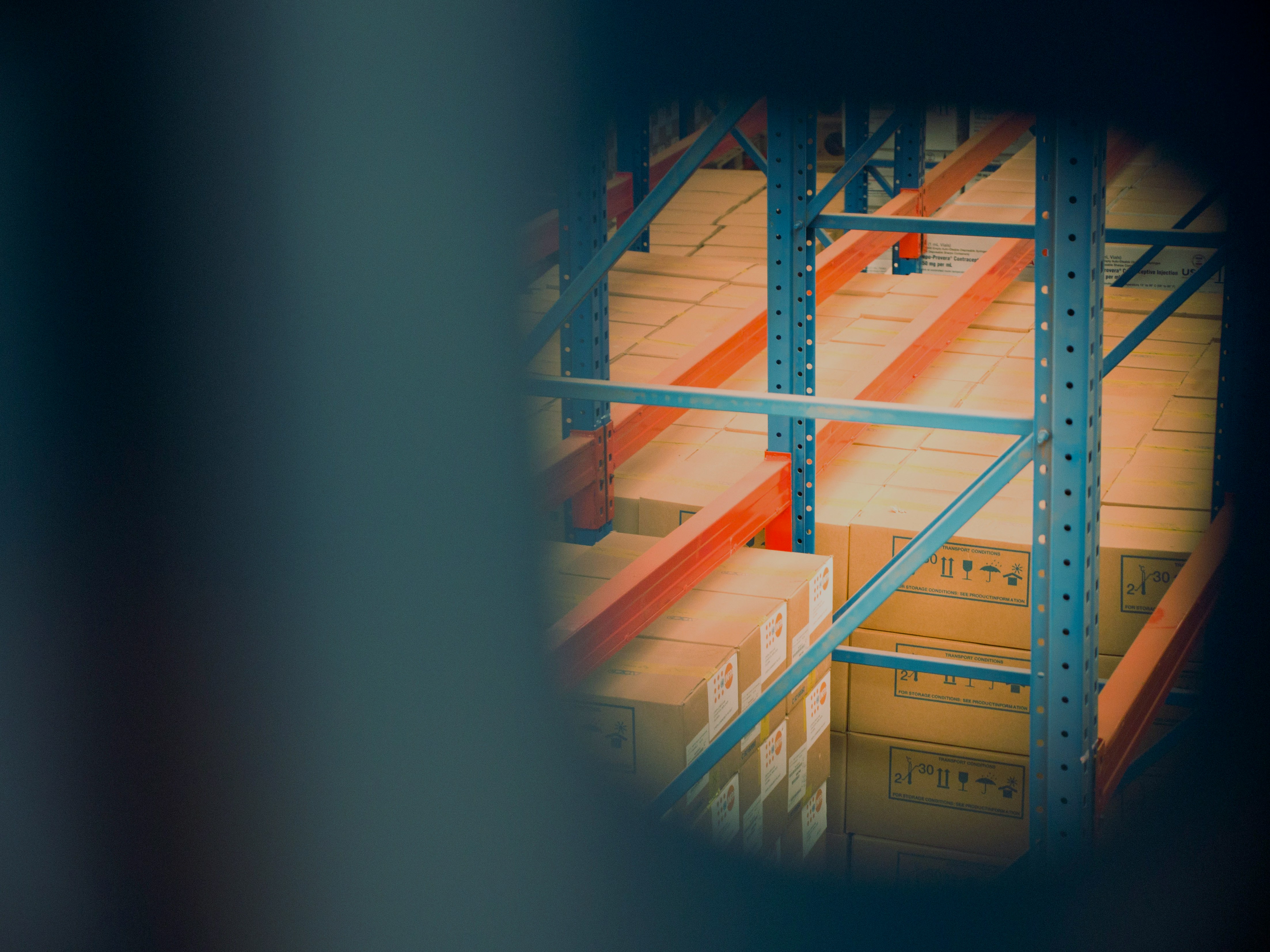
An ecommerce warehouse is the physical space where an online brand's inventory lives until a customer hits "buy." It's also the operation that turns that click into a packed box headed for the carrier. Stock comes in and gets shelved and tracked. Then it gets picked, packed, and shipped, all backed by software that keeps your counts honest across every channel you sell on. For a growing DTC brand, it decides whether orders fly out the door or inventory wanders around a back room like a lost tourist.
If you've outgrown the garage or a rented storage unit, you're really asking a bigger question. Do you keep warehousing in-house, or hand it to an ecommerce fulfillment warehouse built for the job? Most brands eventually outsource it to a third-party logistics (3PL) provider. That frees them to spend their hours on product and marketing instead of packing tape. The fulfillment center vs. warehouse question trips up a lot of founders along the way, so we'll settle that distinction early.
This guide covers what an ecommerce warehouse actually does. We'll look at how it differs from a fulfillment center vs. warehouse, the main warehouse types, the signs it's time to outsource, and what separates a warehouse that scales your brand from one that becomes the bottleneck. We got you.
At its simplest, an ecommerce warehouse is a building purpose-built to hold and move online inventory. The modern version does a lot more than hold boxes, though. It counts your stock in real time. It maps every unit to a specific bin location. And it routes orders out the moment they land, usually the same day.
That speed matters because ecommerce buyers expect it. Online sales now make up about 16.9% of all U.S. retail, according to the U.S. Census Bureau. That's roughly one in every six retail dollars, and the share has climbed steadily for two decades. When a shopper can get two-day delivery from a marketplace, your warehouse quietly decides whether you meet that bar or lose the cart.
A well-run ecommerce warehouse handles five core jobs:
Tie those together with inventory software and you've moved from "storage" to fulfillment.
People use the terms interchangeably, but they describe different jobs.
A warehouse is primarily about storage. It holds goods in bulk, often for longer stretches. It tends to support B2B, wholesale, and long-term inventory strategies, and pickups are less frequent and usually move freight.
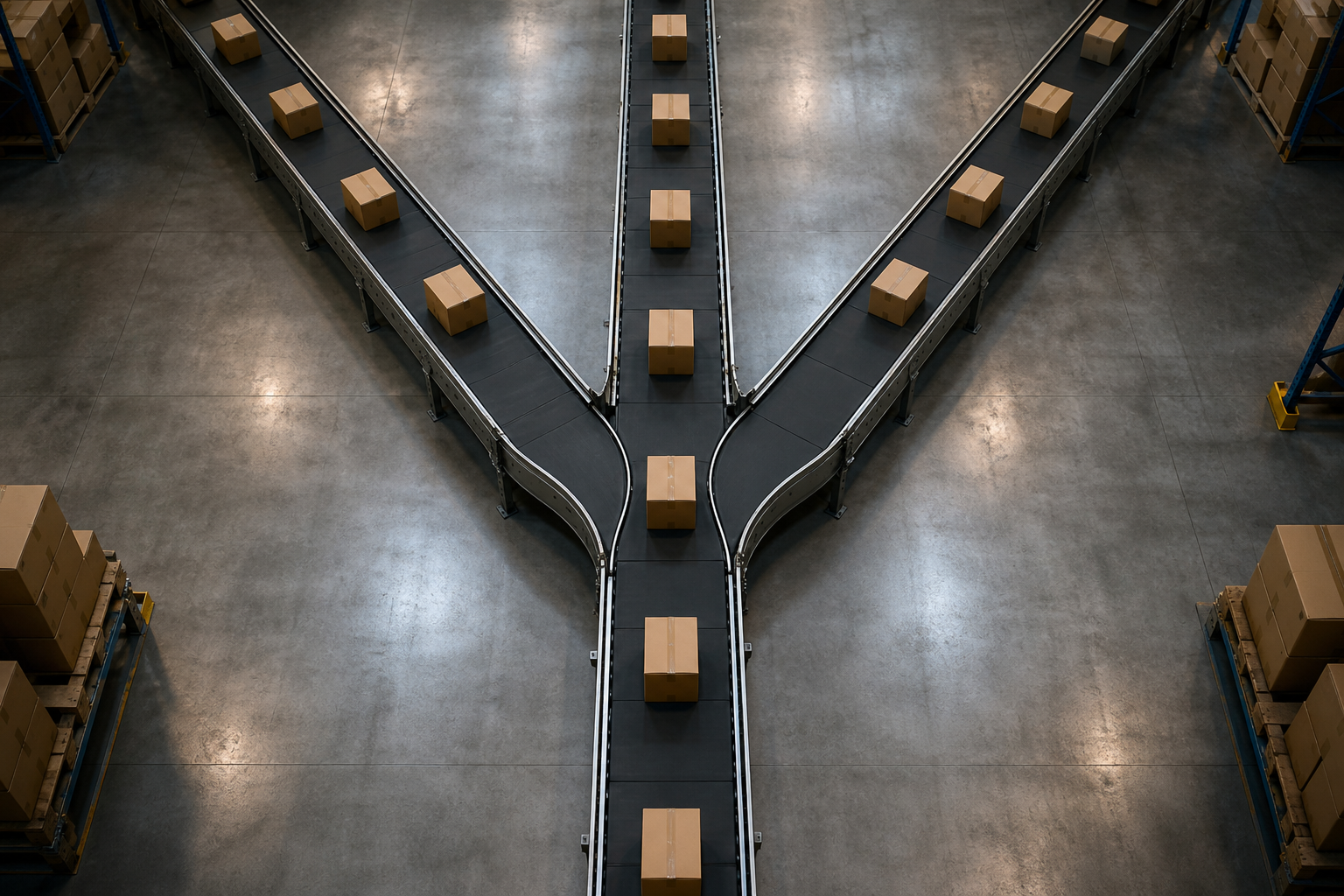
A fulfillment center is built for outbound speed. It's a working hub that takes in orders in real time and packs individual shipments. It hands daily volume to carriers like USPS, UPS, and FedEx. It also syncs with your store, updates stock on its own, and is engineered around getting one customer's order out the door fast.
In practice, a modern ecommerce operation needs both functions. You want storage plus fast outbound, which is why the line between them keeps blurring. There are also several types of warehouses (public, private, bonded, distribution, and 3PL facilities), each suited to a different stage of growth.
Here's the workflow, start to finish. It's the part most "what is a warehouse" articles skip
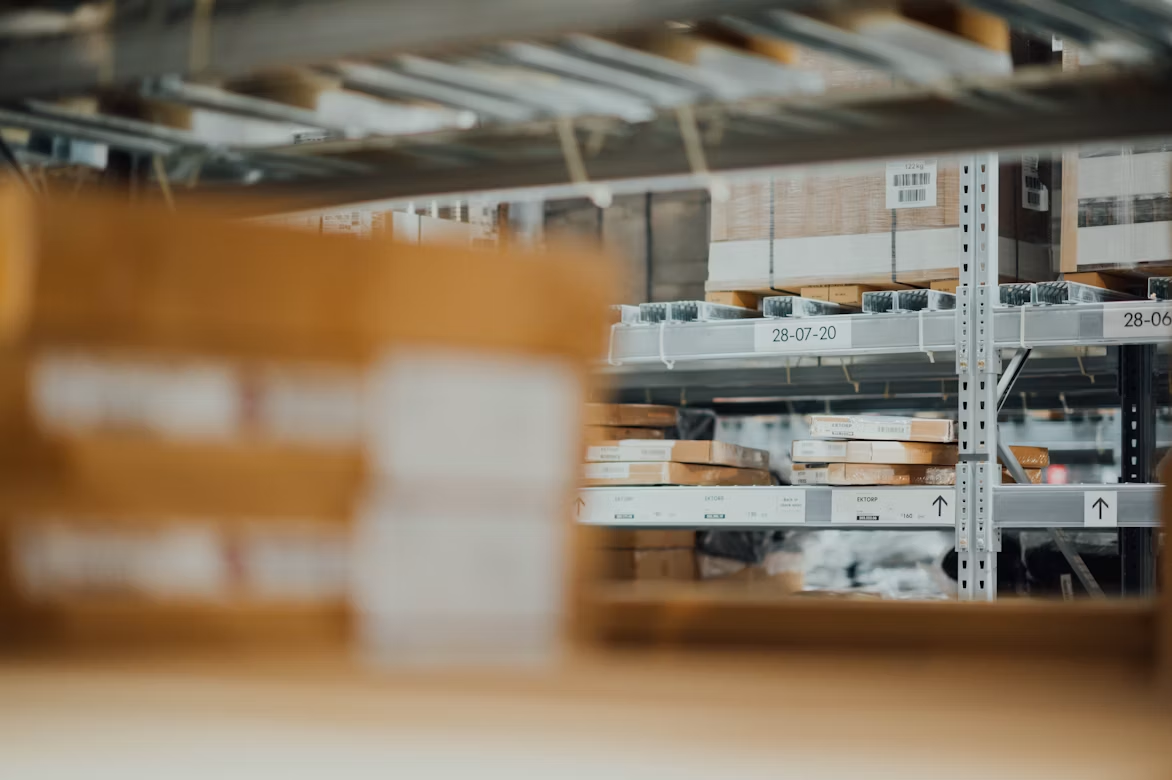
Inbound inventory arrives, gets counted against the purchase order, inspected, and shelved. The key metric is dock-to-stock, which is how fast new stock becomes sellable. A slow window means product that's physically in the building but invisible to your store. That's lost revenue hiding in plain sight. A tight operation receives inventory within about 48 hours.
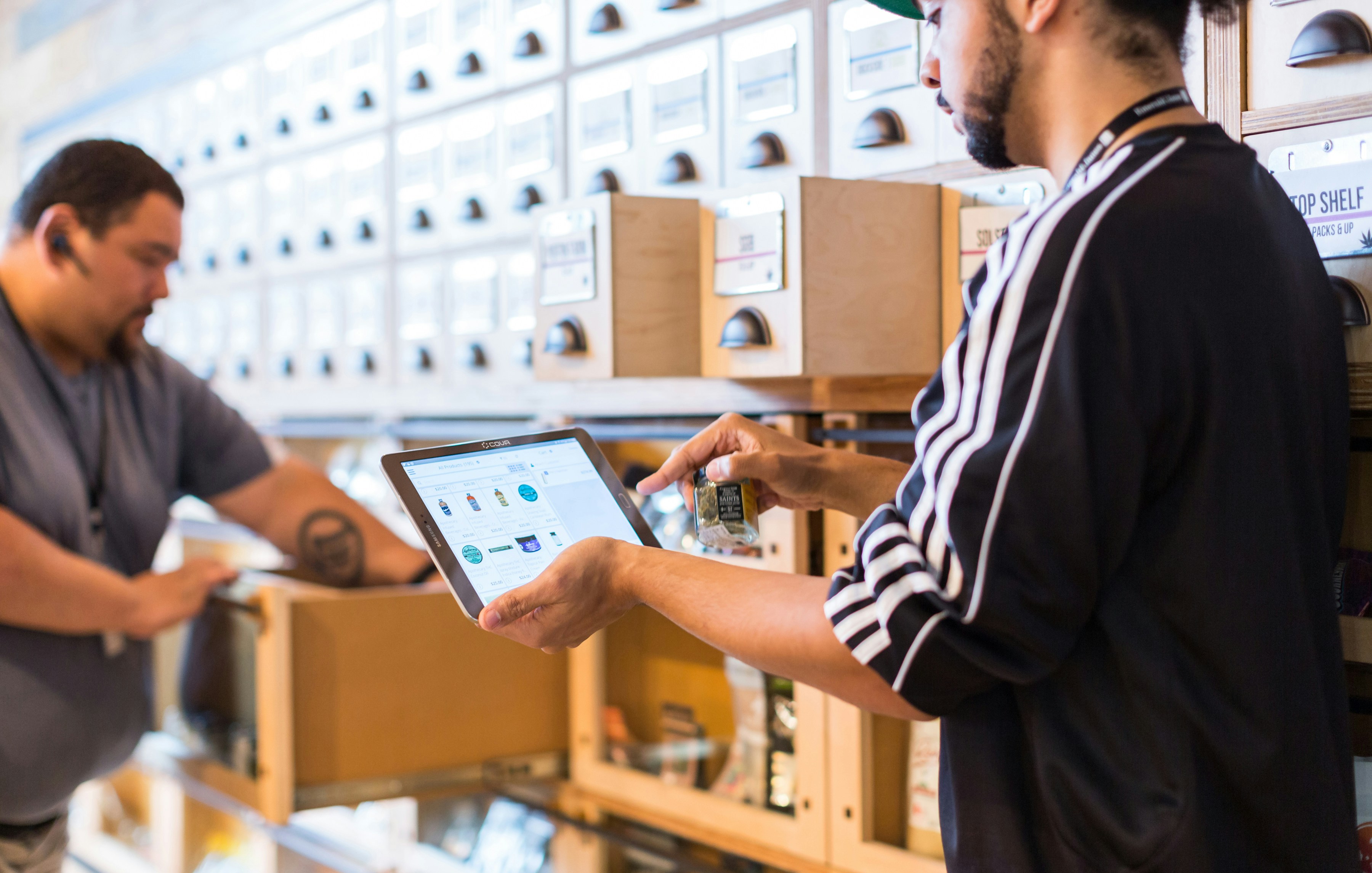
Once shelved, products live in mapped bin locations chosen by velocity, so your best sellers sit closest to packing. This is where warehouse management software earns its keep. It tracks every unit in real time. It flags low stock before you sell out. And it keeps counts synced across Shopify, Amazon, TikTok Shop, Walmart, and the rest. If your numbers and your shelves disagree, you oversell, and overselling costs you customers faster than shipping fees do.
Some inventory needs special handling. Supplements, cosmetics, and perishables often need temperature-controlled fulfillment in a climate-managed, monitored environment rather than a corner of a standard warehouse.

When an order comes in, a picker pulls the items and a packer boxes them to your specs. That might be a branded mailer, a plain box, a kit, or an insert, whatever the unboxing calls for. Accuracy is everything here. The best order fulfillment services pair human packers with verification tech so the wrong item never makes it into the box. At ShipBots, Vision AI records and verifies each pack. That's how the accuracy rate reaches 99.999%, so more customers get exactly what they ordered, on time.
Every order needs a label, and not all labels cost the same. A good warehouse rate-shops across carriers for each shipment. It picks the option that balances cost and delivery speed. Plug in deep platform integrations like Shopify and orders flow from cart to carrier without anyone re-keying a thing.
Returns are part of ecommerce, full stop. A warehouse that handles reverse logistics well will inspect, restock, or reroute returned items quickly. That protects both your margin and your customer relationship. Done poorly, returns quietly become inventory ghosts that throw off every count downstream.
You don't need a 3PL on day one. Plenty of brands start by shipping from home, and that's fine, until it isn't. Here are the signals that you've hit the ceiling:
None of these mean you've failed. They mean you've succeeded enough that fulfillment has become a real job. A purpose-built warehouse does that job faster and cheaper at volume than you can from a back room.

Not all warehouses are equal. When you're evaluating one, weigh four things.
You should be able to see your inventory and orders in real time, from anywhere. Look for a live inventory portal, multi-channel sync, low-stock alerts, and pack verification. A warehouse that can't show you your own stock is a warehouse you'll spend evenings chasing on the phone.
Ask for the numbers and make sure they hold up under questioning. Vague superlatives don't count. The benchmarks worth pinning down are same-day ship rate, accuracy rate, and dock-to-stock time. For reference, ShipBots ships 99.9% of orders the same day, runs a 99.999% accuracy rate, hits 48-hour dock-to-stock, and moves more than 3M orders a year across 100K+ SKUs.
You shouldn't need a lawyer to read a fulfillment quote. Look for simple, volume-based pricing, no hidden fees, and ideally no long-term contract. A partner confident in its work earns your business every month on results rather than legal lock-ins. If pricing is murky or the contract is binding, that tells you something.
Software is half the equation. The other half is a human who knows your brand and picks up when something's urgent, even on a weekend. At ShipBots, your dedicated account manager sits inside the warehouse where your product actually lives. There's no faceless ticket queue between you and your inventory.
ShipBots was founded in 2010 by Payam Ahdoot. He built it out of his own experience scaling an online store and getting burned by the exact fulfillment headaches above. The company is headquartered in Los Angeles, minutes from the Port of Long Beach, with warehouses on both coasts. ShipBots pairs a real-time inventory portal and Vision AI pack verification with dedicated, in-warehouse account managers, so you get both the technology and the accountability.
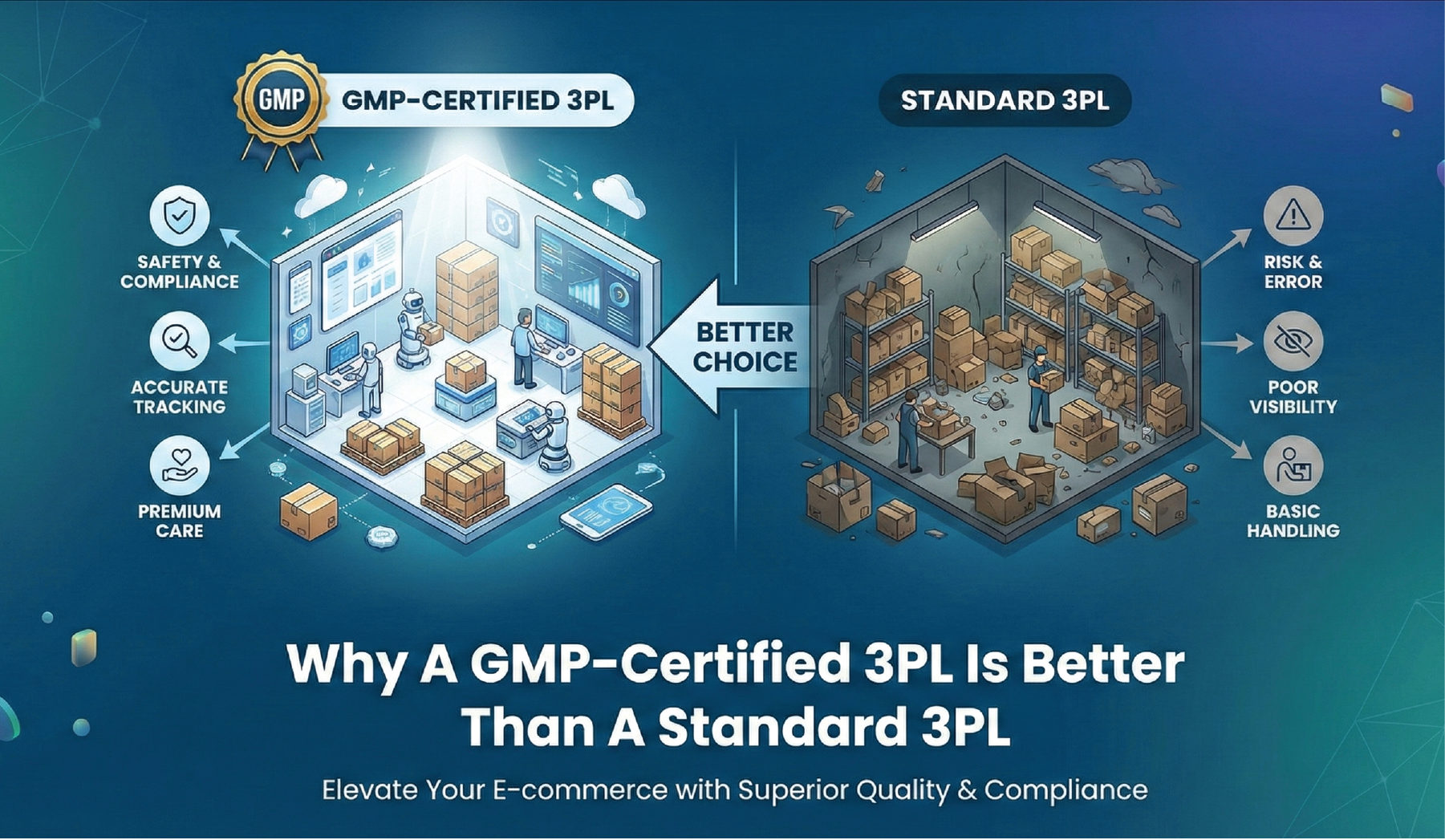
The credentials back it up: Inc. 5000 honoree, Shopify Plus Partner, FDA-registered, GMP Certified, and NSF International. Whether you're a startup shipping low volume or an established brand managing six figures of SKUs, the same obsessive attention applies. The 3PL sector is growing fast because outsourced fulfillment lets brands move quicker than they could alone. The partner worth choosing is the one that treats your inventory like its own.
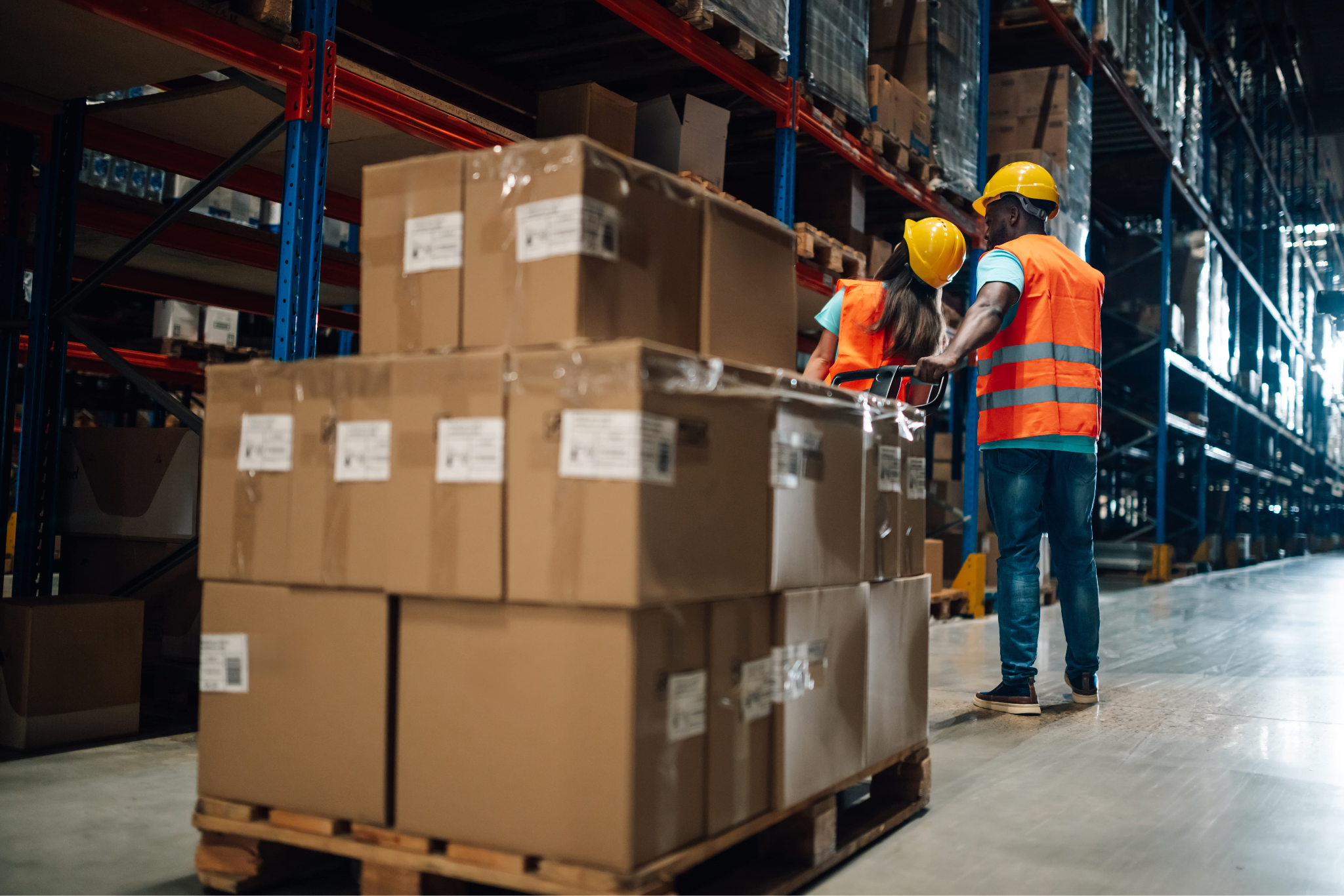
An ecommerce warehouse is the facility. A 3PL is the company that operates it and runs the full fulfillment process for you. A third-party logistics (3PL) provider handles receiving, storage, picking, packing, shipping, and returns under one roof, with software and staff included. Renting raw warehouse space gets you four walls. A 3PL gets you the whole operation.
It depends on your order volume, storage footprint, and the services you need. That's why good providers quote on transparent, volume-based pricing rather than flat fees. Expect costs tied to receiving, storage, and per-order pick-and-pack, with shipping rate-shopped across carriers. The cleaner the pricing model and the fewer hidden fees, the easier it is to forecast your fulfillment spend.
When fulfillment starts costing you growth: late orders, packing errors, or hours you should be spending on the business. If you're scaling across multiple sales channels or running out of room to store inventory, a dedicated warehouse usually pays for itself in saved time and fewer mistakes. There's no minimum size that disqualifies you. Quality 3PLs serve lower-volume brands with the same care as large ones.
Yes. Supplements, cosmetics, food, and other perishables should be stored in a climate-managed, monitored facility, and many 3PLs offer temperature-controlled fulfillment for exactly this. If you ship sensitive goods, confirm the warehouse is set up for it. Ask about certifications like FDA registration and GMP compliance.
Absolutely. Many ecommerce warehouses handle Amazon FBA prep: labeling, poly-bagging, bundling, and palletizing to Amazon's exact requirements before product ships into a fulfillment center. Outsourcing prep keeps your inventory compliant. It also helps you avoid the costly rejections that come from getting Amazon's rules slightly wrong.
Not always, and you shouldn't have to lock into a long one to get good service. The strongest partners earn your business month to month on performance instead of binding you to a multi-year agreement. If a provider requires a long-term contract before they'll touch your inventory, treat that as a signal worth questioning.
See exactly what fulfillment would cost for your order volume and get an instant quote. No contract, no guesswork, just numbers you can plan around.


.svg)





.jpg)
.jpg)





.jpg)














.jpg)