.jpg)
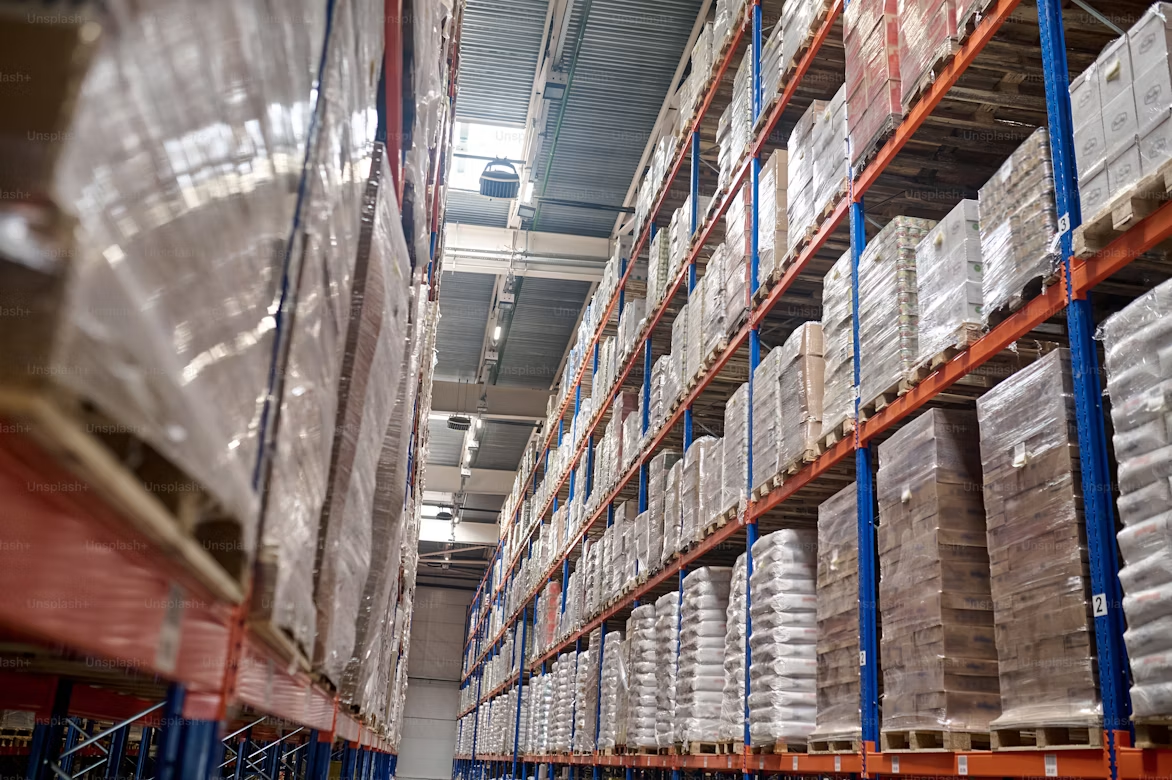
Warehousing services cover the storage, handling, and distribution of your products from the moment they leave the factory to the moment a carrier scans the shipping label. That includes receiving inventory, organizing it, tracking stock, fulfilling customer orders, picking and packing, shipping, and processing returns. If you've been running all of that out of a spare bedroom or a garage with sketchy shelving that you built from a YouTube tutorial (been there), you already feel the growing pains. ShipBots runs fulfillment centers on both coasts and offers the kind of order fulfillment services that take the whole mess off your plate.
Look, I get that warehousing is nobody's idea of a thrilling read. You didn't start a brand because you're passionate about pallet positions and WMS software. Fair. But here's the thing I keep seeing play out: warehousing is invisible when it works and catastrophic when it doesn't. Late orders, wrong items, reviews that make you wince. By the time you notice something's broken, customers have already noticed first.
It's one of those terms that sounds singular but isn't. There's actually a whole mess of operations happening under that umbrella, and if any single one of them falls apart, the customer feels it. Think of it like a relay race except every runner is also blindfolded and holding a tray of coffee. Not pretty when someone stumbles.
Receiving is the first step and, honestly, the least glamorous. Your inventory shows up at the warehouse on a truck or in a container. A team physically counts everything, compares it against your PO, and inspects for damage. It's tedious work. Nobody gets excited about counting boxes. But here's what happens when the count is off at receiving: your inventory numbers are wrong from that point forward. You end up listing products you don't actually have. A customer orders one, you can't ship it, and now you've got a cancellation, an apology email, and a bad taste in someone's mouth. All because somebody miscounted at the loading dock.
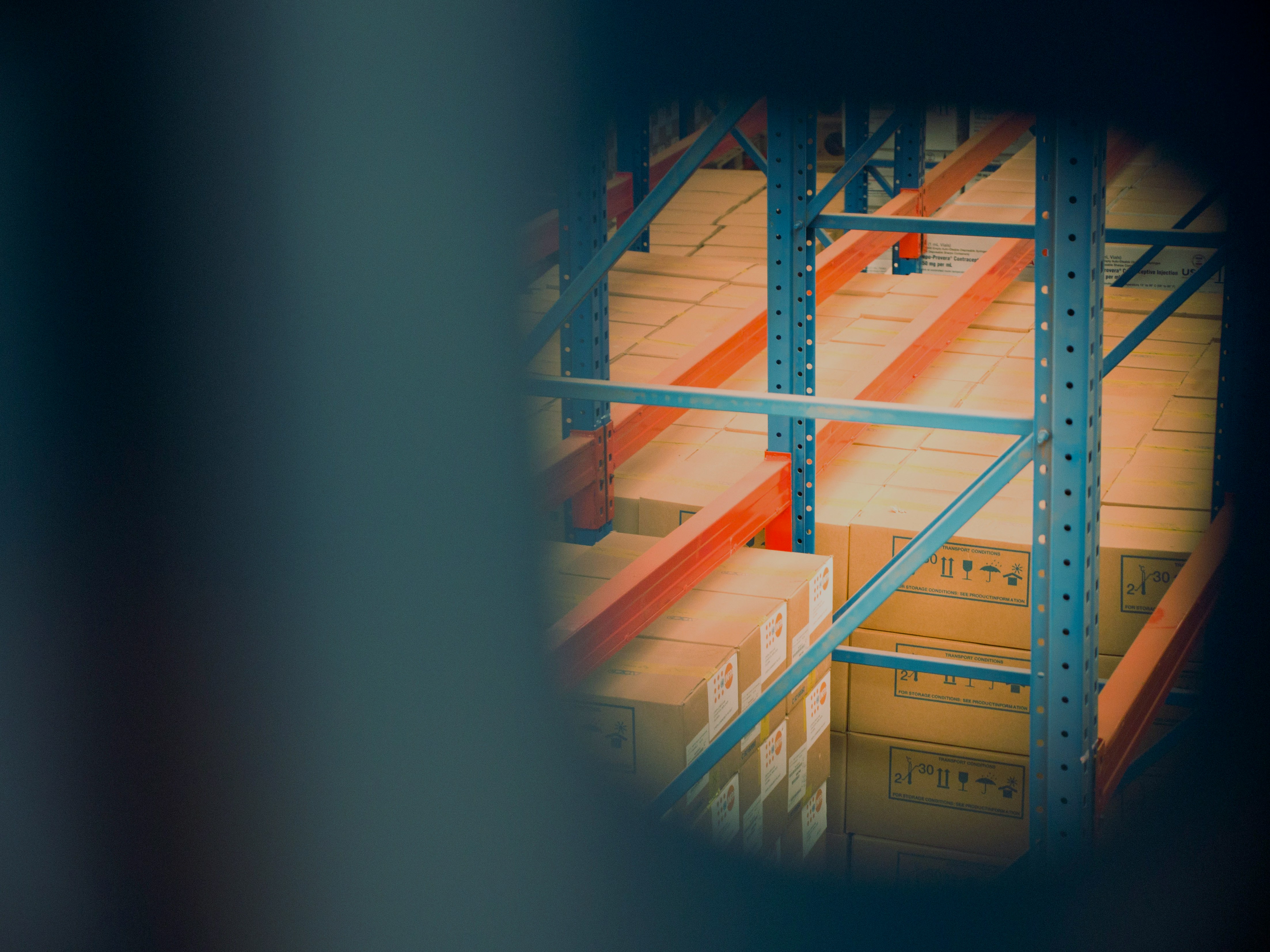
After the count checks out, products get shelved. Bins, racks, pallet spots, whatever the layout calls for. A warehouse management system keeps tabs on every single unit and where it lives. When you log in, you should be able to see what's in stock across every sales channel without making a phone call. If you're still tracking inventory in a spreadsheet (and a surprising number of brands still are, no judgment), ShipBots has a solid walkthrough on switching to a digital inventory system. Worth a look. There's a ceiling on how far manual tracking can carry you, and the ceiling is lower than most people think.
Then there's pick and pack, and this is the step where your customer experience is actually made. An order drops into the system. A warehouse associate walks to the correct location, grabs the right product (you'd be surprised how often this goes wrong at poorly run facilities), and packs it to your spec. Maybe that's a branded box with tissue paper and a handwritten note. Maybe it's a poly mailer. Whatever you've set up. The point is, when pick and pack runs tight, customers get exactly what they ordered, packed the way you intended. When it doesn't, someone in Scottsdale opens a box expecting a candle and finds a dog toy. That's a return, a refund, and a review that stings.
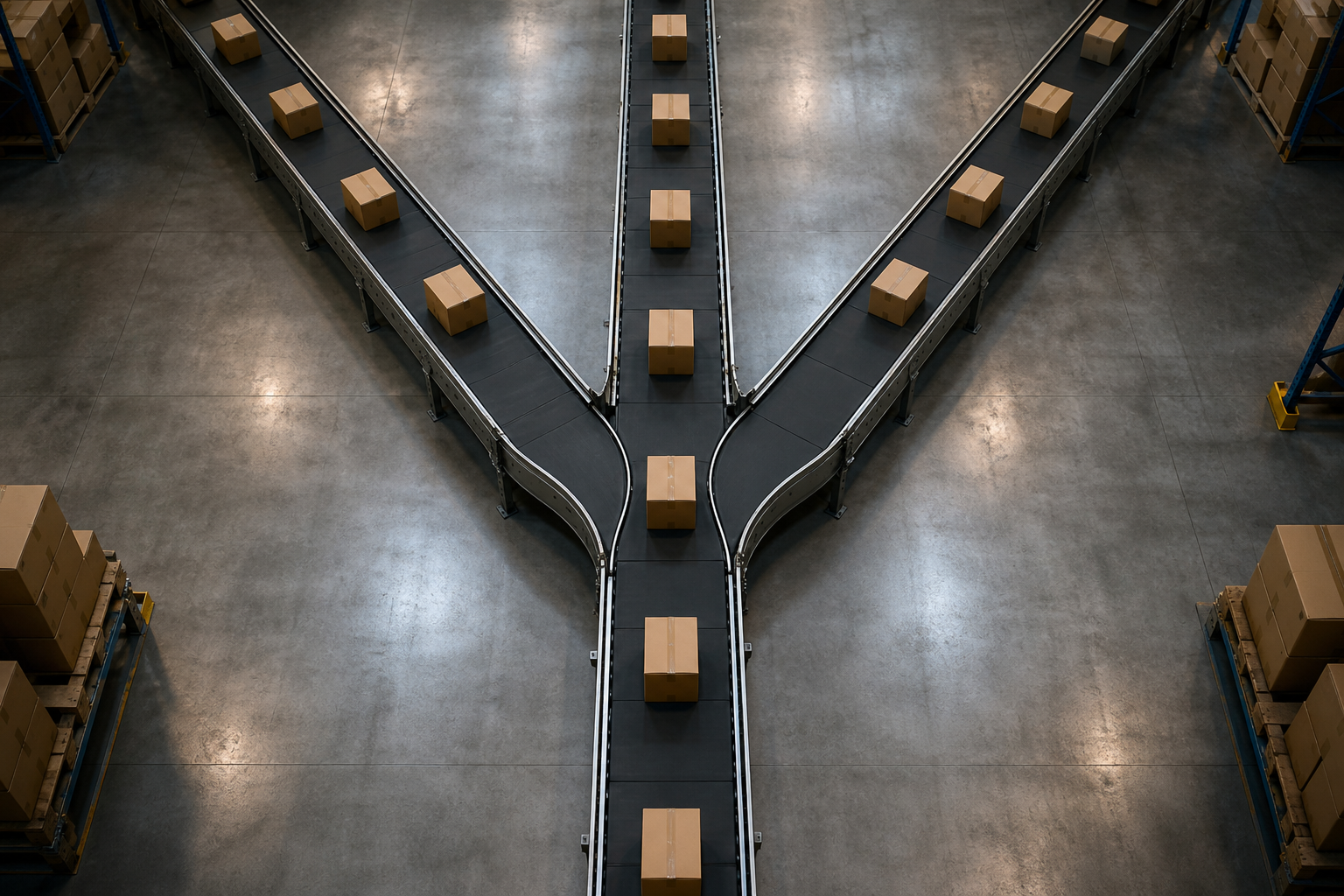
Shipping seems straightforward. Box gets a label, carrier picks it up, done. But good warehousing operations are doing a lot behind the scenes here. Rate-shopping software compares quotes from FedEx, UPS, USPS, DHL, sometimes regional carriers too, and picks the fastest affordable option for each package individually. Over thousands of orders a month, that per-package optimization saves real money. Brands often don't realize how much they were overpaying on shipping until they see the comparison.
Returns round out the list. I won't belabor this because ShipBots actually wrote a thorough piece on reverse logistics that covers it better than I can in a paragraph. But the gist: products come back, that's ecommerce life, and a warehouse that handles returns well will inspect each item, restock whatever's sellable, update your inventory, and keep the whole operation moving. Warehouses that don't have a returns process? You end up with mystery bins of unsorted product that nobody can track or sell. I've seen it happen. It's depressing.
Couple of numbers worth knowing.
Mordor Intelligence puts the global warehousing and storage services market at about $544 billion for 2026. Growing at a 4.33% clip annually. Grand View Research scopes even wider, putting the broader warehousing market above $1 trillion with projections hitting $1.73 trillion by 2030.
Why does that matter to you, specifically? Because every ecommerce order you ship already touches warehousing infrastructure in some form. You're part of this market. The question is really whether you're handling your piece of it well or hemorrhaging money through inefficiency. Ecommerce volume keeps climbing, customers keep wanting faster delivery, and cold chain demand from supplement and food brands is pushing temperature-controlled storage up at a 5.36% CAGR according to the same Mordor data. If you sell anything that can't sit in a hot warehouse all summer, pay attention to that trend.
Almost every founder I've talked to started the same way. Kitchen table, label printer, daily trips to the post office. Maybe a stack of poly mailers on the floor next to the dog bed. And for 20 or 30 orders a day? That setup is totally workable. You pack with care. You know every customer. Feels good.
But then it doesn't.
Could be a product goes semi-viral and you're suddenly staring at 200 orders due by end of day. Could be you launched on Amazon and the inventory coordination between two channels is eating four hours every morning. Or maybe it's simpler than that, maybe you just realized your weekends have been consumed by packing tape and shipping labels for three months straight and you'd really like to see your friends again.
That's the inflection point. Once you cross it, doing fulfillment yourself actually costs more than outsourcing it. Not just in your time (though that alone is worth a lot), but in error rates, shipping costs, and the inventory mistakes that pile up when you're moving fast and doing it all manually.
When you hand it off to a professional warehousing operation, the shift is immediate. Hours come back into your day. Shipping errors basically disappear. And your postage drops because a 3PL like ShipBots negotiates volume carrier discounts that an individual brand can't get on its own, then passes those rates to you. Their facilities near the Ports of LA and Long Beach also put your inventory within a couple shipping zones of a huge slice of the U.S. population. That translates directly to cheaper, faster delivery on a per-order basis.
One more thing people don't think about until it bites them: inventory sync. Selling on multiple channels, Shopify plus Amazon plus your own site, is great for revenue but awful for stock accuracy if your systems aren't connected. ShipBots syncs inventory in real time across all of them. If you're running multiple channels right now, their piece on multichannel inventory management is genuinely one of the better resources I've come across on the topic.
There are several distinct types of warehouses, and picking the wrong one is a quiet way to waste money. Not the dramatic, blow-up-your-business kind of waste. The slow leak kind. Worse, in some ways.
Most ecommerce brands end up in general warehousing. Standard racking, stable temperatures, nothing exotic. Works for apparel, beauty, home goods, electronics, basically anything that won't melt or expire. ShipBots' apparel fulfillment operation lives in general warehouse space, but they've layered on variant-level tracking for sizes, colors, and seasonal SKUs, which, if you've ever managed clothing inventory, you know is its own special nightmare.
Temperature-controlled storage is a whole different setup. Supplements that lose potency in heat. Skincare with active ingredients that break down above a certain temp. Chocolate in July (please, nobody wants melted chocolate). ShipBots runs climate-controlled zones and gets into the regulatory weeds, FDA, FTC, lot tracking, in their guide to supplement fulfillment. If that's your world, read it before a compliance issue reads you.
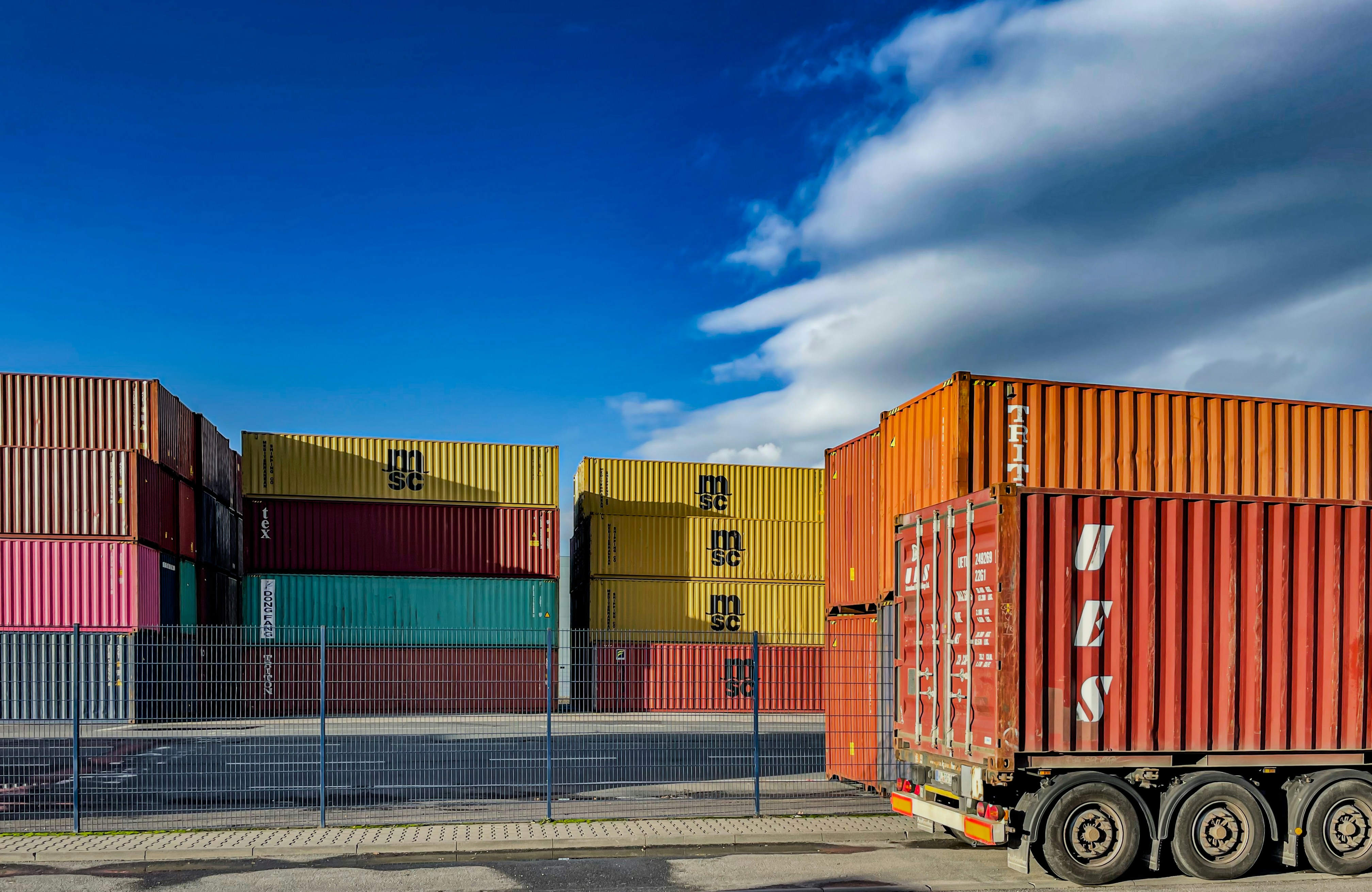
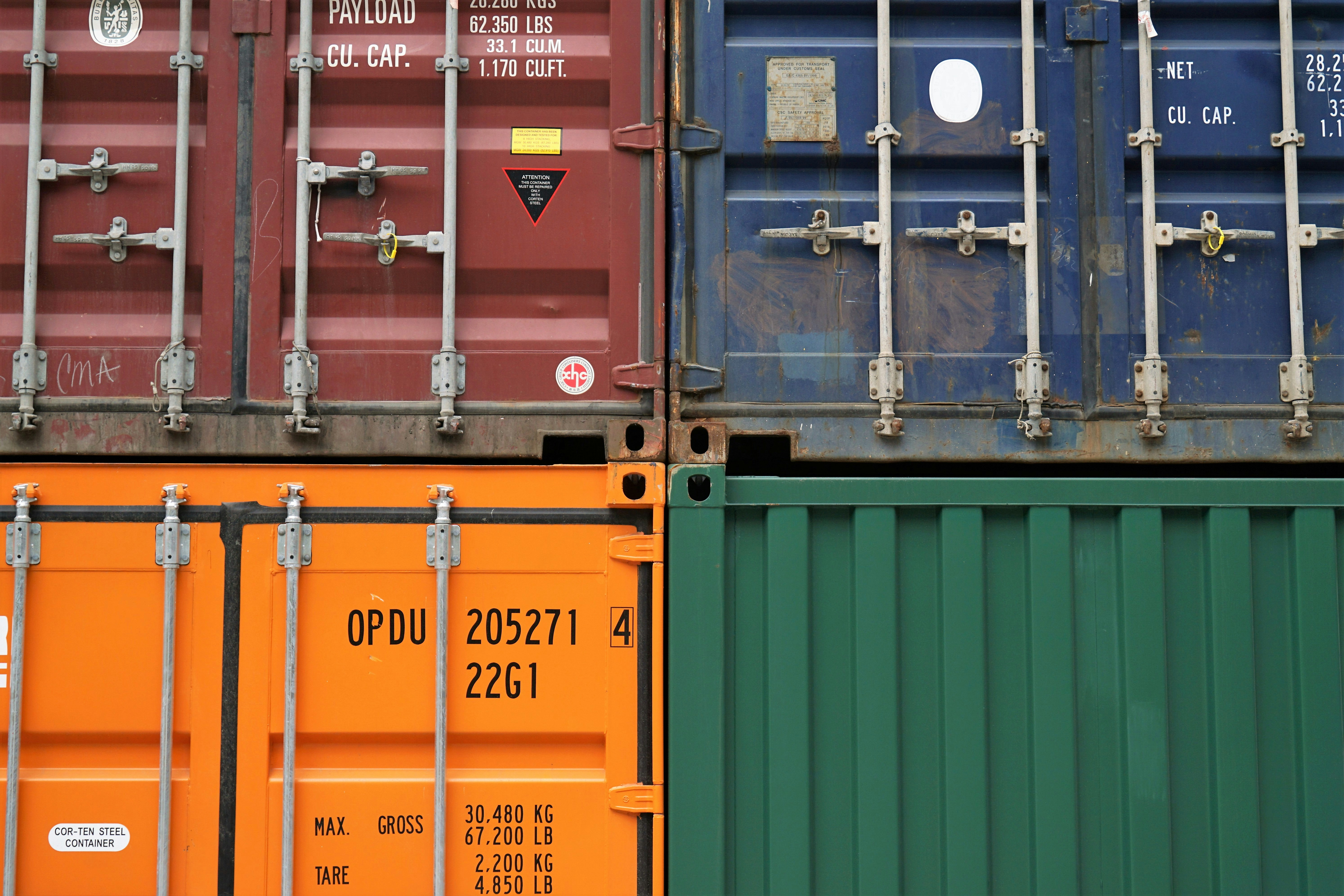
Bonded warehousing exists for importers. You store goods before paying customs duties, keeping your cash flow flexible. Niche use case, but powerful if you're regularly bringing containers through a port.
On-demand warehousing is the month-to-month option. Rent by the pallet, scale when you need to, drop back when you don't. Perfect for product launches, seasonal inventory, or testing a new market without signing a lease.
I've watched brands bounce between three different 3PLs in 18 months. Each switch costs time, money, and sanity. Usually the root cause was the same: they picked based on the cheapest quote and didn't ask enough questions about everything else.
Location should be your starting point. Where do your customers live? That's where your inventory should be, or as close as possible. Shipping zones are the silent killer of ecommerce margins. A warehouse in the wrong geography adds days to delivery and dollars to every package.
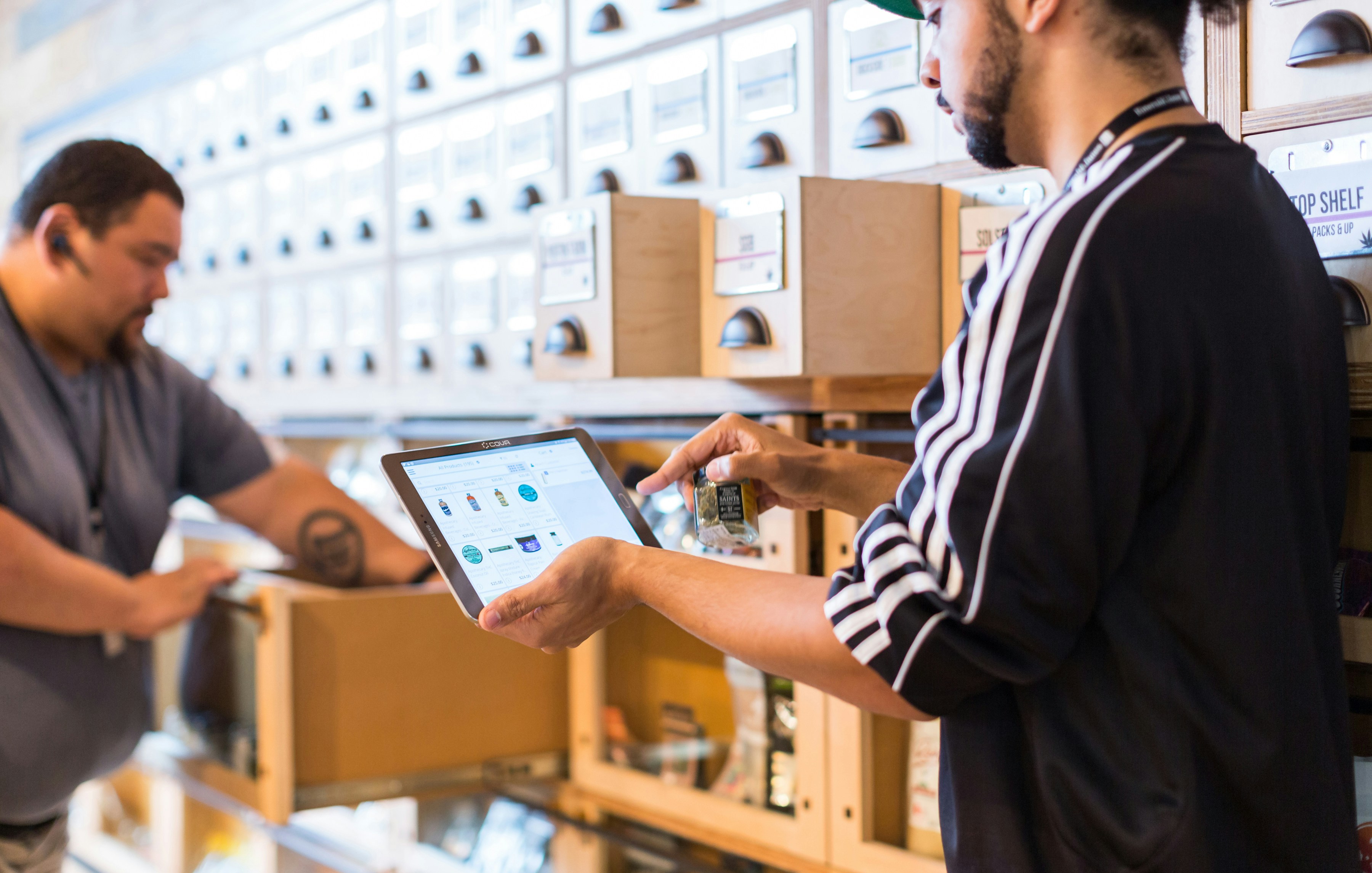
Technology is the next thing to vet. And I mean actually vet it, not just take their word for it during a sales call. Can their system plug into your Shopify store natively? Or are they going to ask you to upload CSV files twice a week? ShipBots' integration setup connects directly to Shopify, BigCommerce, WooCommerce, and a bunch of marketplaces. Orders go from your checkout to the warehouse floor without any human in between touching a keyboard. That matters more than it sounds like it does.
Pricing. Oh man, pricing. This industry has a hidden-fee problem and everybody knows it but nobody wants to fix it. You'll see a great per-order rate on the sales deck, and then the first invoice shows receiving fees, labeling surcharges, long-term storage penalties, and something called "special handling" that was never mentioned during the pitch meeting. ShipBots posts their pricing publicly. Volume-based, no mystery line items. I wish that was standard, but it's not.
And then there's the people side. When things go sideways on a shipment (not if, when), you want somebody who answers the phone and actually knows your account. ShipBots puts account managers inside the warehouse. Physically inside. They sit near the packers. If you call about a specific order, they can walk ten feet and check the shelf. Compare that to submitting a help desk ticket and waiting three days for a template response. Night and day.
Every last mile problem, late delivery, busted package, wrong item inside, starts in the warehouse. People don't usually frame it that way. They blame the carrier. But the carrier just moves what the warehouse hands them. If the pick was wrong, if the pack was sloppy, if the carrier choice was bad, those are all warehouse-level decisions.
ShipBots goes deep on last mile delivery in a separate piece, and it's worth reading if you want the full picture. But the quick version: a well-run warehouse makes the last mile almost boring. The right product, in the right box, shipped the right way, arriving on time. No drama. And when things come back (they always do), a tight returns workflow inspects and restocks quickly so products don't sit around long enough to become dead stock.
Storage and shipping is the floor. You can get that anywhere. What actually separates a decent warehouse from a great one is everything around those basics.
Kitting, for instance. If you sell subscription boxes or product bundles, somebody has to assemble each combination by hand before it can ship. ShipBots' subscription box fulfillment handles the whole assembly: pulling components, adding branded inserts, packing the kit, shipping it out. The subscriber opens a box that feels curated and thoughtful. That perception, the feeling of "someone put this together for me," drives retention in a way that a plain brown box never will.
Custom packaging is in the same vein. I know "your box is your brand" sounds like marketing fluff, but I've seen the data on it. Brands that switch from generic packaging to branded boxes with inserts consistently see higher repeat purchase rates and organic social posts. People film unboxing videos. They share them. That's free marketing triggered by a $0.80 insert and some tissue paper.
Retail distribution is a completely different animal. Land a PO from Target or Walmart and suddenly you're dealing with EDI compliance, ASN requirements, barcode specs, and pallet configurations that have to be exact or the whole shipment gets rejected at the dock. ShipBots handles that through their retail fulfillment services. One less thing to lose sleep over.
International shipping is the last piece. ShipBots ships to 180+ countries using DDP (Delivered Duty Paid) through their Shopify fulfillment platform, so international orders flow through the same system as domestic. No separate process. No customs headaches landing in your inbox at 6 a.m.
Still picturing a warehouse as a big concrete building with a clipboard and a forklift? Update that. The forklift is probably still there but the clipboard is gone. Replaced by sensors, software, cameras, and in a growing number of facilities, actual robots.
Fortune Business Insights estimates the smart warehousing market at nearly $33 billion for 2026, growing at 14.96% annually. That money is pouring into AI forecasting, IoT sensors, robotic picking, and WMS platforms sophisticated enough to route orders and manage inventory across multiple locations without a human touching anything.
From your seat, that looks like a dashboard where every SKU, every unit count, every warehouse location is visible at a glance. A customer in Chicago orders at noon, the system routes it to the nearest fulfillment center before you've even sipped your coffee. Carriers get compared in milliseconds. ShipBots adds Vision AI cameras that record every packing session, so if someone claims a product was missing from their box, you pull up the footage. I've talked to brands who've saved thousands a year on fraudulent claims from that feature alone.
ShipBots' overview of shipping logistics connects warehouse technology to actual delivery outcomes if you want to see how all these pieces fit together.
Their fulfillment walkthrough is the best way to see the full process, but a few things stand out.
The in-warehouse account management. I keep coming back to this because it's uncommon. Your account manager doesn't work from a corporate office or a couch somewhere. They sit inside the facility, near the team packing your orders. Call with a question and they can physically go check. That responsiveness shows up in every interaction, especially the urgent ones.
Software is ShipHero, plugging into every major ecommerce platform. Carrier discounts negotiated at volume across FedEx, UPS, USPS, DHL. Those rates pass through to you. No markup.
And 99.9% order accuracy. To put that in perspective: at 99% accuracy you're sending 10 wrong orders per thousand. At 99.9% it's one. Multiply that across 20,000 or 50,000 orders a month and the math on returns, refunds, and customer trust starts to look very different.
They cover receiving inventory from your manufacturer, storing it, tracking stock levels across your sales channels, picking and packing orders when customers buy, shipping those orders out through carriers, and processing returns. Basically everything that happens between your factory and your customer's front door. If you skip professional warehousing, you're handling all of that yourself, which works until it very suddenly doesn't.
No universal answer here. Storage is per pallet or per bin monthly. Pick and pack is usually per order or per item picked. Shipping depends on package weight and where it's going. Some 3PLs roll it all into a single per-order fee. ShipBots prices by volume, no hidden charges, which makes it easier to budget without surprises on the invoice.
Warehouse: stores products. Fulfillment center: stores them, picks them, packs them, ships them, handles returns. If you sell online, you need the second version.
Honestly? Sooner than most brands think. The classic trigger is when packing boxes eats so much of your day that product development, marketing, and everything else suffers. Other signs: shipping errors creeping up, inventory counts you don't trust, physical space running out. Or the less quantifiable one, that heavy feeling when you realize you spent another Saturday surrounded by packing tape instead of building the business you actually envisioned.
Location close to your customers. Native tech integration with your ecommerce platform. A pricing structure you can read and actually understand. A real account manager who picks up the phone. Kitting, branded packaging, and international shipping capability. That mix tells you whether you're looking at a glorified storage unit or an actual fulfillment partner.
Depends on the provider. Plenty of warehouses can't. If your product degrades in heat, melts, or has regulatory storage requirements, you need to ask specifically about climate-controlled zones, batch tracking, and compliance processes. Get details. "Yeah we can do that" isn't an answer.
Geography is the biggest lever. Move your inventory closer to where customers live and every package travels through fewer shipping zones. Fewer zones means lower cost and faster delivery. Layer on automated carrier rate-shopping that picks the best option per package, and you're consistently hitting two-day delivery without burning money on premium service levels.
I'll keep the ending short because the point is simple. Warehousing isn't glamorous. Nobody makes a TikTok about their warehouse management system (okay, some people do, and honestly I respect it). But it's the infrastructure underneath every customer experience your brand delivers.
Brands that invest in warehousing services early don't just survive their growth spurts. They come out of them with happy customers, tight margins, and a reputation for reliability. Brands that keep winging it eventually lose customers, bleed money on shipping, and spend every weekend surrounded by cardboard wondering where the time went.
Your products deserve proper storage, accurate fulfillment, and packaging that represents the brand you've built. Your customers deserve the right item, in the right condition, on time. And honestly? You deserve your weekends back.
So what are you waiting for?
Get a free quote from ShipBots and find out what your life looks like without the packing tape.




.svg)




.jpg)






.jpg)













.jpg)