.jpg)
If you're shipping glass-bottled beverages, you already know the stakes. One careless warehouse rep, one wrong box configuration, one carrier that handles your shipment like airport luggage, and you're filing claims and drafting apology emails before noon. A specialized 3PL for glass-bottled beverage fulfillment isn't a luxury; it's the difference between a brand that scales and one that bleeds money on breakage. ShipBots' ecommerce fulfillment infrastructure is built to handle products that demand precision, our order fulfillment services are engineered for exactly this kind of fragile freight, and our transparent pricing model means there are no surprise surcharges waiting for you on the third invoice.
So let's get into it.
Glass is having a serious moment. The global glass packaging market was valued at roughly USD 78.5 billion in 2024 and is projected to grow at a 4.5% annual rate through 2030, powered by the consumer shift toward sustainable, premium packaging. Beverages alone account for close to 65% of the entire glass bottles and containers market. Craft breweries, cold brew coffee labels, organic juice brands, sparkling water companies, the RTD cocktail wave: they're all choosing glass, and for good reason. It preserves flavor, signals quality, and looks terrific on a shelf.
The catch? Everything that makes glass beautiful to consumers makes it a genuine headache to ship.
Glass is dense. A single 750ml glass bottle can weigh 400 to 600 grams before a drop of liquid goes in. Multiply that by twelve units in a case and you're already looking at dimensional weight calculations and carrier accessorial surcharges that quietly devour your margins. Most generic fulfillment centers don't price or package for that reality. They quote you a standard pick-and-pack rate, hand you a box estimate built for apparel, and then express surprise when your damage claims start stacking up.
Surprise.
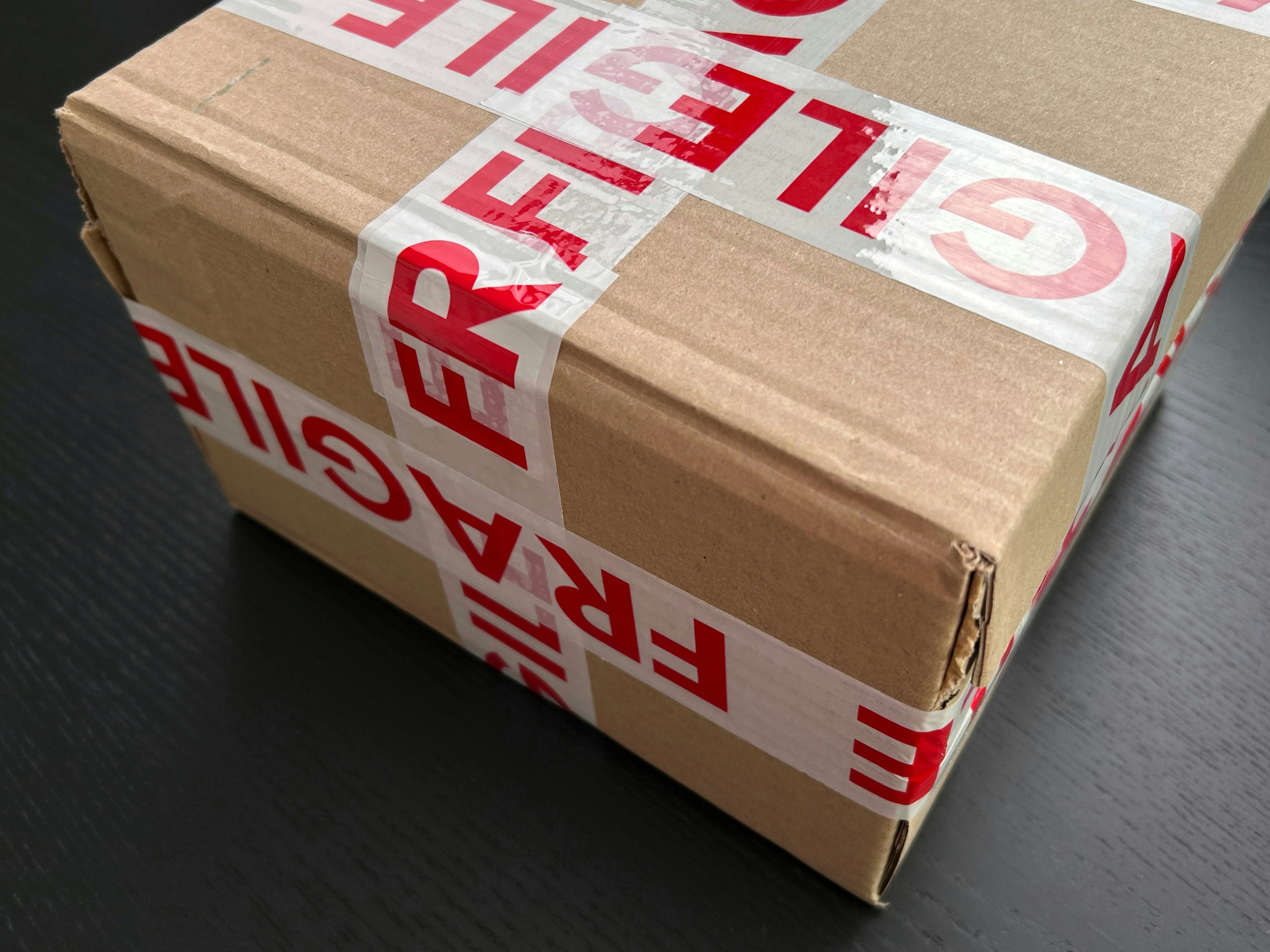
Glass doesn't bend. Doesn't compress. Shatters. And a shattered bottle in transit isn't just a lost unit; it's a soaked order, a furious customer, and a return you absolutely cannot resell. The packaging configuration matters enormously here: the thickness of the corrugate, the type of inner divider, the void fill strategy, how bottles are oriented in the box relative to each other. Getting this right requires genuine experience with fragile goods and a willingness to do a packaging audit before the first order ships. (Not every 3PL bothers with that step, yeah.)
Depending on what's inside those bottles, you may be dealing with FDA-regulated products, state-level alcohol shipping restrictions, label requirements specific to functional beverages, or some chaotic combination of all three. Herbal tonics, kombucha, adaptogen drinks, and nutraceutical beverages often carry storage and labeling conditions that most standard fulfillment centers simply aren't equipped to handle. That's before a single drop of anything with an ABV enters the conversation.
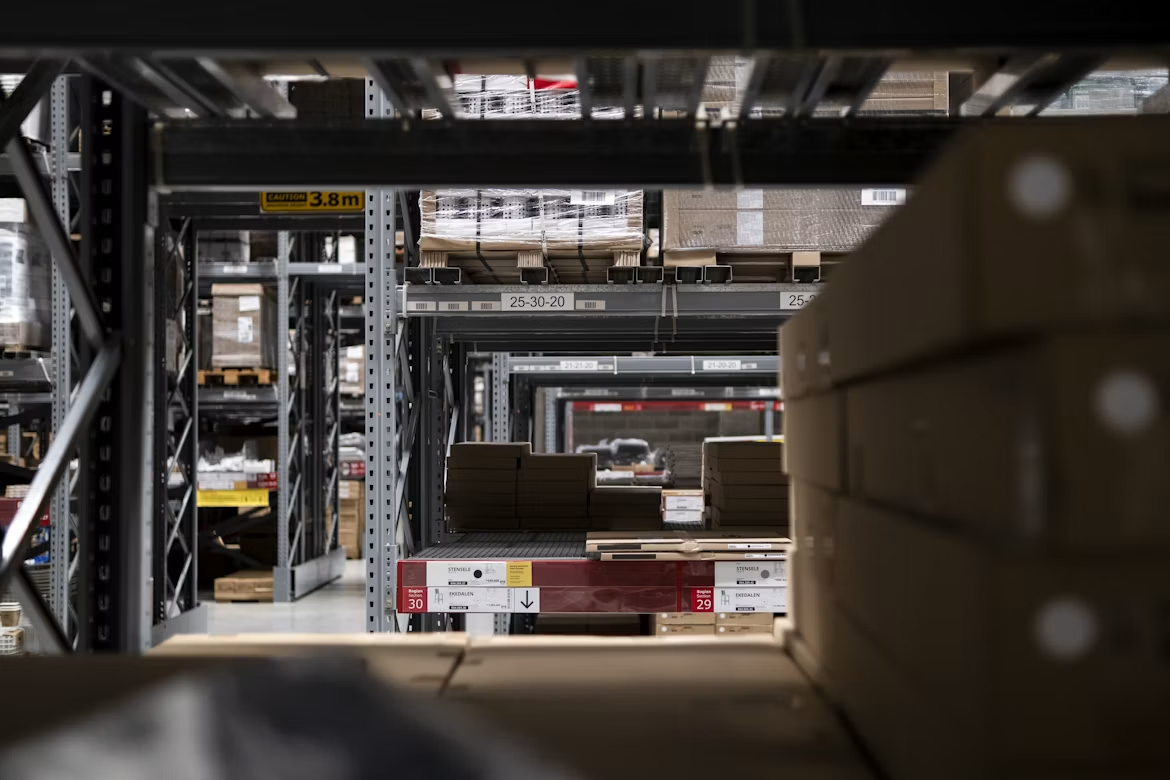
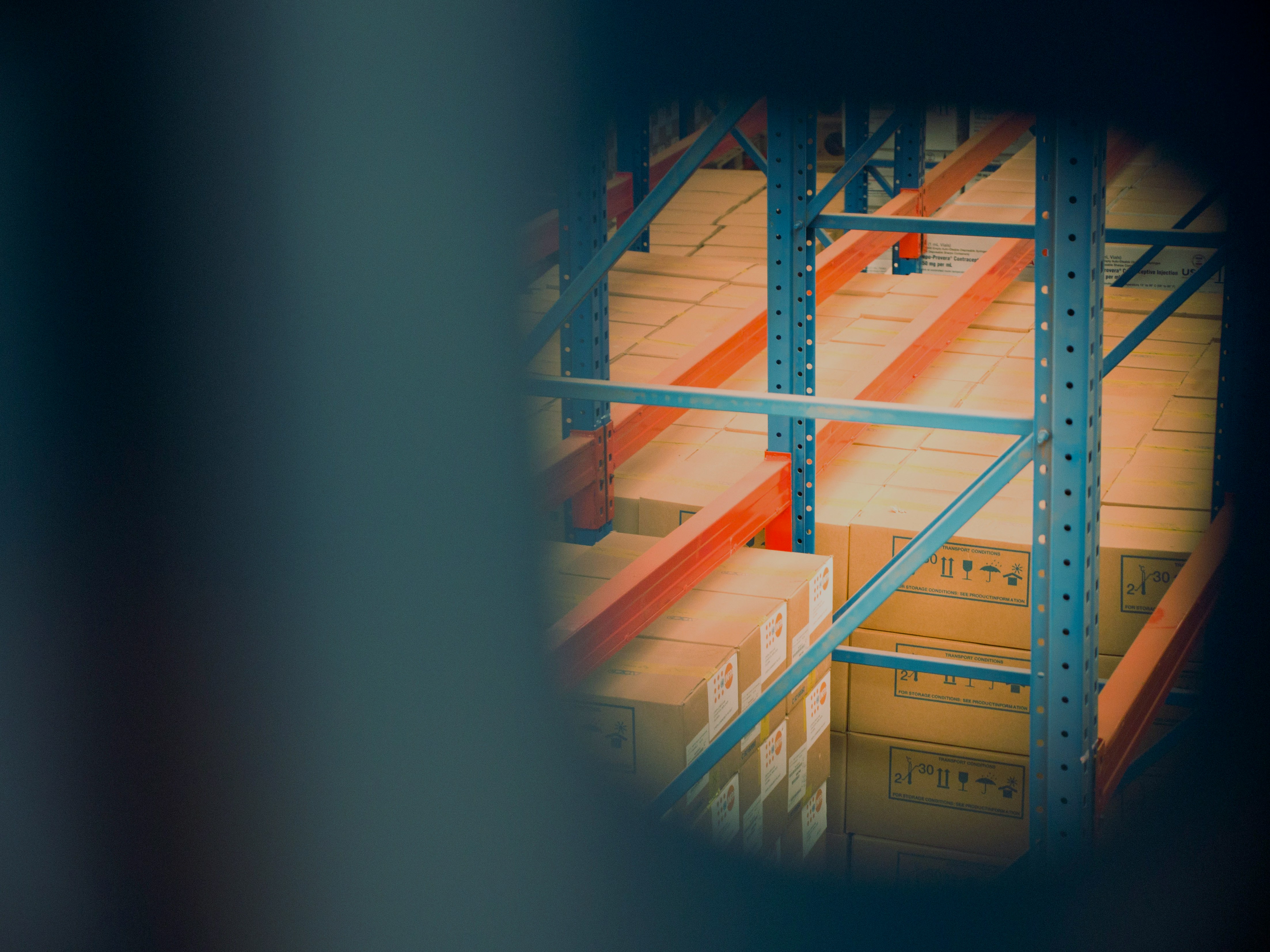
A competent beverage 3PL starts at the loading dock. When pallets of glass bottles arrive, they need dedicated equipment for unloading, a proper inspection for transit damage, and a storage setup that eliminates stacking pressure as a source of pre-shipment breakage. Real-time inventory visibility is non-negotiable. If you can't see your exact stock levels by SKU the moment a pallet is received, you're flying blind on reorder points, and with glass-bottled products, stockouts during peak season can mean weeks of lead time to refill.
ShipBots operates with a 48-hour dock-to-stock guarantee and a 99.999% inventory accuracy rate. You see what's in the warehouse, in real time, without sending an email and waiting until someone has a free moment.
The box is as important as what's inside it. For glass-bottled beverages, an effective packaging strategy typically involves double-walled corrugate, molded pulp or formed fiber dividers, deliberate void fill, and in many cases a custom insert tray specific to the bottle dimensions. The goal is zero movement inside the box during transit. Glass does not like movement.
ShipBots conducts a packaging audit for every fragile product category and will customize the pack configuration to your exact bottle shape, weight, and typical shipping zones. If you've got a proprietary bottle design (and craft beverage brands almost always do), that specificity matters a lot more than you'd think when things are bouncing around on a conveyor belt.
Not all carriers treat glass-bottled shipments the same way, and the cost differences between options aren't trivial. Rate shopping across multiple carriers, accounting for both base rates and the accessorial charges that accumulate for heavy or fragile goods, is where significant money gets left on the table. For glass-bottled beverages specifically, decisions around parcel versus LTL shipping get complicated quickly, especially for larger B2B orders or subscription fulfillment runs. A good 3PL handles this automatically, not as an afterthought.
ShipBots rate-shops in real time across carriers and uses negotiated bulk discounts to offset the additional handling surcharges that routinely apply to glass-heavy shipments. You don't manage the carrier relationships. We do.
Here's one that catches a lot of brands off guard. Temperature matters for beverages, not only for nutraceuticals or skincare products. Cold brew concentrate sitting in a warehouse that climbs to 95 degrees in August is not the product your customer ordered. Fermented beverages, live-culture drinks, kombucha, certain herbal tonics, and functional beverage formulations can lose flavor integrity, active cultures, or shelf stability when exposed to heat extremes during storage or transit.
ShipBots' temperature-controlled fulfillment warehouses maintain consistent climate conditions around the clock, with continuous monitoring for temperature, humidity, and air quality. It's the same infrastructure that supports our nutraceutical fulfillment operations, and it applies directly to glass-bottled beverages with heat-sensitive formulations.
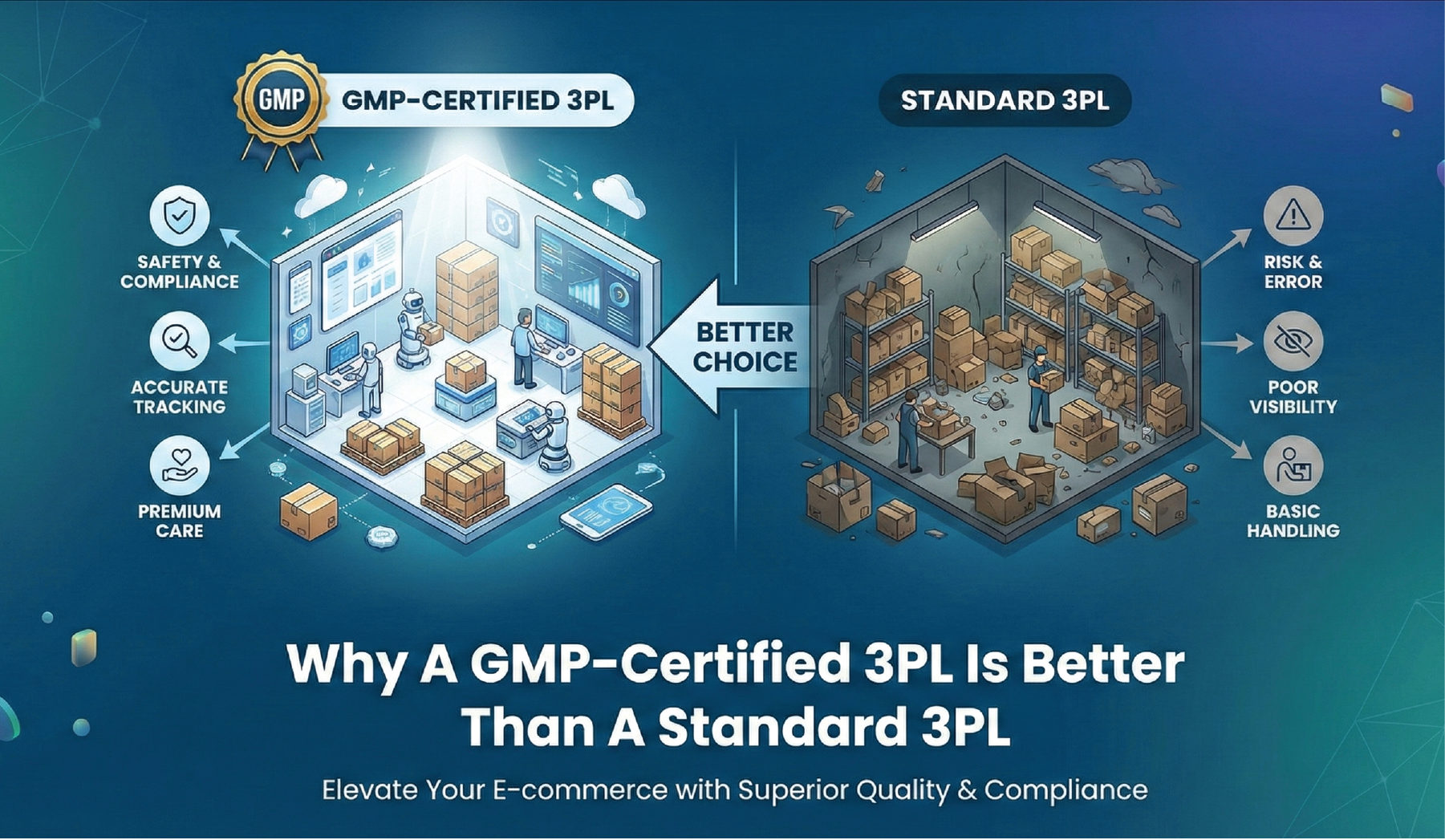
ShipBots is also GMP-certified. The facility standards, handling protocols, and documentation requirements are already baked in. For brands in the functional beverage space, that kind of certification removes a lot of anxiety from an already complicated product category.
A growing share of glass-bottled beverage brands sell through subscription models: monthly wine clubs, curated spirit samplers, cold brew subscriptions, wellness drink boxes. These are logistically more involved than standard DTC orders. Each box might contain multiple bottles in different sizes, combined with non-glass items like recipe cards, branded merchandise, or artisan snacks.
Kitting for subscription boxes with glass components requires careful sequence planning on the assembly line, because one bottle rolling at the wrong moment is all it takes. ShipBots handles subscription box fulfillment with batch-based assembly line processing, custom kitting configurations, and branded insert support. If your subscription box needs to arrive looking as intentional as it was designed, that's the operational baseline here.
DTC orders for glass-bottled beverages are one challenge. Retail and B2B orders are a different situation entirely. Large retail buyers have vendor compliance specs, pallet configuration requirements, specific labeling standards, and chargeback policies that can ruin your week if they're not followed precisely. A missed compliance requirement on a glass-bottled beverage shipment to a regional grocery chain can generate chargebacks that exceed the value of the order itself.
ShipBots handles B2B and retail fulfillment with the same precision applied to DTC orders: retail-ready packaging, proper pallet labeling, and EDI compliance support. Our warehouse locations on both coasts give brands the geographic coverage to hit regional distribution requirements without adding shipping zones that inflate per-unit freight costs.
Technically, yes. Practically, your damage rate will tell you immediately that it can't. Generic corrugate and standard poly mailers aren't designed for glass, and you'll feel it in your claim volume within the first few weeks. A capable 3PL conducts a packaging audit and builds a solution specific to your bottle shape, weight, and destination zones before the first order leaves the warehouse.
It depends on what's in the bottle. Standard shelf-stable beverages like wine, spirits, and most bottled waters don't require active climate control. Cold brew coffee, kombucha, live-culture functional drinks, and certain herbal tonics benefit significantly from consistent ambient conditions during storage to preserve quality and active ingredients.
Alcohol shipping is heavily regulated at the state level in the U.S. and varies considerably across international markets. A 3PL handles the logistics: picking, packing, carrier coordination, and documentation. The compliance side, including licensing, DTC alcohol shipping permits, and state-level eligibility, is something you'll need to have sorted before bringing a fulfillment partner into the picture.
Parcel shipping through carriers like UPS or FedEx works well for individual DTC orders. LTL (less-than-truckload) freight becomes the better option for larger B2B or retail shipments where volume and weight make parcel networks expensive and unwieldy. Your 3PL should evaluate this automatically based on order size, destination, and product weight, not wait for you to ask.
Strong 3PLs document inbound inventory condition at receiving, maintain packing footage for order verification, and support carrier claims when transit damage occurs. ShipBots uses Vision AI to record and review the packing process for any order, which makes claims documentation significantly cleaner. The goal is always to minimize breakage through proper packaging, with documentation ready when something slips through regardless.
Yes. ShipBots holds GMP certification, meaning the facility meets the operational and environmental standards that apply to sensitive product categories, including functional and nutraceutical beverages. It's the same certification infrastructure that serves supplement and nutraceutical clients, applied equally to premium beverage brands with compliance requirements.
Glass-bottled beverages deserve a fulfillment partner that treats them like the premium products they are. The brands winning in this space aren't using a generic warehouse that shrugs at breakage rates. They're backed by operations that understand fragile freight, climate sensitivity, carrier selection, and the packaging discipline that keeps bottles intact from the pick station to the customer's doorstep.
And honestly, after all the work that goes into crafting a premium glass-bottled product, why would you hand it off to a 3PL that treats it like a box of baseball hats?
Get an instant quote from ShipBots and let's build a fulfillment setup that handles your glass-bottled beverages the way they were meant to be handled.




.svg)



.jpg)



.jpg)










.jpg)