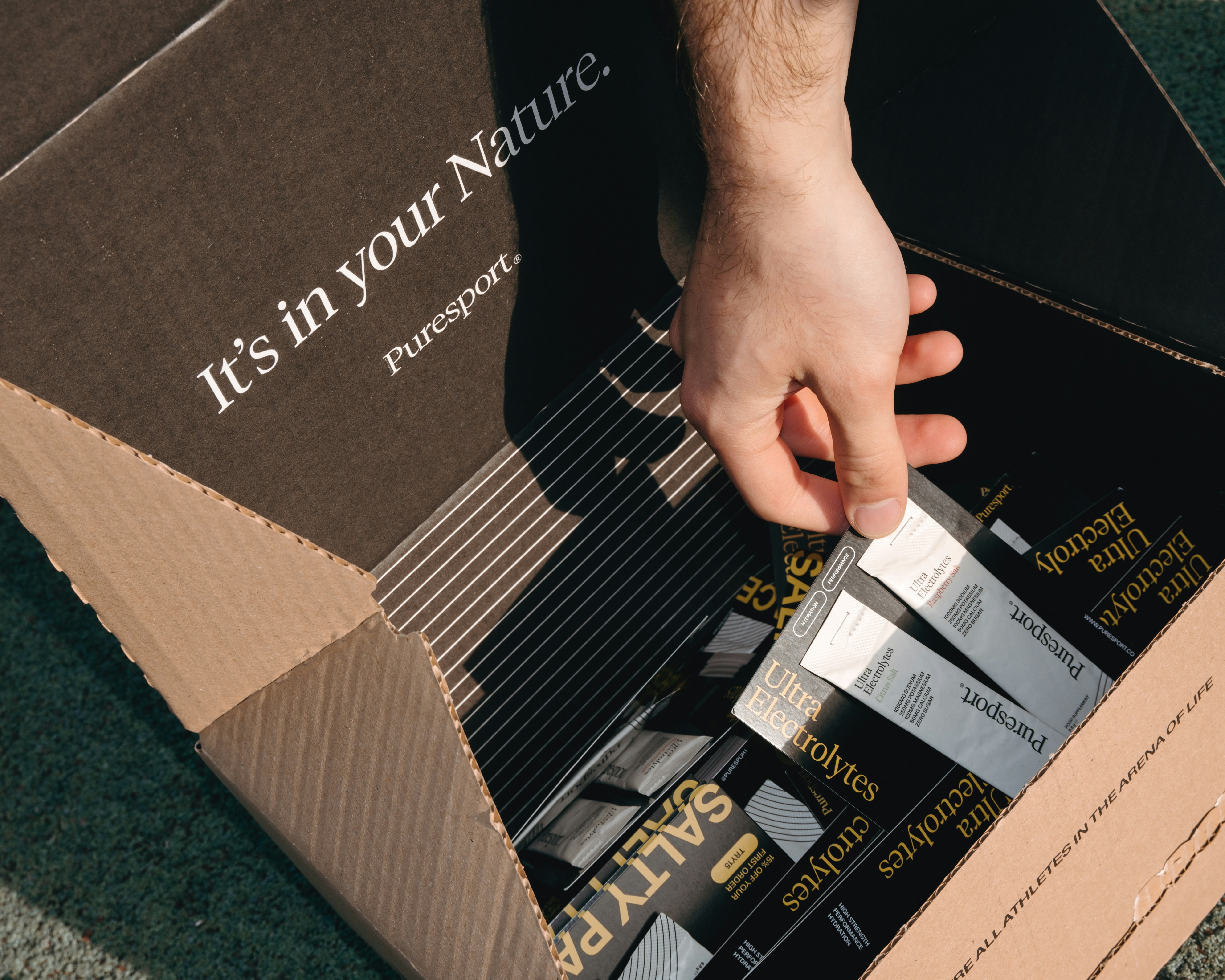
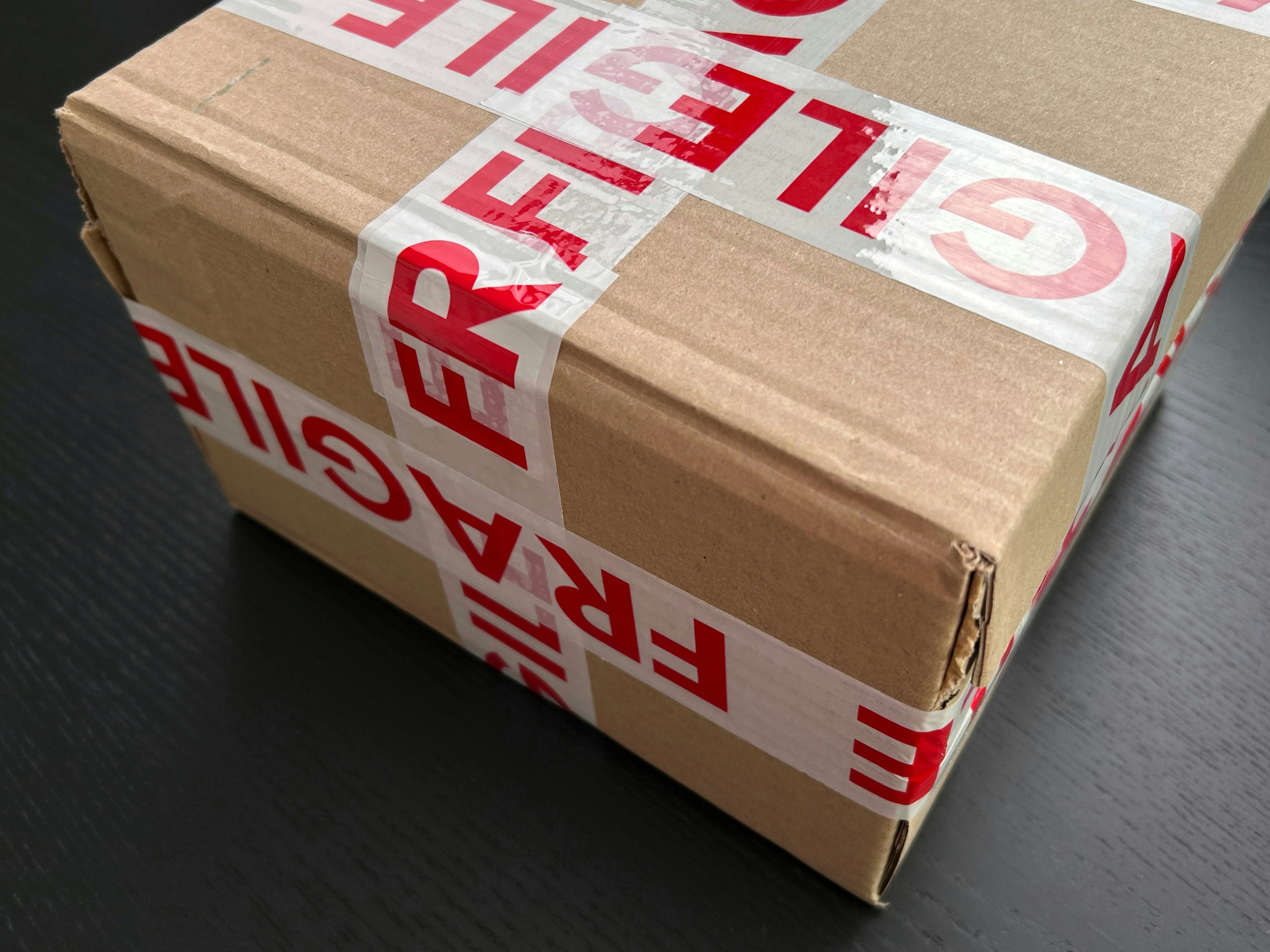
A box lands on somebody's porch. Maybe it sat in the rain for twenty minutes. Maybe the dog sniffed it first. Doesn't matter. That box is the unboxing experience, and it's the very first time a customer physically interacts with your brand after clicking "buy" through your ecommerce fulfillment setup. Nail it, and you've got someone filming a TikTok before they've even tried the product. Blow it, and that sad, dented mailer leaking packing peanuts onto the welcome mat becomes your brand's goodbye letter. For anyone running subscription box fulfillment or shipping direct-to-consumer, the pressure doubles, because there's no retail shelf doing the selling for you. Your box IS the shelf.
Below, we're covering what the unboxing experience actually is, why it moves the revenue needle harder than most people expect, and how to build one that customers remember long after the cardboard hits the recycling bin.
Picture this. You grab a package off your front step. It's got some weight to it, a satisfying heft. The tape pulls clean. Inside, tissue paper in a color you weren't expecting, deep forest green maybe, folded crisp around the product. There's a little card on top, handwritten looking, that says something like "We packed this one on a Tuesday. Hope your week's better than ours." You laugh. You pull the product out, and it's nestled in a molded insert like somebody tucked it into bed.
That whole sequence? That's the unboxing experience. Every texture, every sound, every micro-moment from "package in hand" to "product in lap."
Now flip it. Same product, different brand. Generic brown box, no branding, packing slip jammed sideways on top, the item rattling around loose in a sea of air pillows. One of the air pillows popped. You feel... nothing. Maybe mild annoyance.
The gap between those two scenarios is where customer loyalty either gets built or quietly dies. Most brands don't realize how wide that gap actually is.
I know what you're thinking. "It's packaging. People rip it open and toss it." Fair point. People also toss business cards, but we still print nice ones, don't we? Here's what makes the unboxing moment different from almost every other brand touchpoint: it happens when the customer's emotional investment is peaking. They spent money. They waited for shipping. They're excited. You have their complete, undivided attention for maybe 30 seconds.
I came across an ecommerce packaging study recently, and the findings stopped me in my tracks: 52% of consumers said they're likely to reorder from a brand that ships in premium packaging. Think about that for a second. Half your customers are basically saying, "The box was nice, so I came back." The box. Not the product description. Not the retargeting ad. The box.
On top of that, roughly 40% of shoppers admitted they'd post a photo on social media if the packaging felt unique or gift-like. And YouTube? Over 25 billion views on videos with "unboxing" in the title as of 2023. Billion. With a B. We're looking at a global marketing channel made entirely of cardboard and curiosity.
Let me walk through the chain reaction, because it's deceptively simple. Someone orders your product. Package shows up looking intentional, clean, branded. They crack it open, get that tiny hit of surprise (you know the one, like finding an extra fry at the bottom of the bag), and reach for their phone. Photo goes on Instagram or TikTok. Friends see it. A few of them buy. Meanwhile, the original customer already feels a connection to your brand that goes deeper than the product alone, and when they need a refill or a second pair or whatever you sell, they come right back.
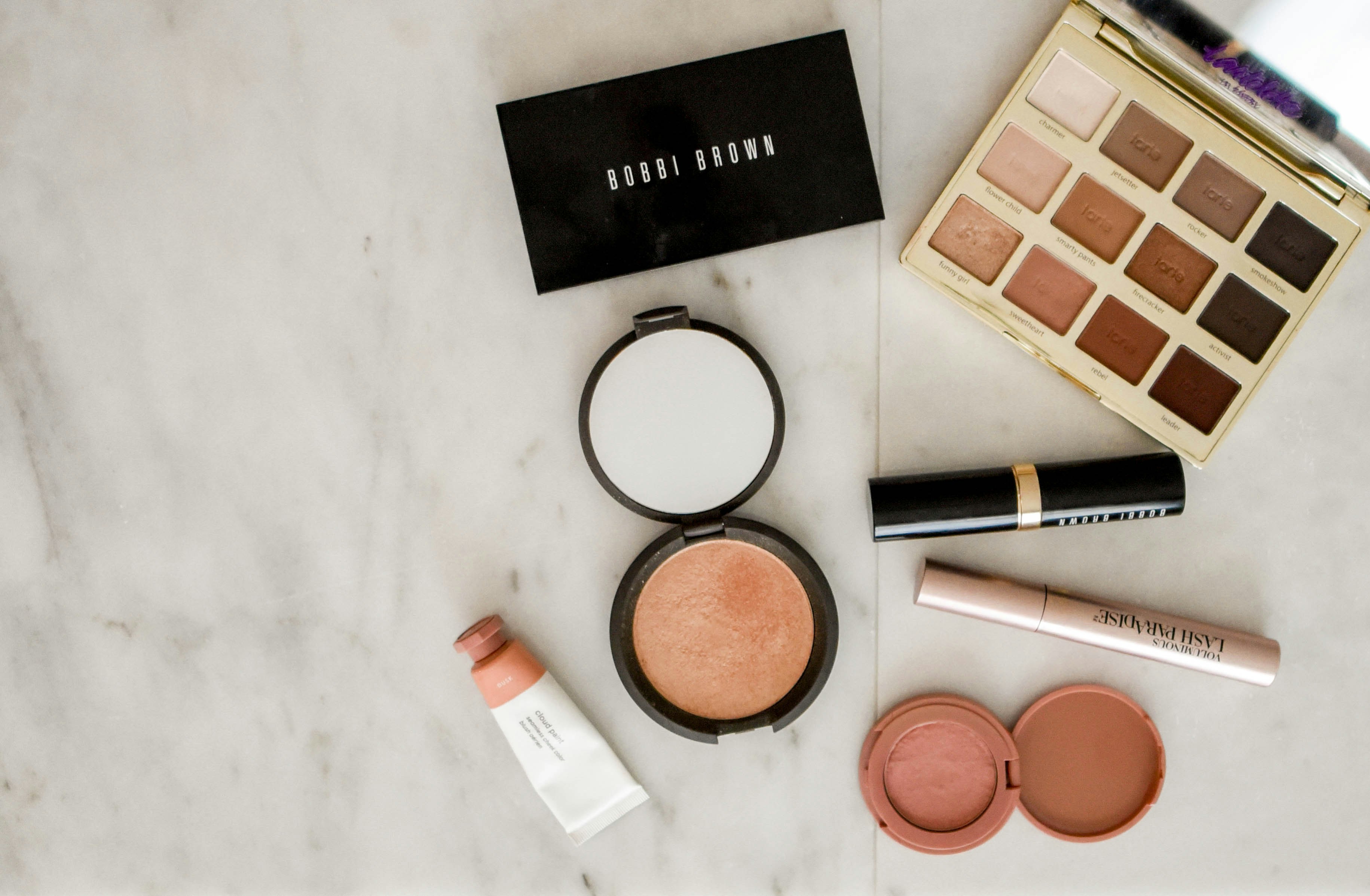
Glossier figured this out years ago with their pink pouches and sticker sheets. Every single order becomes a little unboxing ritual for their customers. The product is great, sure. But the packaging turned buyers into broadcasters.
Alright, let's get tactical. What does an unboxing experience actually look like when you peel it apart layer by layer?
I think of the outer box as a handshake. You've got one shot. A branded exterior, even if it's a simple one-color logo on kraft, immediately signals that somebody gave a damn. You don't need to spend a fortune here. A custom stamp costs almost nothing. What you're really buying is the absence of that "anonymous warehouse shipment" feeling that generic packaging radiates.
Color does heavy lifting at this stage. Texture too. If a neighbor spots your package on someone's porch and clocks the brand without reading a single word, that's brand recall earning its keep. According to Dotcom Distribution's ecommerce packaging survey, 51% of shoppers say premium packaging makes a brand feel more upscale. Pennies per box for that kind of perception shift? Seems like a bargain to me.
Real talk: nobody cares how gorgeous your crinkle paper is if the product shows up cracked in half. Protection has to come first. Always. But here's the thing a lot of brands miss: your dunnage and packing materials can pull double duty. They protect the product AND contribute to the visual experience. Crinkle-cut paper in a brand-specific shade of coral. Tissue with a subtle pattern. Molded pulp inserts that hug the product.
Macfarlane Packaging surveyed consumers and found 61% of them get more excited about opening a parcel when the packaging is branded. Exciting. But here's the ugly flip side: half of the people surveyed in the same study called their unboxing experience underwhelming. Fifty percent. So there's this enormous, gaping disconnect between what shoppers want to feel and what brands are actually giving them. That's opportunity sitting on the table, waiting for someone to pick it up.
When the customer lifts the last layer and sees the product for the first time, that's your climax. Everything before it was buildup. If you've done the outer box and the inner layers well, there's a genuine half-second of anticipation right here, a pause, a breath, almost. The product should look placed, not tossed. Centered, not shoved in sideways with a crumpled invoice on top (we've all gotten that order, haven't we?).
Branded belly bands work well at this stage. So do top-sheet cards, the kind that sit right on top of the product and say something human. Not corporate. Human. A thank-you. A weird little joke. The story of how the founder started the company in their garage. Whatever fits. The idea is to make this feel like somebody in a kitting and assembly line packed this box specifically for this person, even if they packed four hundred that same morning.
A handwritten-looking note. A 15% off code for next time. A sample packet of something new. Stickers. Honestly, stickers never fail. These finishing touches barely register on your cost-per-order sheet, but their emotional return is enormous.
Industry research backs this up: over 55% of shoppers said a free giveaway tucked inside the order would make them more likely to buy again. That sample sachet you almost cut from the budget? It's doing real work. Especially if you operate a subscription box model, these small surprises are what turn a "let me try one month" shopper into somebody who stays subscribed through winter.
You can't force anybody to post about your brand on the internet. Everybody knows that. But you CAN build a package so visually clean, so satisfying to open, that people instinctively reach for their camera. And that instinct, that moment where the customer thinks "I need to show someone this," is the unboxing experience working as organic marketing.
Quick math. Organic social impressions cost you nothing. A single TikTok from a customer with 800 followers still reaches more eyeballs than most of your email campaigns. Now multiply that across a few hundred orders per week. Meanwhile, paid acquisition costs keep creeping upward, which means every free impression from a customer-generated unboxing post is worth more today than it was six months ago.
This dynamic hits especially hard for merch brands and apparel companies, because clothing and lifestyle products photograph well by nature. Pair a good product with packaging that pops on camera, and you've basically turned your customer base into an unpaid (but enthusiastic) street team.
Contrasting colors show up better on small phone screens. Keep internal layouts clean and uncluttered so the eye has somewhere to land when someone shoots a quick overhead photo. A single branded phrase printed on the box flap, something short and personality-forward, gives viewers a visual anchor. Chaotic, overstuffed boxes with no clear focal point? Those get opened, enjoyed maybe, but never photographed.
Something shifted in the last couple of years, and it caught a lot of brands off guard. Customers started caring, measurably and vocally, about what happens to the packaging after the product comes out. Dotcom Distribution found that 66% of consumers cite eco-friendly packaging as the number one sustainability factor that determines where they shop. Not ethical sourcing. Not carbon-neutral shipping. The packaging itself. The box won.
Before you panic and start sourcing seaweed-based mailers (those exist, by the way, and they're weird in a good way), know that "sustainable" doesn't have to mean "expensive overhaul." Right-sizing boxes so you're shipping less air is a start. Swapping plastic wrap for recyclable paper fill is another. Printing a short note on the box flap that says "This box is 100% recyclable" takes zero extra materials and gives the customer a small hit of reassurance. ShipBots bakes sustainability practices into fulfillment operations by default, because it's the kind of thing that compounds quietly over thousands of shipments.
The best packaging manages to feel premium AND responsible at the same time. Those two ideas aren't at odds. They actually reinforce each other, because a customer who feels good about a brand's values is a customer who sticks around.
Designing one beautiful box for a friend? Easy. Maintaining that same quality across 500 or 5,000 shipments per day? That's a systems problem. And it's where a lot of promising brands fall apart, because they designed packaging in a vacuum without thinking about how it actually gets assembled on a warehouse floor.
Before you order a single custom box, get clear on the feeling you want the customer to walk away with. Luxury? Earthy minimalism? Playful and loud? Your packaging should feel like a physical extension of your website and your Instagram feed. When those things don't match, customers notice, even if they can't articulate why something feels off.
A high-end skincare line and a skate apparel brand should be making very different choices about paper weight, color palette, and insert style. The key here is alignment: your materials need to back up whatever story your brand is telling. If you're selling organic supplements stored in temperature-controlled warehousing, your packaging should telegraph that same commitment to quality. Cheap, flimsy boxes undercut the message before the customer even opens them.
Beginning, middle, end. Outer box is the opening sentence, the thing that sets the tone. Protective layers build tension (will the product be okay? spoiler: yes). Product reveal is the payoff. And the extras tucked in around it, the card, the sample, the discount, are the closing paragraph that makes someone want to come back for the next chapter.
This is where I've seen good packaging programs crumble. A brand designs gorgeous, thoughtful packaging and then hands it off to a 3PL that treats custom instructions like suggestions. The insert cards end up upside down. The tissue paper gets skipped during busy periods. The whole experience degrades quietly until someone posts a bad unboxing photo and the brand scrambles to figure out what happened.
ShipBots avoids this by putting dedicated account managers inside the warehouse, physically near your inventory, so packaging standards get enforced in real time by people who can literally walk over and check. That proximity matters, especially when order volume spikes during holidays or product launches.
How do you know your packaging overhaul is paying off? Watch your repeat purchase rate. Monitor tagged and hashtagged social mentions. Check supply chain KPIs like return rates and customer satisfaction scores. If returns dip and reorders climb after the upgrade, that's your answer. You don't need a complicated attribution model. The numbers will tell you.
Let's talk about the stuff that kills an unboxing experience before it ever gets a chance to impress.
A tiny product floating inside a huge box surrounded by inflated plastic pillows screams "nobody thought about this for even one second." It also burns money on dimensional weight surcharges. Right-size your packaging. Your shipping budget and your customer both benefit.
When somebody opens a box and the first thing they see is a thermal-printed packing slip with their order total, that's the emotional equivalent of getting the check before you've finished dinner. Tuck it on the side, slip it underneath, or go digital-only. Let the product and the brand experience lead.
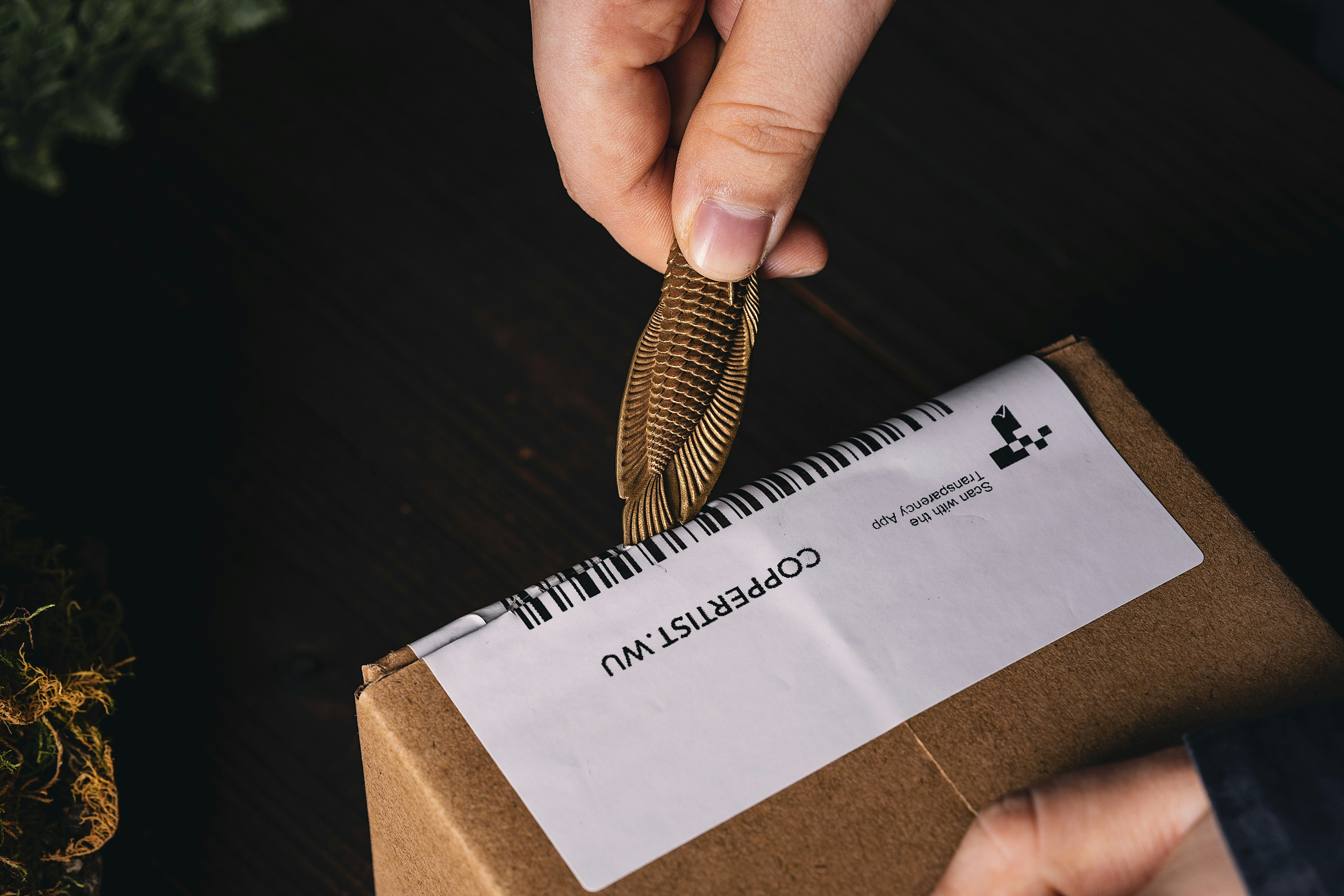
If your customer needs two hands, scissors, and a solid minute of frustrated pulling to access the product, you've traded security for hostility. Pull tabs and tear strips exist for a reason. Use them. They signal that you respect the person on the receiving end.
First order: beautiful branded box with tissue paper and a thank-you card. Second order: plain brown mailer, no insert, product loose inside. That whiplash is disorienting, and it quietly erodes the trust you built the first time. Keep it consistent. Even small variations trip people up.
The prettiest package in the world means nothing if it arrives four days late, soaking wet, or at the wrong house. The unboxing experience is the final act of your last-mile delivery chain, and every failure upstream poisons the moment downstream.
Dotcom Distribution found that 87% of shoppers said shipping speed influenced whether they'd buy from a brand again. Pair that with the 52% who said premium packaging drives repeat purchases, and the takeaway is clear: you need both. Fast and beautiful aren't competing priorities. They're both baseline expectations now.
After looking at dozens of standout unboxing programs, a few patterns keep showing up.
The best brands don't treat packaging as a container for the real thing. They treat it as a product in its own right. Apple is the cliche example, but the principle works at any budget. Every layer should feel like someone chose it on purpose.
The exterior gets noticed, sure. But the interior is where the private, one-on-one moment happens. A single short line printed inside the box lid ("Told you it'd be worth the wait" or "This one's for you") costs almost nothing and creates a tiny moment of connection that sticks. It's the packaging equivalent of a wink.
Counterintuitive, I know. But brands that tuck a prepaid return label or crystal-clear return instructions into the box actually see higher repurchase rates. Including reverse logistics info in the unboxing moment reduces the anxiety that keeps some people from buying freely in the first place. When returns feel painless, spending feels safer.
Nobody gets unboxing perfect on the first try. The brands that stay ahead are surveying customers about packaging, watching unboxing videos for patterns and complaints, and A/B testing insert cards and materials season over season. Packaging is a living thing, not a "set it and file it away" project.
It's the full sensory sequence a customer goes through when they receive, open, and interact with a package, from the first look at the outer box to the last insert card tucked inside. It covers the branded exterior, protective inner layers, the product reveal, and any extras like samples or handwritten notes. Done well, an unboxing experience builds an emotional bridge between the customer and the brand.
Online shoppers never get to walk through a physical store, so the package is often their only tangible brand interaction. Dotcom Distribution's research found 52% of consumers will likely reorder from brands that ship in premium packaging. A strong unboxing moment drives repeat purchases, sparks social sharing, and helps reduce buyer's remorse because the customer feels the purchase was "worth it" before they've even used the product.
Measurably, yes. Shoppers who feel valued during the unboxing moment develop stronger brand associations, and those associations translate into reorders. Combine that with reliable, fast shipping, and you've created a self-reinforcing cycle: good experience leads to loyalty, loyalty leads to more purchases, more purchases lead to more opportunities to deliver good experiences.
Start outside-in. Branded outer box or mailer first. Then protective inner packaging that looks intentional: tissue paper, crinkle cut fill, or molded inserts. Layer in a personalized card (handwritten-looking is best), a discount code for next time, or a small product sample. The specifics depend on your brand personality, but the underlying goal stays the same: make it feel like somebody packed this box with one specific customer in mind.
The range is wide. A branded sticker on a kraft mailer might add a few cents. A fully custom printed box with tissue paper, a belly band, and insert cards will cost more, but even at the higher end, packaging typically represents a small slice of total cost per order. Considering the data on repeat purchases and social sharing, the payback period on that investment tends to be short.
Some can. Many can't, at least not consistently. ShipBots handles this with dedicated account managers who sit inside the warehouse, within arm's reach of your inventory. Packaging instructions get followed on the floor, in real time, by people who can visually verify every order. That's a very different setup from a 3PL where your packaging spec lives in a PDF that nobody opened after onboarding week.
Think about how the box looks through a phone camera from above (that's the most common angle for unboxing shots). Use contrasting colors, a clean internal layout, and at least one branded visual element inside the box that gives the photo a focal point. A hashtag printed on the insert card is a gentle nudge without being pushy. The main rule: if the packaging looks good on a 6-inch screen, it'll get shared.
No, and honestly the opposite is often true. Recycled kraft boxes, soy-based inks, and compostable mailers have a texture and look that many customers associate with quality and intention. Dotcom Distribution found 66% of consumers pick brands based on sustainable packaging over other green factors. Responsible materials and polished design reinforce each other; they're partners, not tradeoffs.
That box sitting on somebody's porch right now, the one with your logo on it, is doing a job whether you planned for it or not. It's either building trust or chipping away at it, creating a fan or confirming a suspicion that your brand doesn't sweat the details. In an ecommerce world where acquiring a new customer costs more every quarter, keeping the ones you've already earned is the highest-leverage move available.
So when your next customer peels back the tape and looks inside, what's the story they're going to tell?
Ready to build an unboxing experience your customers actually remember? Get a free quote from ShipBots and let's make every single package count.




.svg)



.jpg)
.jpg)


.jpg)








.jpg)