Reverse logistics is the process of moving goods from their final destination back to the seller or manufacturer for returns, repairs, or recycling. Optimizing this flow reduces operational costs, captures lost value through refurbishing, and is a cornerstone of a sustainable circular economy.
In the high-stakes world of online shopping, your ecommerce warehouse needs to be just as good at taking stuff back as it is at sending it out. Think of it as the "backward" part of your supply chain. While most people obsess over the forward motion, the pros know that a solid pick and pack warehouse strategy includes a plan for when that package comes knocking on your door again. If you're running a shopify fulfillment operation, ignoring the return trip is a recipe for a very expensive headache.
Let's keep it simple: reverse logistics is the "oops" insurance of the retail world. It starts at the moment a customer decides they don't want what you sent them. Whether it's a sweater that’s three sizes too small or a gadget that arrived in twelve pieces, that item has to go somewhere.
Unlike forward logistics, where everything is predictable and moves in one direction, reverse logistics is chaotic. It involves receiving, inspecting, sorting, and then deciding if an item should be restocked, repaired, recycled, or tossed. According to data from the National Retail Federation, retail returns jumped to an average of 14.5% in recent years. That’s billions of dollars in merchandise flowing backward. If you don't have a plan, you're just watching money evaporate.
If you want to survive the "returns apocalypse," you need a repeatable system. You can't just pile boxes in a corner and hope they disappear. (Spoiler alert: they won't).
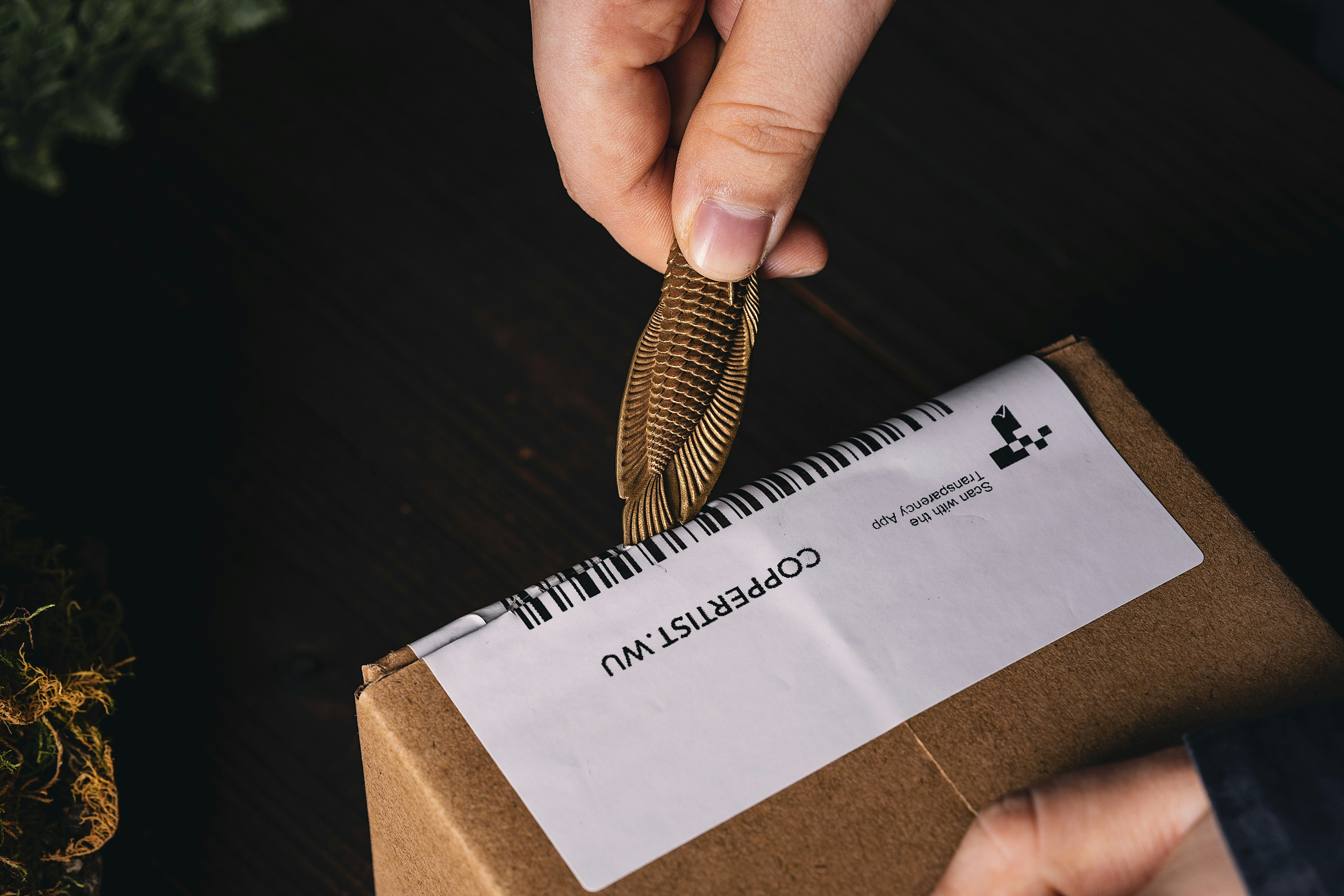
The clock starts the second the customer requests a return. This is where your returns management software kicks in. You need to authorize the return, identify the reason, and issue a shipping label. Speed is everything here. Nobody likes waiting three weeks for a refund.
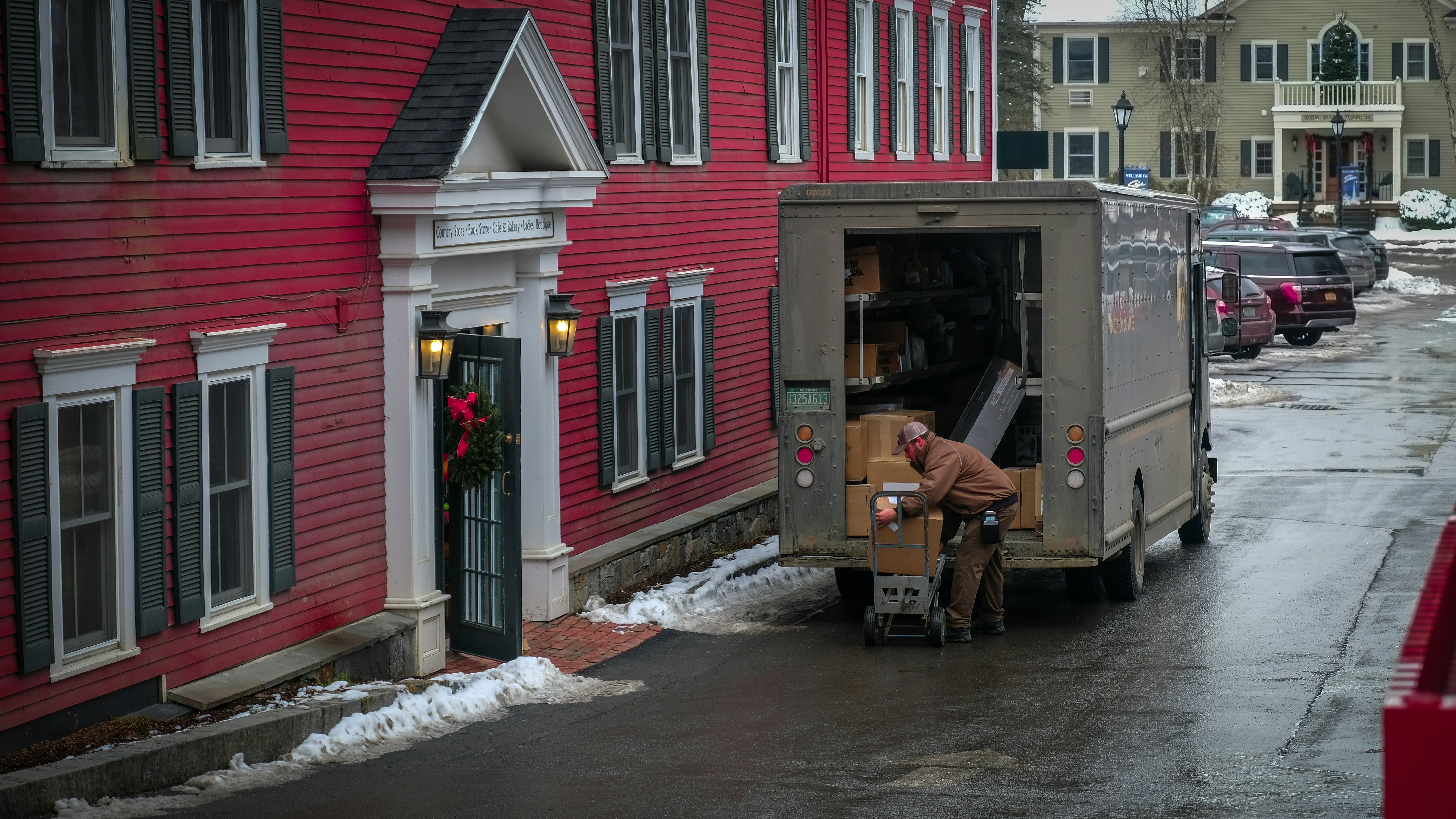
This is the literal "reverse" part. The item travels from the customer back to your ecommerce warehousing facility. This is often the most expensive part of the journey. In fact, Statista reports that the cost of processing a return can be up to 66% of the original item's price. Using warehouse shipping savvy to consolidate these returns can save you a fortune.
Once the box hits the dock of your pick and pack fulfillment center, it needs a pair of eyes on it. Is it still in the plastic? Is there a mysterious coffee stain on the sleeve? Sorting determines the item's destiny.
This is where 3pl kitting services or kitting and fulfillment teams can shine. If a product just needs a new box or a fresh battery, refurbishing it allows you to recoup some of that lost capital. This is a huge win for sustainability and your bottom line.
The final goal of reverse logistics management is to get some value back. Even if you can't sell it as new, can you sell the raw materials? Can you donate it for a tax write-off? Leaving value on the table is the biggest sin in supply chain management.
If you treat returns as a nuisance, you’re losing. If you treat them as an opportunity, you’re winning. It's really that binary.
A seamless return process is basically a love letter to your customers. Research from Invesp shows that 92% of consumers will buy something again if the returns process was easy. If you make them jump through hoops, they’ll go to your competitor.
The "take-make-waste" model is dying. Modern shoppers want to see a circular economy in action. By recycling or refurbishing products, you reduce the amount of junk in landfills and lower your carbon footprint. This is especially vital for apparel fulfillment companies dealing with fast fashion waste.
Why are people returning your stuff? If 40% of your fashion fulfillment returns are because the "Large" fits like a "Small," you have a manufacturing problem, not a logistics problem. Reverse logistics provides the data you need to fix your business from the inside out.
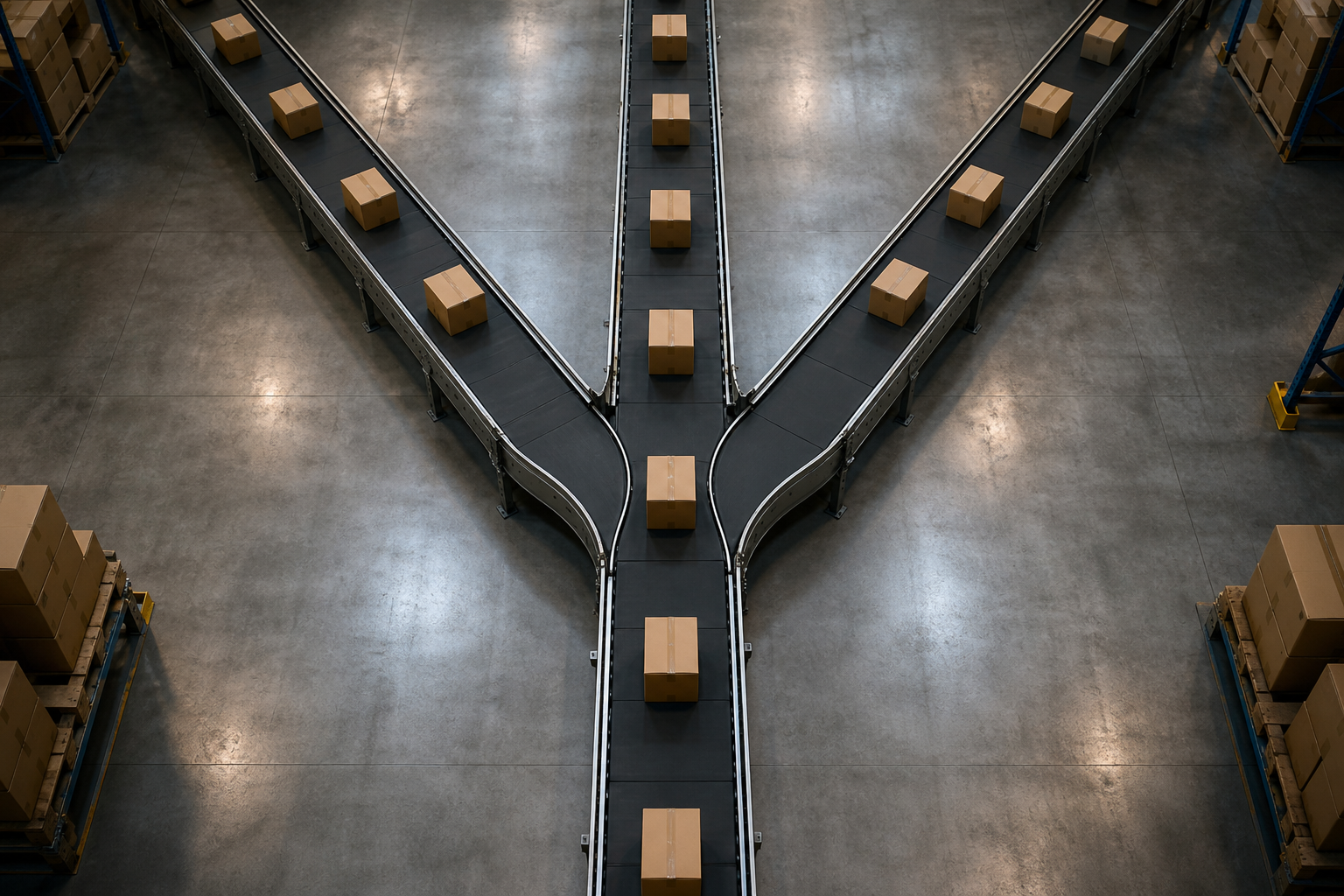
Think of forward logistics as a high-speed train on a fixed track. It’s organized, it’s fast, and everyone knows where it’s going. You use pick lists to get things out the door, and the goal is efficiency.
Reverse logistics is more like a game of Tetris played in a hurricane. You don't know when the items are coming back, what condition they’ll be in, or how much they’ll weigh. It requires a much more flexible warehouse management system to handle the unpredictability.
Let's be real: this stuff is hard. If it were easy, everyone would be doing it perfectly.
The "black hole" of returns is real. Often, a package enters the reverse stream and just... vanishes. Without proper stock control, you have no idea what's coming back or when.
Shipping a single item back to a warehouse is inefficient. Between the last mile delivery costs and the labor required to inspect the item, you can easily spend more than the item is worth.
Returns take up room. If your ecommerce warehouse is already at 95% capacity, a sudden surge in holiday returns can paralyze your operations. This is why many brands choose outsourcing in supply chain management to handle the overflow.
Not all returns are created equal. Depending on what you sell, your reverse logistics needs will vary wildly.
If you’re in the world of fashion fulfillment, you know the "bedroom fitting room" struggle. Customers buy three sizes, keep one, and send two back. This requires a lightning-fast inspection process to get those items back into work-in-process inventory before they go out of style.
For subscription box fulfillment, returns are often due to failed deliveries or address issues. Since these boxes often involve fulfillment kitting services, a return might mean you have to disassemble the whole kit to save the individual components. Check out our subscription box fulfillment guide for more on this.
Here, it’s all about asset recovery. You’re looking for valuable components, data wiping, and refurbishing. You might even need specialized Amazon FBA prep to get items back into the "Renewed" category.
Most small to mid-sized businesses aren't built to handle the complexities of a "backward" supply chain. This is where a 3PL fulfillment process saves the day.
A specialized partner provides:
The industry isn't standing still. We’re seeing a massive shift toward automation. From drone delivery fulfillment potentially handling small returns to AI-powered sorting robots, the "reverse" side is getting a tech makeover.
We’re also seeing a rise in "keep it" policies. For low-cost items, some retailers find it's cheaper to just refund the customer and tell them to donate the item. While this saves on warehouse shipping, it’s a data-driven decision that requires a deep understanding of your cost per unit.
Keep an eye on top fulfillment trends shaping 2025 to stay ahead of the curve. The brands that master the return trip will be the ones that dominate the market.
You’ve got to stop thinking of returns as the end of the road. It’s more like a U-turn that leads back to a sale. If you're sweating over supply chain forecasting or trying to figure out your ending inventory formula, you can't leave the "reverse" part out of the math. It’s all connected.
Why are we still treating the back-end of the business like a forgotten stepchild? We obsess over overnight shipping and getting things out the door in a blink of an eye, but then we let returns sit in a dark corner for a month. It doesn't make sense. It’s like running a marathon but stopping ten feet before the finish line because you’re tired of moving.
Whether you’re selling vitamins via supplement fulfillment services or managing a complex B2B vs B2C supply chain, the reverse flow is your secret weapon. It’s where you find out what’s actually wrong with your product. It’s where you prove to your customers that you aren't just a faceless website, but a real business that stands by its stuff.
So, are you going to keep let those returns pile up like a game of Jenga gone wrong, or are you going to turn that "backward" motion into forward progress?
Ready to stop the returns headache? Sign up with ShipBots today and let us handle the heavy lifting. →




.svg)




.jpg)
.jpg)




.jpg)












.jpg)