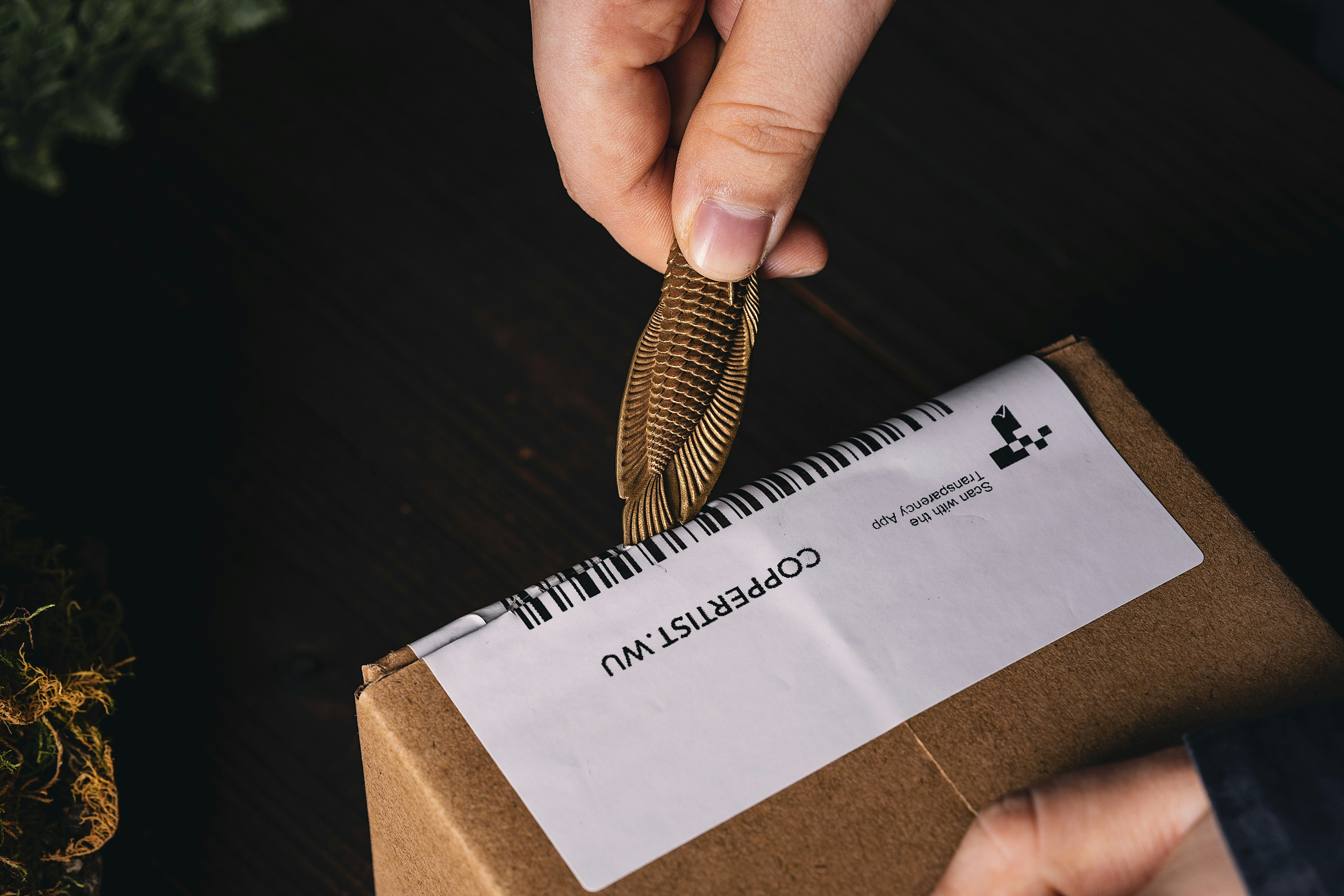
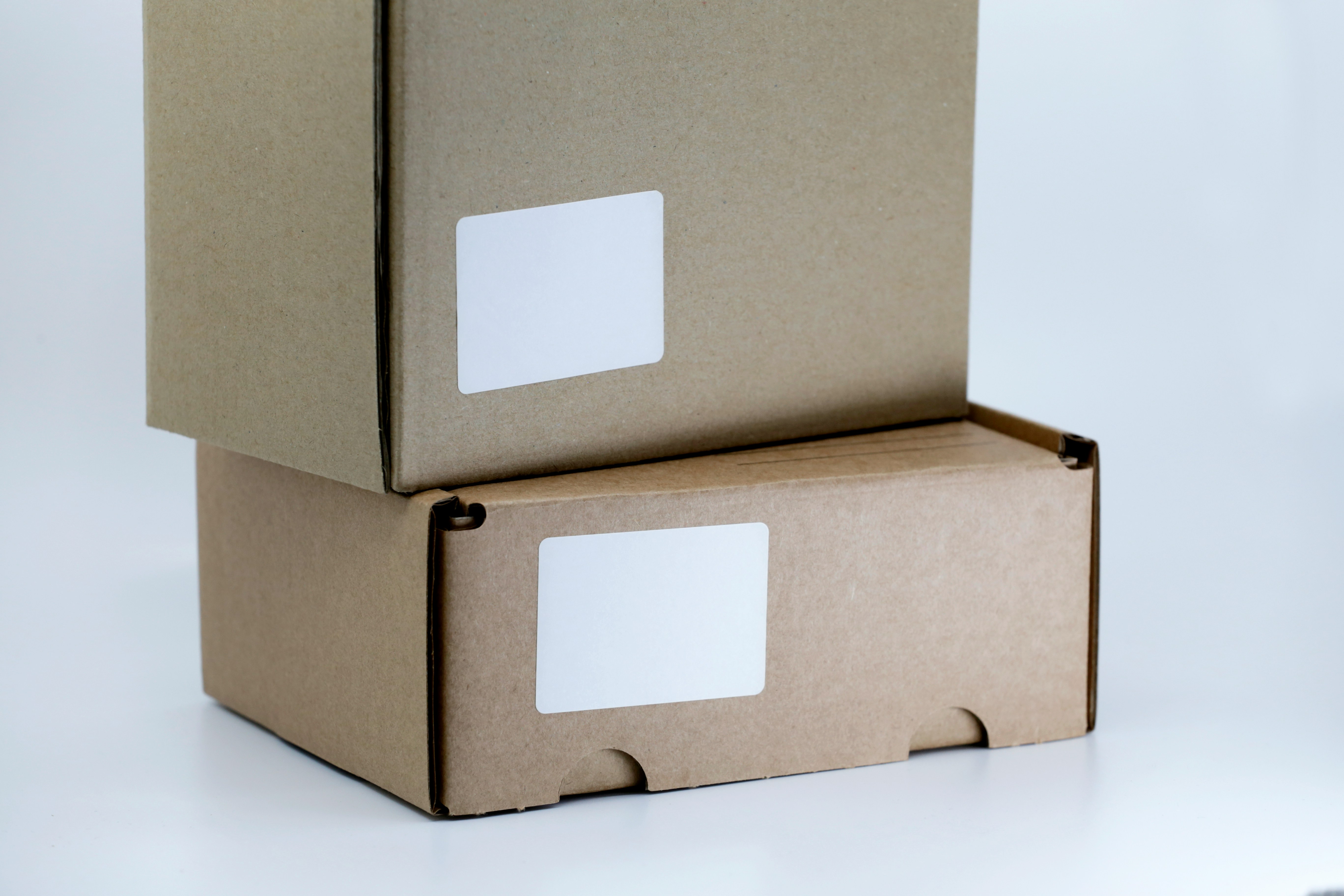
A shipping label carries all the information carriers need to deliver a package accurately and on time. You create one by gathering order data, choosing a carrier, generating a label in the correct format, printing it cleanly, and making sure it's placed properly. When shipping labels are created correctly, your fulfillment workflow runs faster, smoother, and with fewer headaches for everyone involved.
A shipping label looks simple at first glance, but it is essentially a passport for your package. Without it, your product sits lost in an ecommerce warehouse hoping someone telepathically knows where it belongs. With it, your order moves through automated conveyor belts, scanners, sorting hubs, trucks, planes, and a final delivery route that relies on precise instructions.
The label ties directly into how your orders flow through a pick and pack warehouse and how fast your Shopify fulfillment gets packages out the door. If anything on the label is off, your customer ends up refreshing tracking information like it's a live sport.
Shipping labels may not be glamorous, but they quietly run the entire ecommerce universe.
Shipping labels are designed so machines and humans can read them without confusion. Every part has a job.
This shows exactly where the package needs to land. Carriers follow standardized formats so their systems can parse address data quickly.
A return address prevents packages from drifting into shipping limbo when something goes wrong.
These barcodes instruct scanners on routing paths, service levels, and package identification. Carriers commonly use formats such as USPS IMpb, UPS Maxicode, DHL 2D barcodes, and FedEx Ground 96.
This number ties to a digital record of every scan event along the journey.
Internal carrier codes help automated systems funnel the package along the proper network.
Carriers build pricing and routing decisions on this data.
For more info on overseas packaging, see Royal Mail parcel sizes and prices.
Examples include:
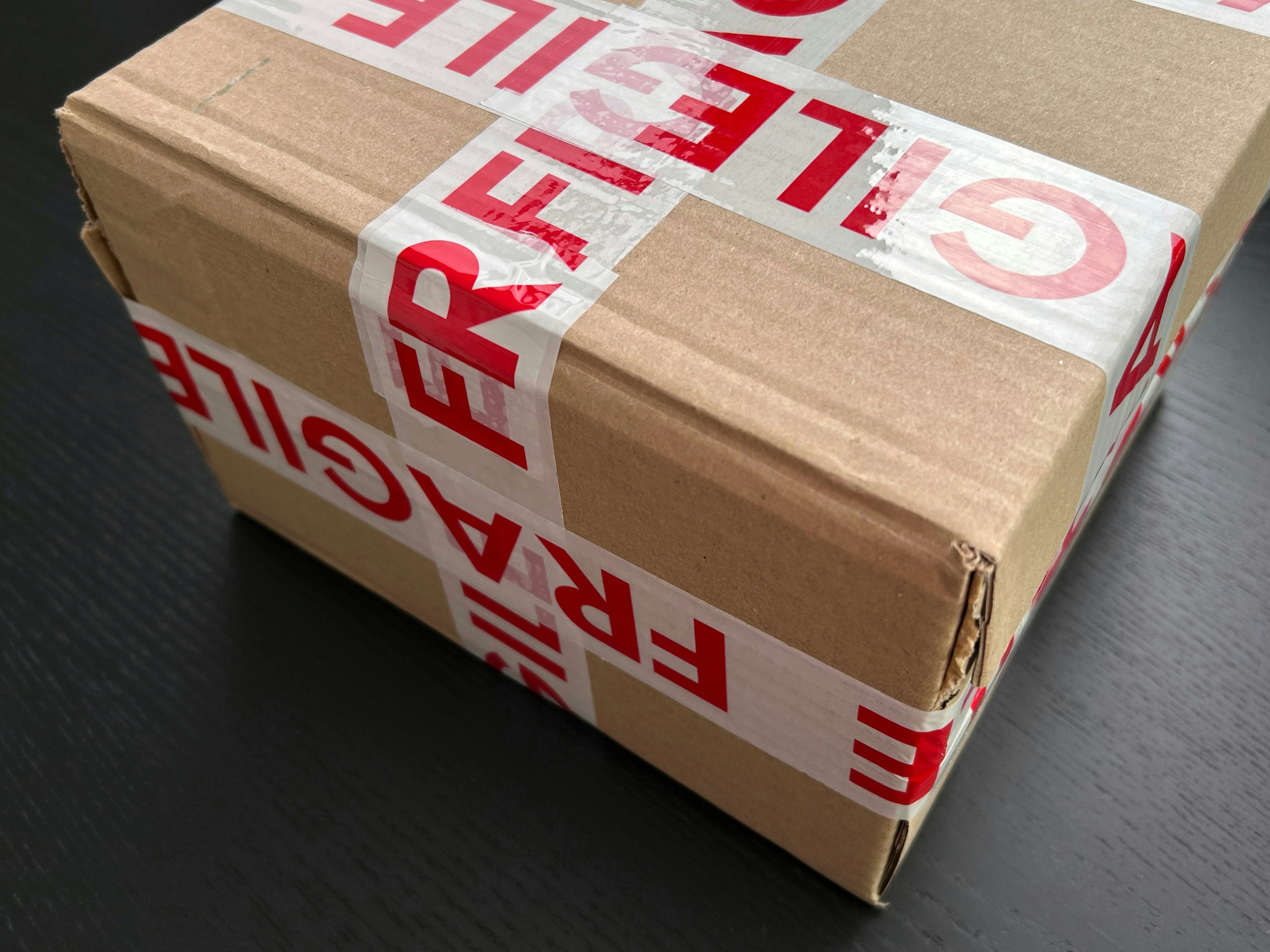
Fragile items, perishables, or regulated goods require visible icons or phrases.
Each component is placed intentionally so carriers can process packages at high speed without stopping for clarification.
A shipping label acts like instructions out of a choose your own adventure book, except the stakes are higher because people get weirdly emotional about their online orders.
Here is what happens once your label is created.
The ecommerce platform or fulfillment system creates the label based on order information. If you use a 3PL, this often happens automatically inside their workflow. You can explore how these processes unfold in stages of a 3pl fulfillment process.
Most operations use thermal printers because inkjet printers fade, smudge, and create chaos. Clean printing ensures barcodes stay readable.
The first scan activates tracking, officially bringing the package into the carrier’s system.
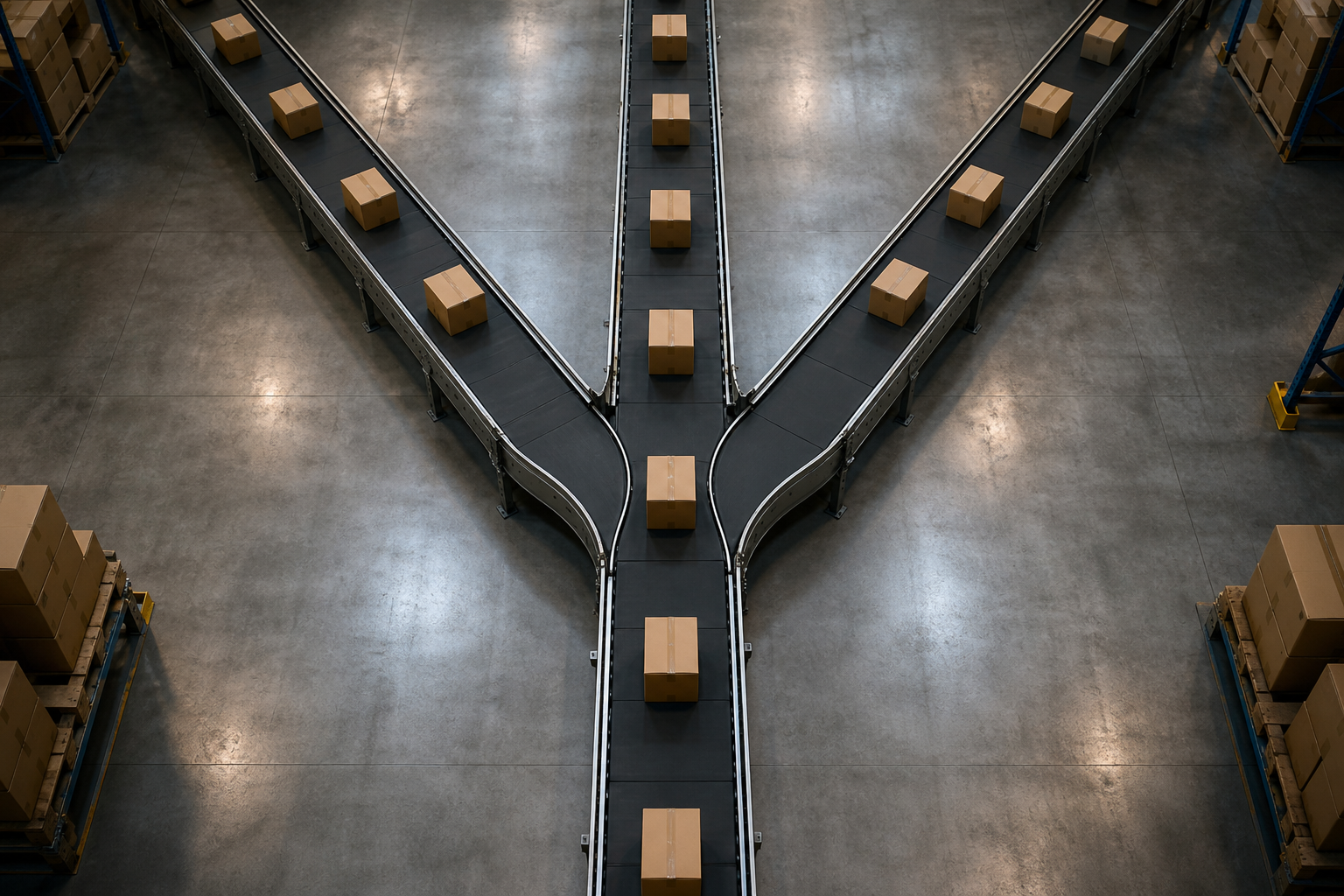
Automated sorters scan barcodes and route packages along conveyors. If the label is crooked, wrapped around a curved surface, or covered in tape, the sorting system will struggle. Packages that fail automated scanning move into manual processing, which slows everything down.
The destination facility re scans the label and assigns it to a driver’s route. Carrier mapping tools rely heavily on the zipcode and routing codes printed on the label.
The package arrives at the customer's door, hopefully not camouflaged inside a bush or left in a location only a mountain goat could reach.
If you're curious about the mechanics of last mile distribution, you can dive into last mile delivery afterward.
Different shipments call for different label formats.
Used for packages staying within the same country.
Include customs declarations, product descriptions, tariff codes, and commercial invoices. When shipping duty paid items, this often overlaps with workflows seen in DDP shipping.
Pre generated so customers can send items back without needing help.
Durable, clean, and preferred across the ecommerce world.
Packing slip and shipping label on a single sheet for simpler order handling.
Used in mobile shipping workflows, apps, or platforms such as passport shipping.
Each label type has its own carrier standards and printing requirements.
Creating a shipping label should not require caffeine fueled panic. Follow this sequence and you will never struggle again.
You'll need:
These details often come from systems like WooCommerce fulfillment or Magento fulfillment.
USPS, UPS, FedEx, DHL, and regional carriers each have their own label standards.
Think about customer expectations. A recurring program using subscription box fulfillment may benefit from predictable service levels every cycle.
This usually happens through your ecommerce platform, carrier software, or integrated fulfillment system. Tools like Fulfilio integrations or Loop fulfillment often automate this part.
Thermal printers produce crisp, long lasting labels that scanners can read easily.
Flat surface, sharp contrast, no wrinkles. Place the label on the largest, most stable face of the package.
Always check that the tracking number registers correctly before the package leaves your facility.
These errors show up in warehouses every day and can derail an otherwise smooth operation.
A creased label can sabotage a clean scan.
Each carrier has its own rules.
Carriers audit shipments and adjust fees accordingly.
Glossy surfaces create reflection issues.
Inkjet smudges and fading text are not scanner friendly.
Packages without a return path often get pulled from circulation.
If the label says ground but the customer expects two day, prepare for fireworks in your inbox.
If you want to strengthen internal processes around accuracy, check out pick lists 101 or learn how warehouse structures influence label flow in types of warehouses.
Shipping labels connect to almost every stage of ecommerce operations.
Inside a warehouse, the shipping label dictates:
Operations involving kitting and fulfillment services or products that belong to apparel brands working with fashion fulfillment depend on consistent label formatting to keep workflows moving efficiently.
Operation wide forecasting also influences label batches, explored in deeper logistics articles such as supply chain forecasting.
Barcodes are not decorative. They pack a remarkable amount of information into small spaces and help scanners move packages quickly across facilities.
Common on USPS and UPS labels.
Encode more data and handle faster scanning.
A circular code used heavily for high speed routing.
International standards that unify barcode structure across global commerce.
Carrier efficiency depends heavily on barcode clarity. A faint print or partial cutoff can push the package into manual review.
International shipments require additional data because customs agencies need to verify:
Labels include tariff codes, product descriptions, and sometimes multiple pages of accompanying forms.
Product categories tied to nutraceutical fulfillment often require precise wording, because customs agencies do not enjoy guessing games.
Once you hit around twenty shipments a day, manual label creation feels like solving a puzzle with missing pieces. Automation becomes your new best friend.
Automated rules help determine:
This becomes critical across complex networks like bigcommerce fulfillment and even more so when processing tiktok shop returns.
If you aim to reduce waste or track emissions, your shipping labels play a role in how packaging moves through sustainable programs.
Initiatives like ShipBots sustainability practices show how thoughtful label choices can reduce material use and improve recycling compatibility.
Carriers reject labels for predictable reasons.
Tape glare confuses scanners.
Minimum sizes exist for a reason.
Poor contrast means extra manual work.
Margins affect automation.
Machines expect flat planes.
Especially common with cold chain products handled through temperature control fulfillment warehouse systems.
A label that is formatted correctly speeds up delivery at every stage.
Inside a warehouse:
Inside a carrier network:
Delivery routes depend on exact zip codes and routing codes, topics that connect to broader concepts covered in outsourcing in supply chain management.
People underestimate how often label placement sabotages fulfillment.
Run a weekly test sheet to confirm clarity and contrast.
Flat, straight, and centered.
Keep label dimensions consistent across all boxes.
This rule saves countless hours downstream.
Use handheld scanners to confirm readability.
If your SKU details are inaccurate, your shipping labels mirror those errors.
To tighten up your data, explore:
Good data builds good labels.
Carriers are exploring digital label systems that generate routing information on the fly, reducing printing waste and enabling dynamic rerouting.
Platforms like Amazon FBA prep workflows and ChannelAdvisor fulfillment already integrate these concepts.
Your team should not manually build labels if you have:
These situations align closely with more advanced fulfillment guides such as pick and pack fulfillment and ecommerce fulfillment guide.
Manual labels in these scenarios cause bottlenecks your team definitely feels.
A shipping label is correct when it has:
Follow this checklist and your parcels glide through carrier systems instead of stumbling through them.
If you want labels that never stall, never misroute, and never leave customers guessing, partnering with a fulfillment team that handles this daily makes everything easier. Clean workflows begin with accurate data, solid processes, and consistent execution.
When you’re ready for stress free shipping, smooth operations, and labels that behave themselves, you can start here.




.svg)




.jpg)
.jpg)




.jpg)














.jpg)