Selling nutraceutical products comes down to five things: a compliant, well-formulated product, a sales channel your customer already buys from, storage and fulfillment that doesn't degrade what's inside the bottle, pricing that survives shipping, and a brand people reorder. Get those right and you're in one of the biggest categories in ecommerce. Get the compliance or fulfillment piece wrong and one bad lot can end the brand you spent two years building.
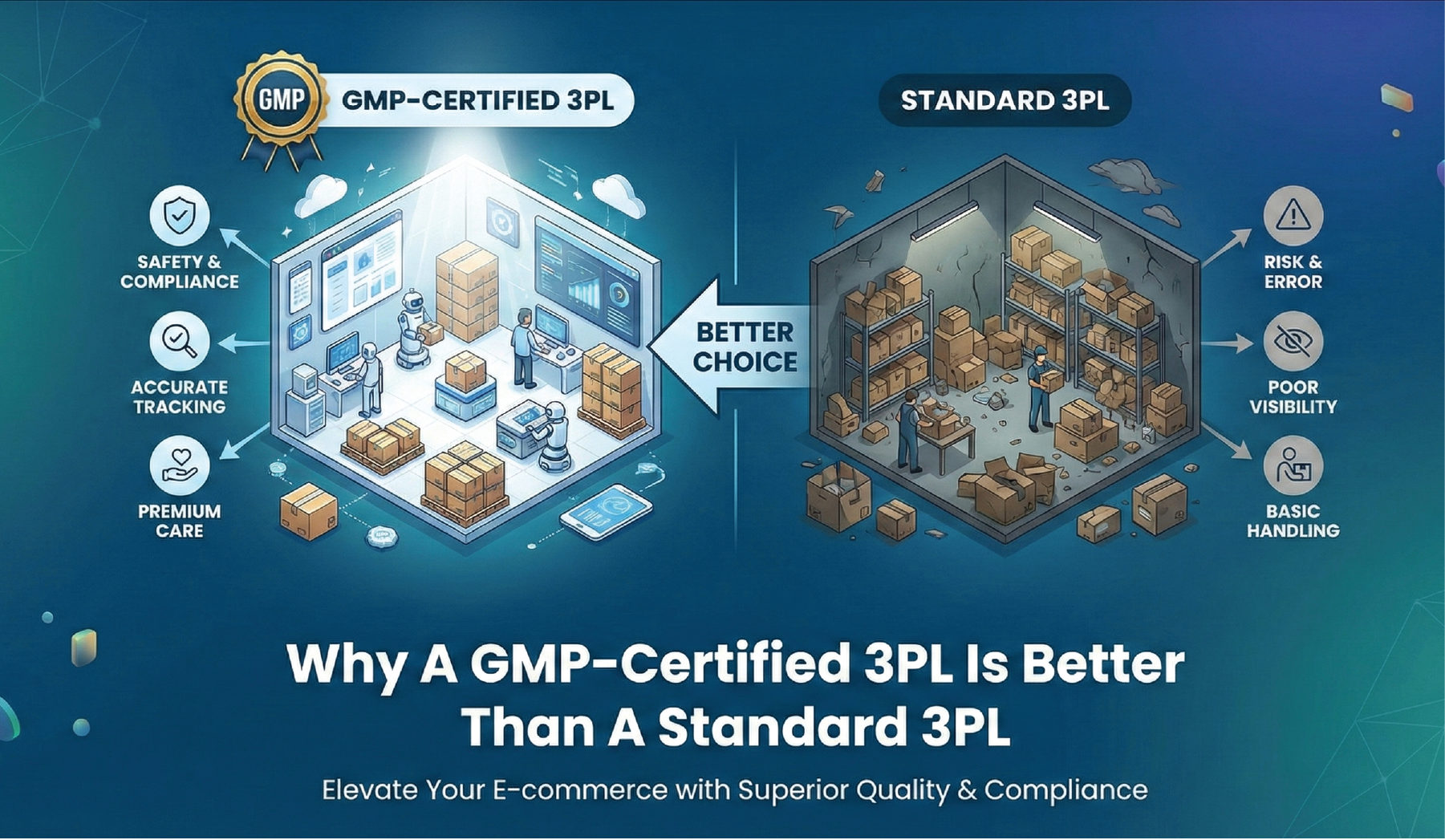
Supplements aren't t-shirts. They're ingestible. They're FDA-regulated. They expire, they separate, gummies melt in a hot truck, probiotics die without temperature control, and every unit has to be traceable to a lot number the day a recall hits. That's why the back end decides whether you scale or stall. Handle it yourself at first or hand it to supplement fulfillment services on day one, but decide it on purpose. Shipping ingestibles out of a warehouse that's great at sneakers and clueless about lot tracking is how brands end up fielding "this expired" emails. An FDA registered 3PL for dietary supplement fulfillment running GMP certified fulfillment is the floor, not the upgrade.
The demand is not in question. The global dietary supplements market was estimated at USD 209.52 billion in 2025 and is projected to reach USD 228.24 billion in 2026, per Grand View Research. People are buying vitamins, botanicals, protein, greens powders, and functional blends online faster than almost any other retail category.
That pulls in thousands of new sellers, and it pulls in federal attention. More competitors, more ad cost, more ways to get the operational side wrong. Winning here isn't a viral product. It's a system that sources clean, stays compliant, ships accurately, and earns the second order. Here's how to build it.
Compliance is the boring part that protects everything else. In the U.S., supplements fall under the Dietary Supplement Health and Education Act (DSHEA). The FDA doesn't approve supplements before they hit the market the way it approves drugs. It sets the rules for manufacturing, labeling, and claims, and it comes after you when you break them.
Non-negotiables before you list anything:
Your product gets made in a facility following current Good Manufacturing Practices. That standard doesn't stop at the factory door, which is why cGMP compliance in the warehouse holding your inventory matters just as much.
Supplement facts panel, net quantity, ingredient list, the required disclaimer. Get one wrong and you're in recall territory.
You can say a product supports a structure or function of the body. You cannot say it treats, cures, or prevents disease. Keep the FTC's advertising guide for the supplement industry open while you write product copy. The line is thinner than founders think.
If any SKU touches prescription or regulated territory, know the rules on whether you can even mail medication before you build a workflow around it.
Here's what new sellers miss. A spotless manufacturer means nothing if the product then sits in a non-compliant warehouse. Supplements need controlled conditions, lot and expiry tracking, and a chain of custody that survives an audit. Plenty of 3PLs say they handle that. Fewer enforce first-expired-first-out at the pick face instead of grabbing whatever bottle is in front. The day the FDA asks which customers received lot #4471, you need an answer in minutes, not a spreadsheet and a prayer.

The supplement aisle is brutal. Brands that win pick one edge and lean on it: a clean, credible formula, a specific audience they actually understand, or a format that's easier to take than a horse-pill capsule. Pick one. Don't try to be all three on launch.
Pressure-test demand before you commit cash to inventory. Look at what's selling, not what's trending for a week. Our read on high demand products to sell is a decent place to gauge category momentum. Then order your first run conservatively. Supplements expire. Over-buy a slow mover and you've got cash sitting on a shelf with a clock on it.
Lithium batteries lose capacity and life cycle when stored above ~25°C / 77°F or in high humidity. For higher-value SKUs or long storage cycles, a temperature-controlled fulfillment environment isn't a luxury , it's a way to protect the warranty experience your customers paid for.
You don't need to be everywhere. You need to be where your customer already buys supplements. Most brands run some mix of these.
Best margins, full control of the relationship, and the data you need to drive reorders. Shopify is the default because it's flexible and plugs into fulfillment cleanly. Connect the store to Shopify fulfillment and orders sync on their own, inventory updates in real time, and you stop packing boxes at midnight.
Amazon is where a huge share of supplement discovery happens. FBA works, but the fees and inventory caps push most brands to a hybrid. Run Amazon FBA prep through a 3PL, ship the rest direct, and you keep marketplace reach without handing your whole operation to one platform's rules.
Wellness moves fast on social. One creator video can spike orders overnight. That's a gift only if your back end can absorb it. TikTok Shop fulfillment that ships same-day is the difference between a moment that builds the brand and one that buries you in late shipments and refunds.
Once you've got traction, gyms, pharmacies, and specialty retailers come knocking. Totally different order profile: bigger, palletized, with routing guides and labeling rules that don't forgive mistakes. Retail fulfillment that runs B2B alongside your DTC orders lets you serve both off one inventory pool instead of two operations.
Plenty of brands set a retail price, admire the markup, and watch shipping eat it alive. Build the price off the real stack:
Shipping is the line that ambushes people. Protein tubs and multi-bottle bundles are dense and heavy, so carrier surcharges pile up fast. A 3PL that rate-shops every label across carriers and passes the discount through is the difference between a margin you modeled and a margin you actually keep. Know your full landed cost per order, insist on volume-based pricing with no hidden fees, and set a number you can actually live with.
Supplements are a reorder category by nature. Someone finishes a bottle and buys again, or they don't. That makes everything after checkout your biggest growth lever, and it's the part most brands underspend on.
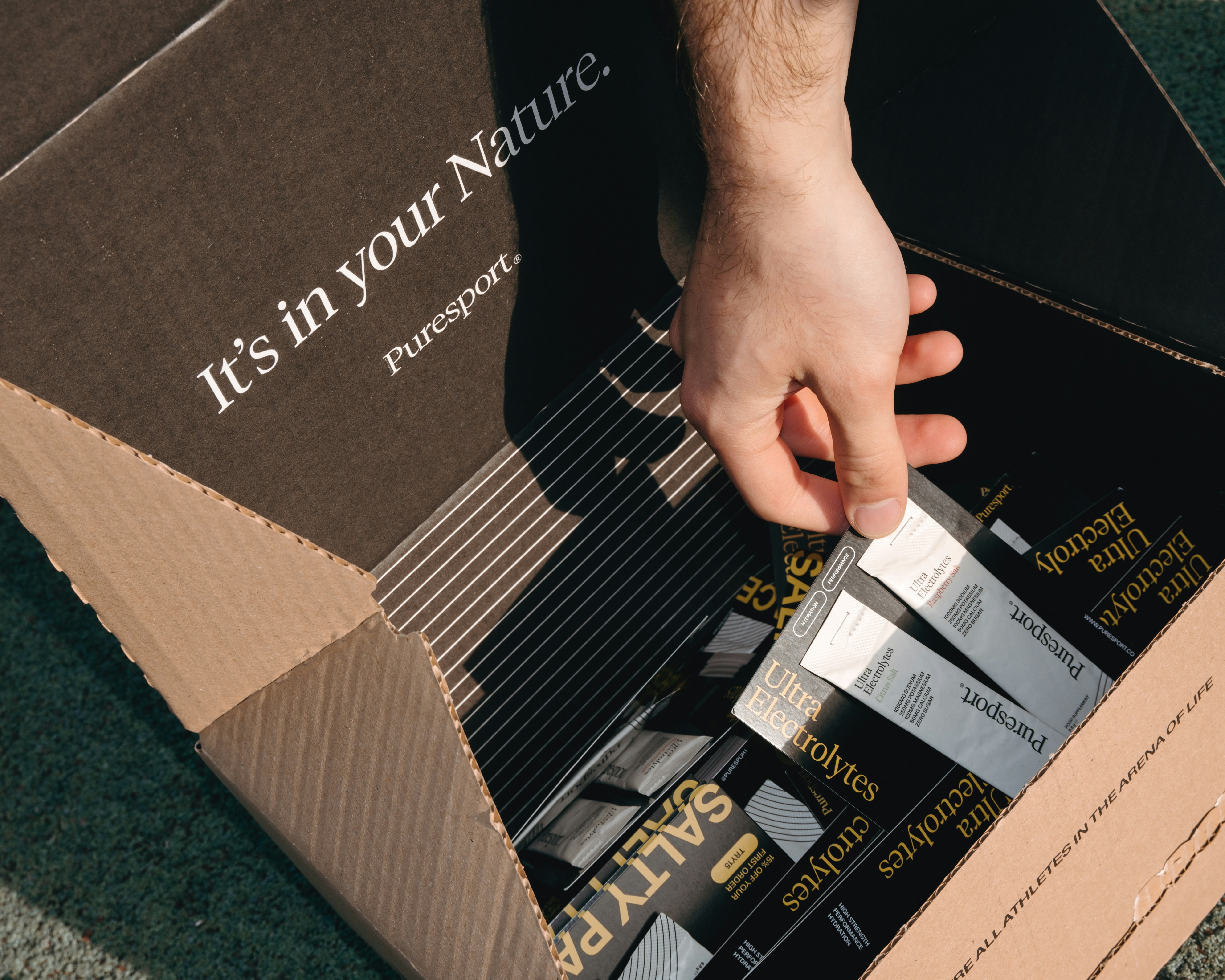
A clean unbox tells the customer the thing inside is trustworthy before they've taken a single dose. Inserts, dosage guides, branded packaging, a presentation that doesn't look like it shipped from a garage. A strong unboxing experience earns the repeat purchase and the social post that brings the next customer.
Multi-bottle bundles lift average order value. Subscriptions turn one sale into recurring revenue. Both fall apart if assembly is sloppy. Subscription box fulfillment and real kitting and assembly services let you ship curated combinations, seasonal packs, and promo sets without your team hand-building orders the night before a launch.

Best product, slickest storefront, and you can still lose the customer at the warehouse. Supplements demand things a generic 3PL doesn't do.
Accuracy by lot and expiry. Every unit tracked by lot and expiration, picked first-expired-first, shipped to the right address. ShipBots runs a 99.999% accuracy rate. For something a customer is going to swallow, that isn't a vanity stat. It's how you avoid mailing an expired bottle to someone's mother.
Speed people now expect. 99.9% of orders ship the same day, and inbound clears a 48-hour dock-to-stock guarantee. A creator spike on Tuesday doesn't become a backlog on Friday.
Built for direct-to-consumer fulfillment. DTC supplements live or die on fast, accurate, repeatable shipping. That's the workflow a purpose-built fulfillment center is designed around, not a thing a furniture warehouse bolts on.
And the tech only counts if a person stands behind it. Every ShipBots client gets a dedicated account manager who sits inside the warehouse, not in a call center two time zones away. When a lot needs checking or a batch has to go out early, they walk over, put eyes on the actual SKU, and call you back by phone, email, Slack, or SMS, including weekends.
The whole point of the system above is that it holds at volume. Going from 100 bottles a month to 10,000 shouldn't mean rebuilding your ops or cutting corners on compliance. Real-time inventory visibility, automated batch and lot tracking, low-stock alerts, multi-channel sync. That's what lets you climb without sinking cash into your own warehouse and staff.
It also keeps you flexible. No long-term contracts, simple volume-based pricing, and a partner that re-earns the business every month through performance, not legal language. Say yes to a new channel or a big retail order without renegotiating your entire setup. As a Shopify Plus Partner, Inc. 5000 honoree, FDA-registered, GMP Certified, NSF International facility, ShipBots has been built for regulated SKUs since 2010, by a founder who ran his own ecommerce brand and wanted the fulfillment he couldn't find.
No. The FDA doesn't pre-approve dietary supplements the way it does prescription drugs. You're on the hook for making the product under cGMP, labeling it correctly, and avoiding disease claims. The FDA's dietary supplements guidance spells out the requirements, and staying inside them from day one is far cheaper than fixing a warning letter later.
In a clean, controlled environment with temperature management and lot-level tracking, not a general warehouse. Vitamins, probiotics, gummies, and botanicals degrade in heat and humidity, so temperature-controlled fulfillment protects both the formula and your compliance position. A GMP-certified facility also gives you a defensible chain of custody if anyone ever asks.
Yes, and supplements sell well across borders, but you'll manage customs, duties, and country-specific labeling. International shipping with DDP (Delivered Duty Paid) kills the surprise fees that make customers refuse a package, and shipping from near the Ports of Los Angeles and Long Beach trims transit time for import-heavy brands.
It depends on order volume, product size and weight, storage needs, and how much kitting is involved, so there's no single sticker price. Work with a partner on transparent pricing by volume with no hidden fees so you can calculate true landed cost per order. Heavy SKUs like protein tubs ship for more, which is exactly why carrier rate-shopping matters to your margin.
Both. Your DTC store gives you the best margins and the customer data for retention. Amazon and TikTok Shop drive discovery you can't replicate on your own. Most brands that scale run a hybrid, and a 3PL that fulfills every channel off one inventory pool means you choose your channels on strategy, not on operational limits.
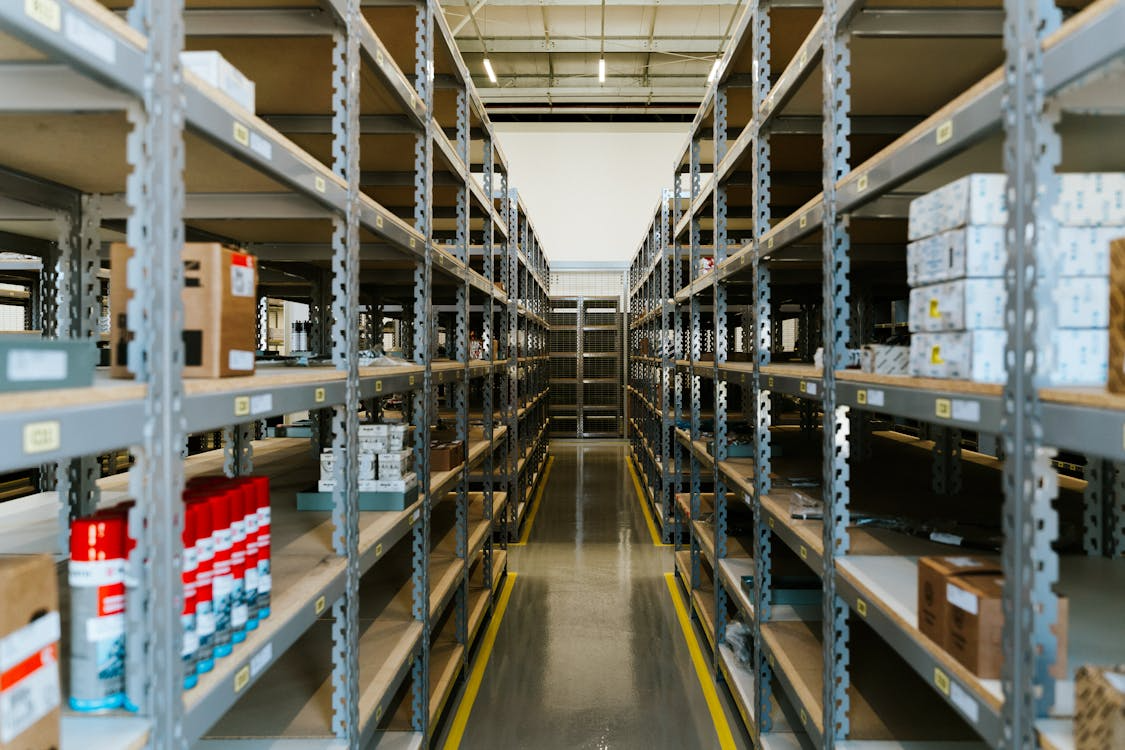
You've got the product and the market. What decides whether you scale clean or stall out is the back end, and that's the part we live in every day. Purpose-built nutraceutical fulfillment keeps your supplements compliant, accurate, and shipping same-day.
Get an instant quote mapped to your volume and we will show you exactly how.




.svg)




.jpg)
.jpg)





.jpg)

















.jpg)