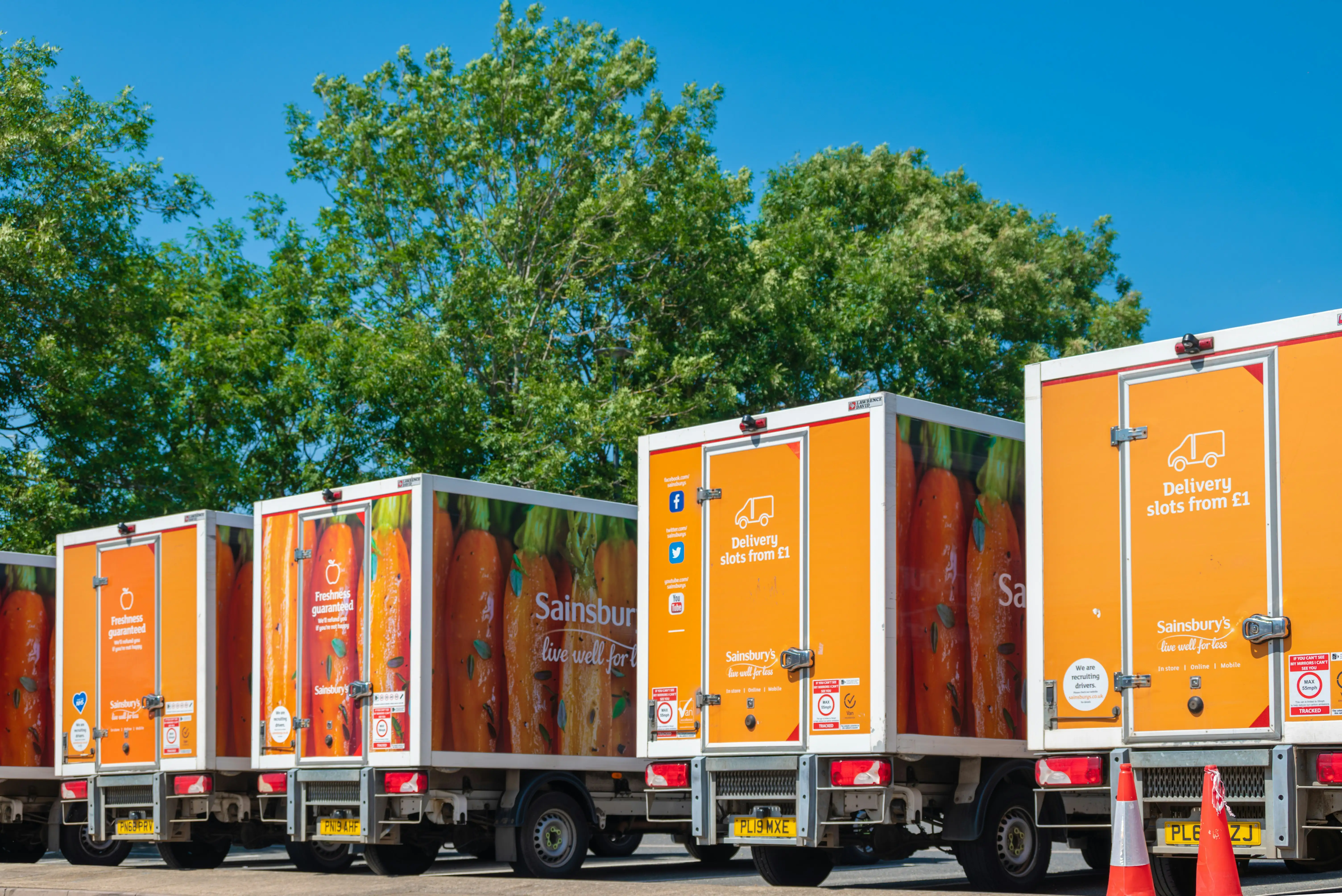
If your product carries a USDA organic label, the warehouse that touches it needs its own USDA National Organic Program (NOP) certification the moment it does anything beyond store a sealed box. Open a case to build a bundle, relabel a pallet, kit a sample into an order, and the exemption most warehouses rely on disappears. So does your organic claim, unless the facility handling that step is certified too.
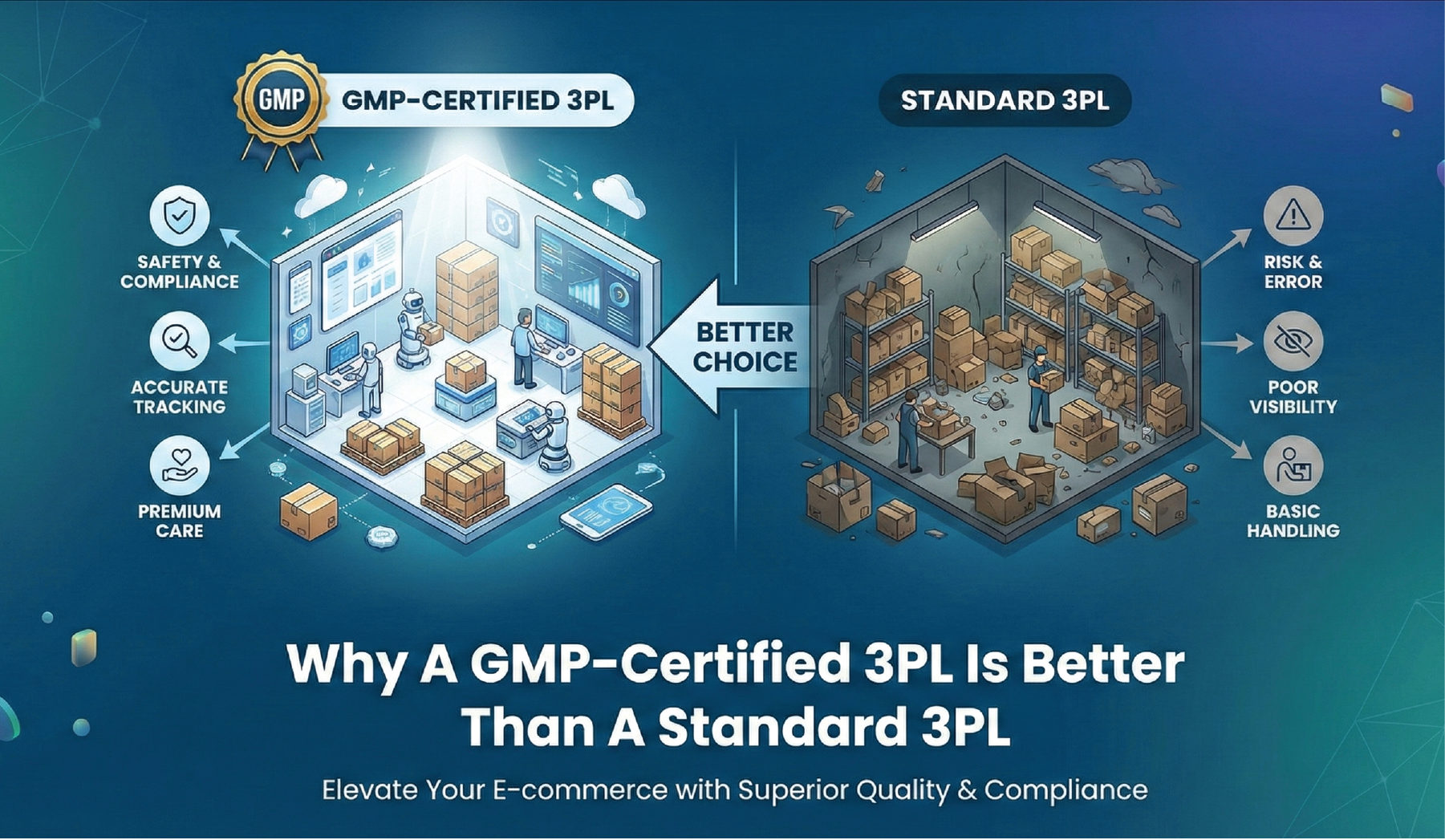
That's the part a lot of food and beverage brands miss when they're shopping for a 3PL. ShipBots runs a GMP certified fulfillment warehouse built around this exact problem: lot tracking, sanitation controls, and paperwork that holds up when an inspector shows up without warning. Supplement brands using our nutraceutical fulfillment services run on the same systems, and it all sits on top of the order fulfillment services every ShipBots client gets, just with a stricter regulatory bar bolted on.
The USDA doesn't let a warehouse call itself organic certified. It has to earn that through certification, and the requirement kicks in for basically any operation that receives, stores, or ships organic product. The USDA Agricultural Marketing Service defines a handling operation as any business that acquires agricultural products and processes, packages, or stores them. Unless you're specifically excluded, you're covered.
There's an exemption, and it's narrower than most brands assume. A warehouse can skip certification only if the organic product never leaves its original sealed packaging while it's on-site. Nothing opened. Nothing relabeled. Nothing repacked into a kit. The second a facility breaks a case to build a subscription bundle or assembles a mixed pallet for a retail account, that exemption is gone. The Federal Register's Strengthening Organic Enforcement rule spells this out directly: a warehouse that opens or relabels packaged organic product causes it to lose certified organic status, full stop, and anyone downstream can't represent it as organic either.
“We store food" doesn't cut it if your fulfillment partner is kitting, bundling, or repackaging anything you sell.
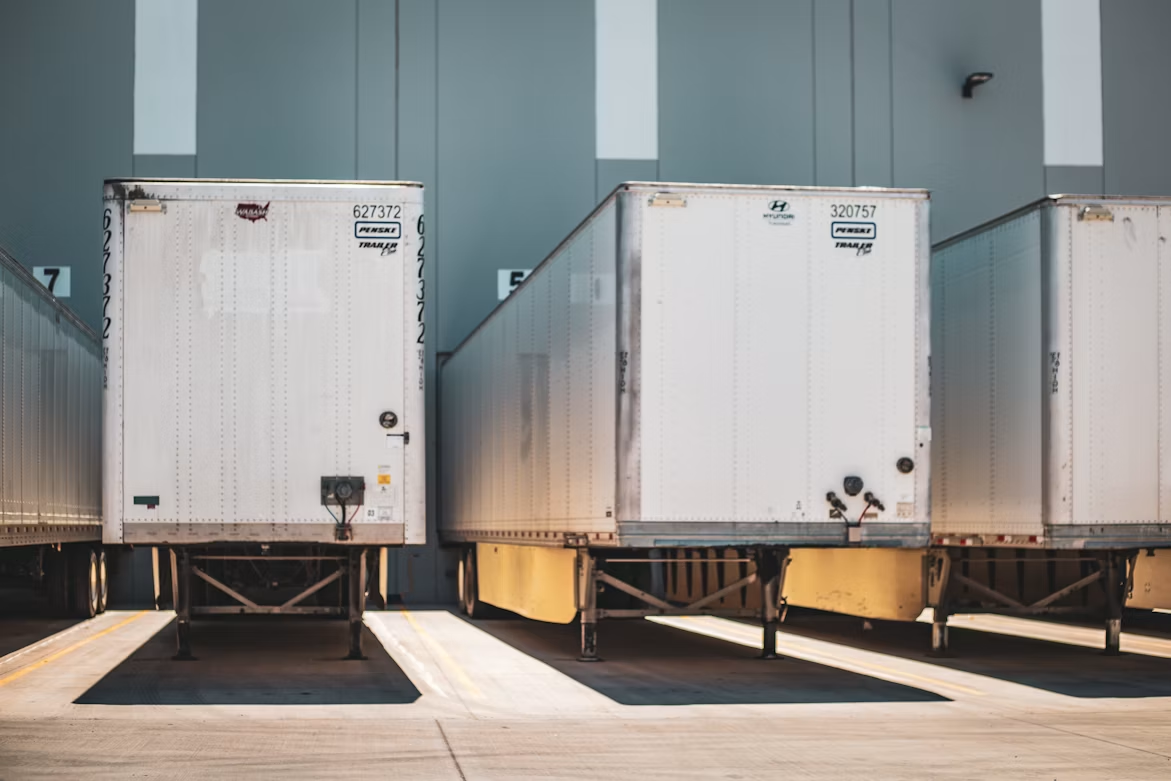
A lot of 3PLs will tell you they can handle food. Fewer of them have actually built for it, and the gap usually doesn't show up until something goes wrong, an FDA visit, a customer complaint, a recall notice from a supplier upstream.
Temperature and humidity matter more here than almost anywhere else in fulfillment. Heat kills flavor and shelf life fast, and it's one of the first things a certifying agent checks during an inspection. Lot-level tracking matters too, and not in a loose sense. Certified handlers have to trace product back through the supply chain using bills of lading, lot numbers, and transaction certificates, so if a batch problem surfaces, the warehouse can tell you exactly which lot went to which customer in minutes instead of days.
Then there's FEFO. First-Expired, First-Out picking logic keeps older stock moving ahead of newer stock automatically, which matters a lot when you're shipping something with a shelf life, whether that's a supplement, a cold brew, or a bag of granola. And underneath all of it, recordkeeping that would actually survive an unannounced audit, not just look fine on a scheduled walkthrough.
A certified handler has an approved organic system plan, documented procedures, real separation between organic and conventional inventory, and traceability tied to every lot. This isn't paperwork for its own sake. Civil penalties for representing mishandled or uncertified product as organic run into the thousands of dollars per violation, and that's before you factor in what a mislabeled shipment does to a brand's reputation with its own customers.
There's a second layer most people don't think about until it bites them: FDA food safety rules. Organic handlers under FDA oversight also have to comply with Food Safety Modernization Act preventive controls, which treats temperature as a critical control point anywhere pathogen growth is a risk. A warehouse built for regulated food products has to satisfy both the organic program and FSMA at the same time. A facility that only thinks about one of them has a gap somewhere, even if nobody's found it yet.
Organic certification and GMP certification are two separate programs, but in a working warehouse they end up covering a lot of the same ground. GMP protocols are what make day-to-day organic compliance actually manageable: clean stations, trained staff, documented procedures, quarantine for anything that fails inspection. A facility that's already serious about why cGMP compliance matters for 3PLs has done most of the heavy lifting organic handling requires before organic certification even enters the picture.
For a food or beverage brand, that means one warehouse, one set of SOPs, one audit trail, instead of two compliance systems bolted together that nobody fully understands.
A warehouse that says it “handles food" and one that's actually built for it can look identical from the outside. Ask for proof of active NOP certification instead of taking “organic-friendly" as an answer. Ask how organic and conventional inventory are physically separated. Ask what their lot tracking actually looks like when you pull a batch report, not just whether they “have a system." And ask who you'll be talking to when something goes wrong, because a dedicated account manager who can pull that report themselves beats a support ticket every time.
If you're importing organic ingredients or finished goods, location matters too. ShipBots sits close to the Ports of Los Angeles and Long Beach, which cuts down the trip from container to shelf, and keeps orders moving quickly once they go back out for last mile delivery.
Organic certification alone won't get you faster shipping or cheaper storage. Those still come from picking a warehouse that competes on the fundamentals every ecommerce brand cares about: accuracy, speed, and someone who picks up the phone. If you want to see how the separation actually works before committing to anything, schedule a warehouse tour and walk the floor yourself.

Lot-level tracking. FEFO picking. Segregated storage. A dedicated account manager who's physically in the warehouse, not a call center three time zones away. That's the baseline whether you're shipping standard case-pack orders, running subscription box fulfillment for a monthly snack or beverage box, or handling B2B/Retail fulfillment into grocery and specialty accounts.
Pricing stays transparent and volume-based, and there's no surprise compliance surcharge waiting for you after onboarding. Since the whole point of organic certification is trust, our team will walk you through exactly how lot tracking, segregation, and documentation work at the facility level before you sign anything.
If your food or beverage brand needs a warehouse built for organic and GMP compliance from the ground up, ShipBots' temperature-controlled fulfillment warehouse keeps your products protected, documented, and audit-ready from intake to shipment. Get in touch and we'll show you how it fits your supply chain.
Yes, unless it never opens the sealed packaging your product arrives in. The moment a warehouse builds a bundle, relabels anything, or repackages your product in any way, it needs its own active NOP certification. Otherwise your product loses organic status the second it's handled.
The product loses its certified organic status and can't be sold or labeled as organic anymore, even if nothing about it physically changed. It's part of why brands lean toward a GMP certified partner with documented organic handling procedures instead of a general storage facility.
No. GMP covers sanitation, segregation, and documented procedures under FDA rules. Organic certification is a separate USDA program built specifically around organic-labeled products. In practice, a facility that's already GMP certified usually has most of what organic compliance requires anyway.
Long, and it has to be continuous. Certifying agents want auditable logs covering receiving, storage, and handling throughout the year, not a folder assembled the week before an inspection. Automated monitoring with lot-level documentation makes that a lot less painful than tracking it by hand.
Yes, as long as there's real physical or procedural separation between the two, and the documentation is clean enough to trace every lot back to where it was certified.
Confirm the warehouse's active NOP and GMP certifications first, then ask them to walk you through lot tracking and segregation before you commit to anything. Contact us directly if you want to talk through your specific product categories and where the compliance gaps usually show up.


.svg)
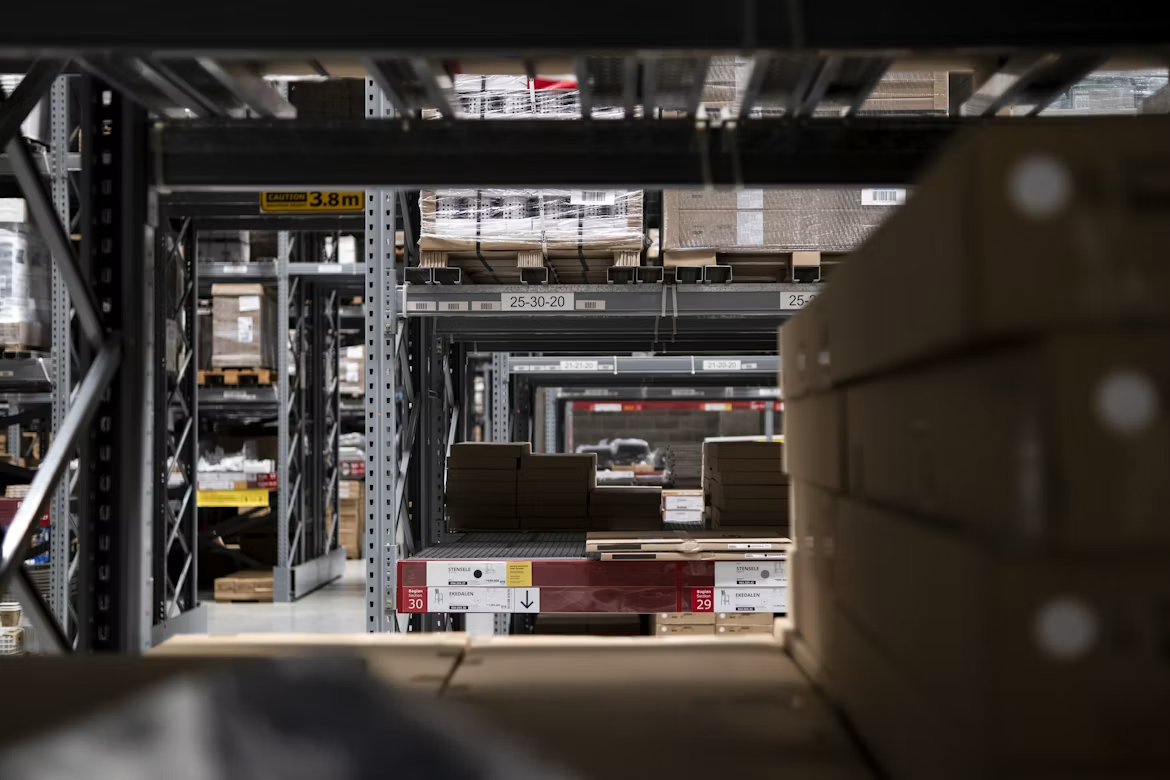
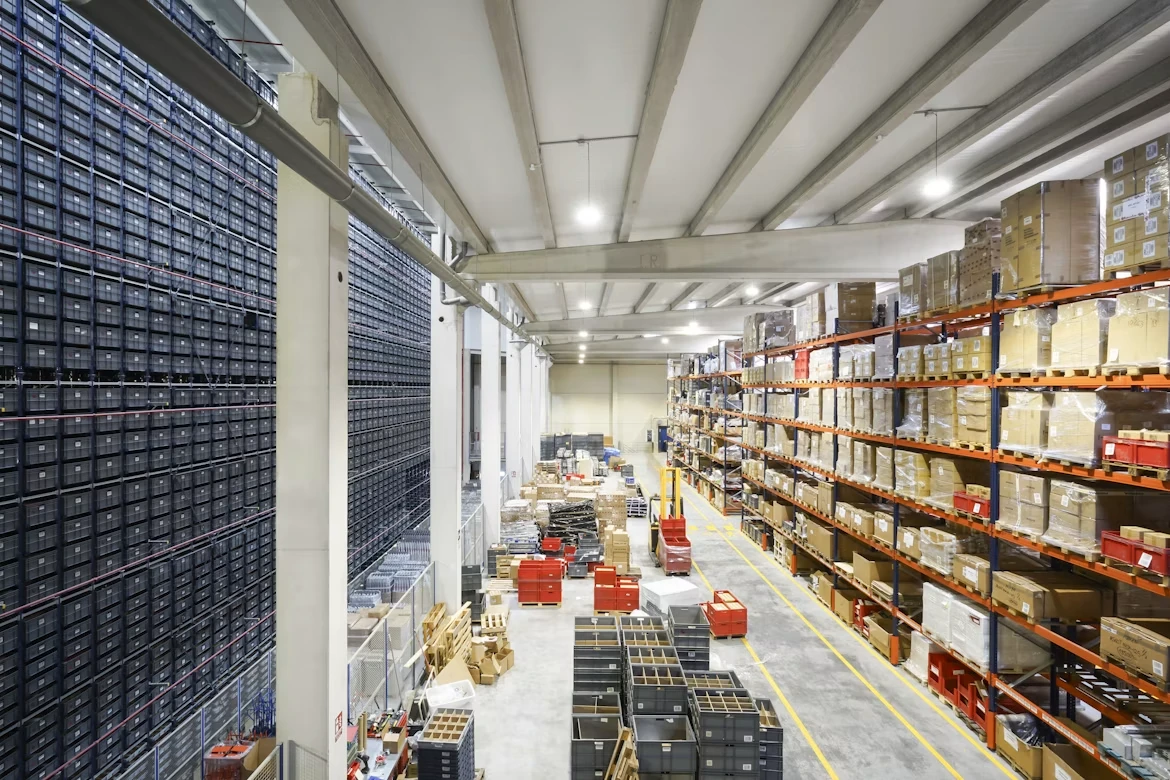





.jpg)
.jpg)






.jpg)

















.jpg)