Running a subscription box costs more than the product inside it. Your monthly spend stacks across inventory, storage, kitting, packaging, shipping, software, payments, and support. On the fulfillment side alone, most brands spend several dollars per box before shipping is even added on. The number moves with your volume, your box size, and how much handling each order needs. So the real question is not what it all adds up to. It is which of those dollars pull their weight and which ones quietly bleed out every cycle.
This is a map of both. The costs that touch subscription box fulfillment deserve the most attention. They repeat for every subscriber, every month, for as long as the box exists. Get the ecommerce fulfillment math right early and the rest of the model has room to breathe. Get it wrong and you spend the next year paying for your own growth. If you want the fee structure in plain numbers first, our fulfillment center pricing page lays it out with no games.
The market itself is big and still climbing. It is on track for roughly $49.7 billion globally in 2026 and about $101.81 billion by 2030, per The Business Research Company. Lots of room to grow, and lots of competition for the same subscribers. Where you spend decides who keeps them.

Subscription box costs break down into a handful of line items, and each one behaves a little differently. Here is the honest picture before you decide where to put the next dollar.
This is your cost of goods, and for curated boxes it is usually the largest single line. It also carries hidden weight. Cash gets tied up in inventory you bought ahead of a cycle. A box theme can flop. And you eat the write-offs when something does not sell through. Buying power helps here. So does good forecasting. The brands that bleed on product are almost always the ones guessing at demand instead of reading it.
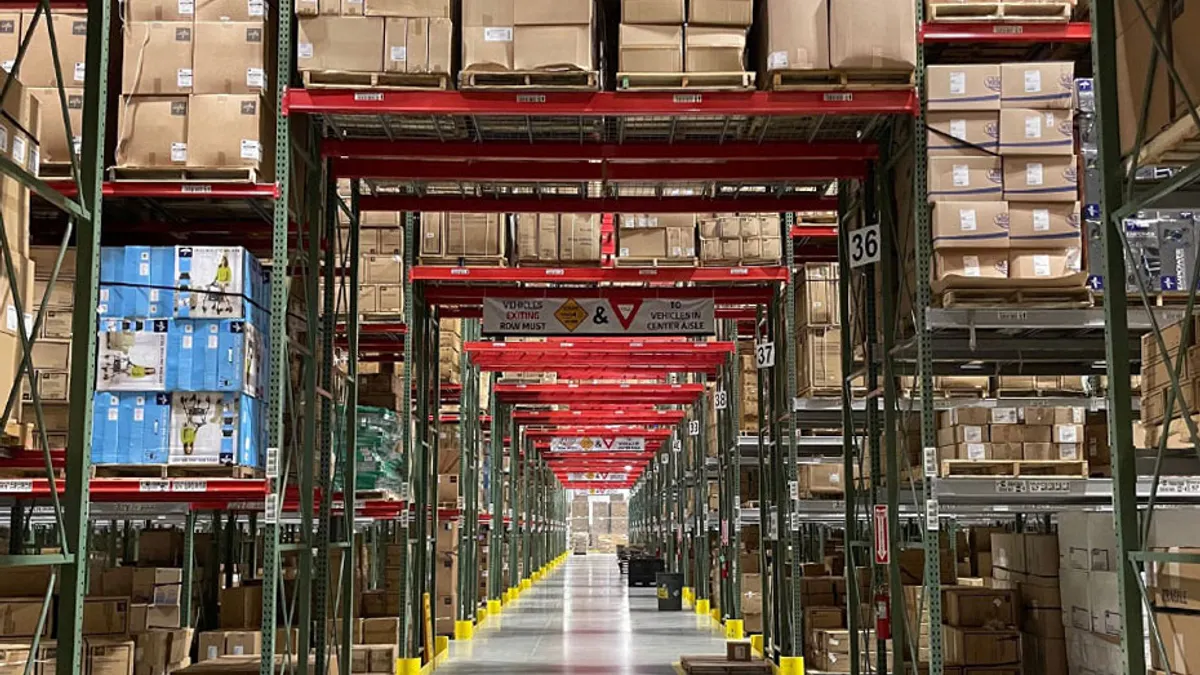
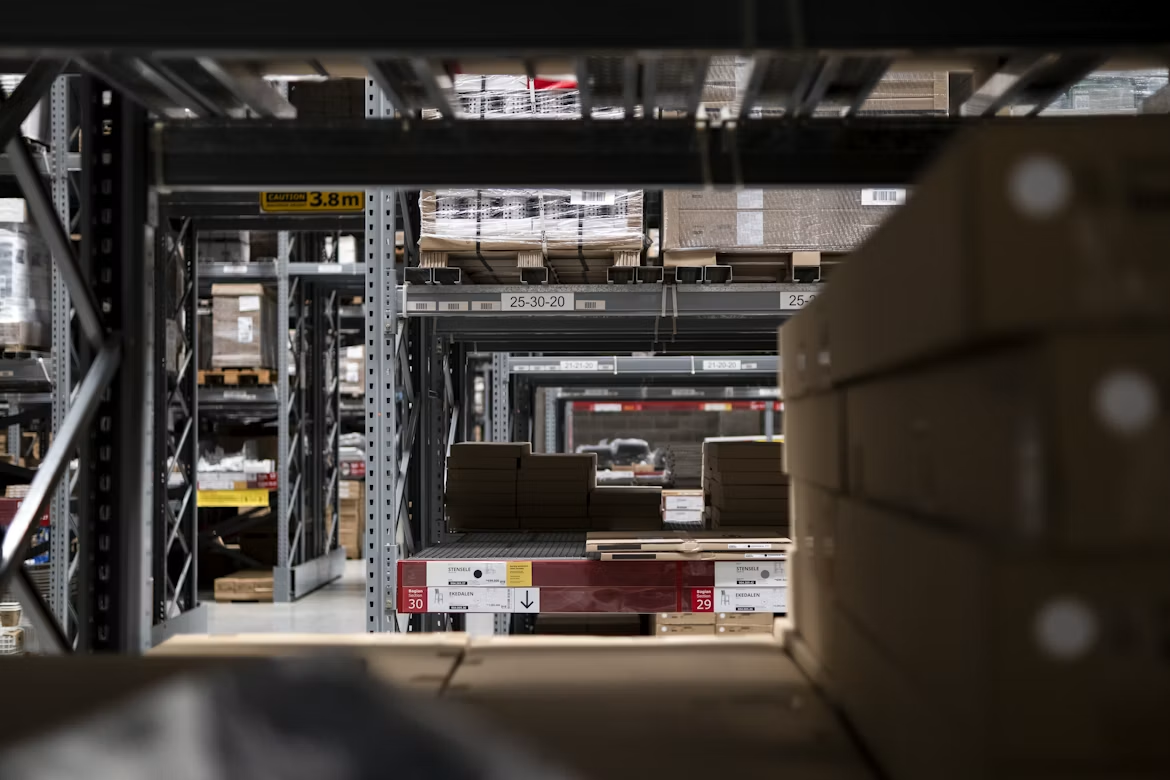
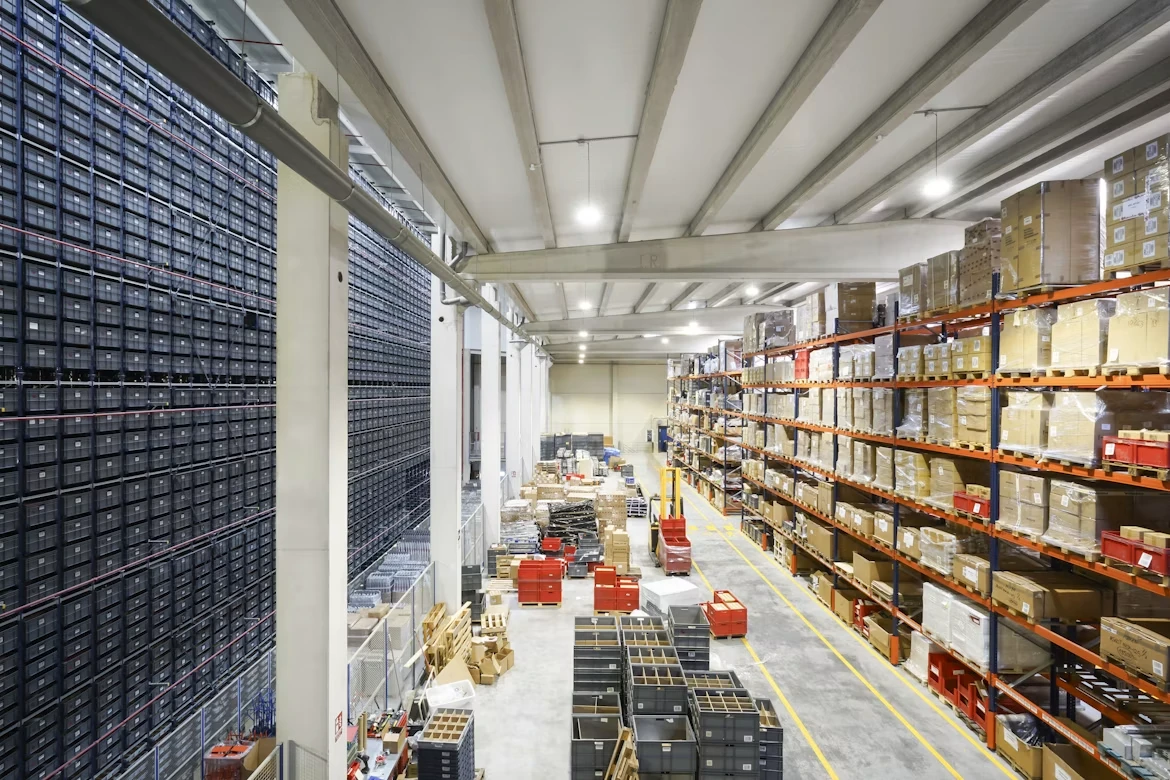
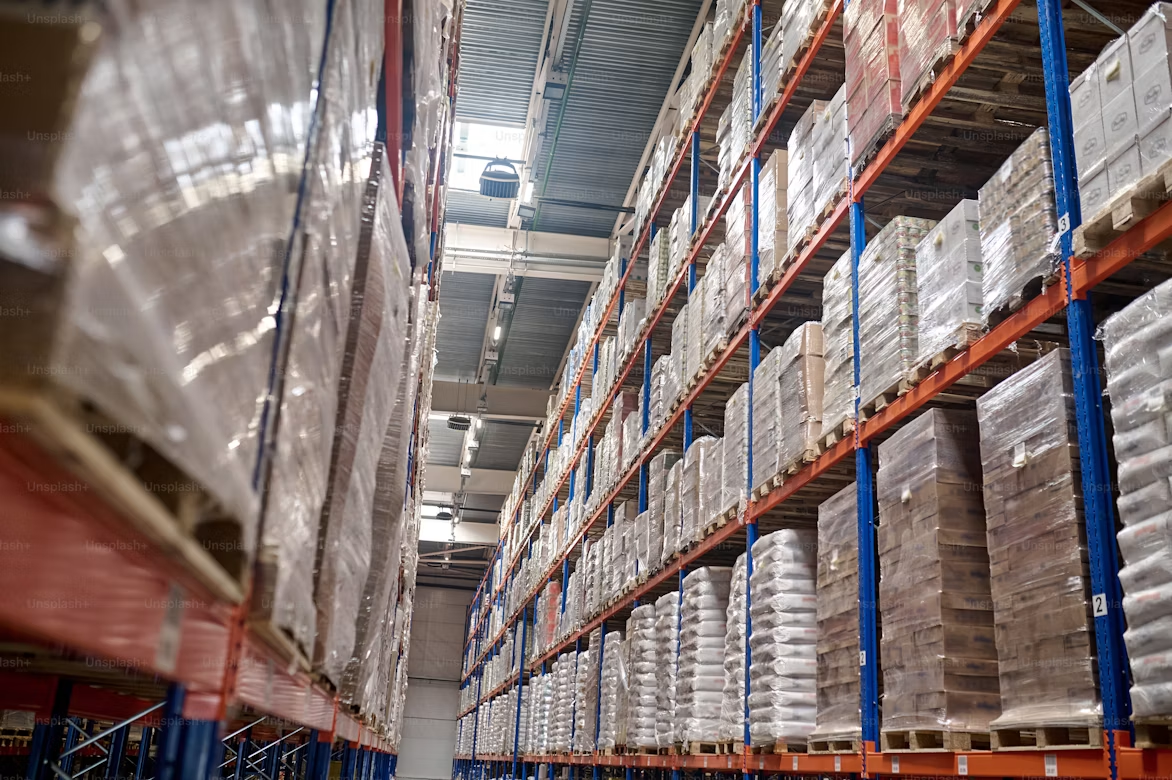
Every SKU you hold costs money to sit somewhere, usually billed by the bin, shelf, or pallet per month. Subscription brands feel this in a specific way. Inventory arrives in waves ahead of a ship date, then drains fast once the cycle runs. So you pay for space that is packed one week and half empty the next. Smart placement across facilities can trim shipping zones and cost. That is one reason a lot of boxes get stored near their subscribers, or near a port for import-heavy sourcing.
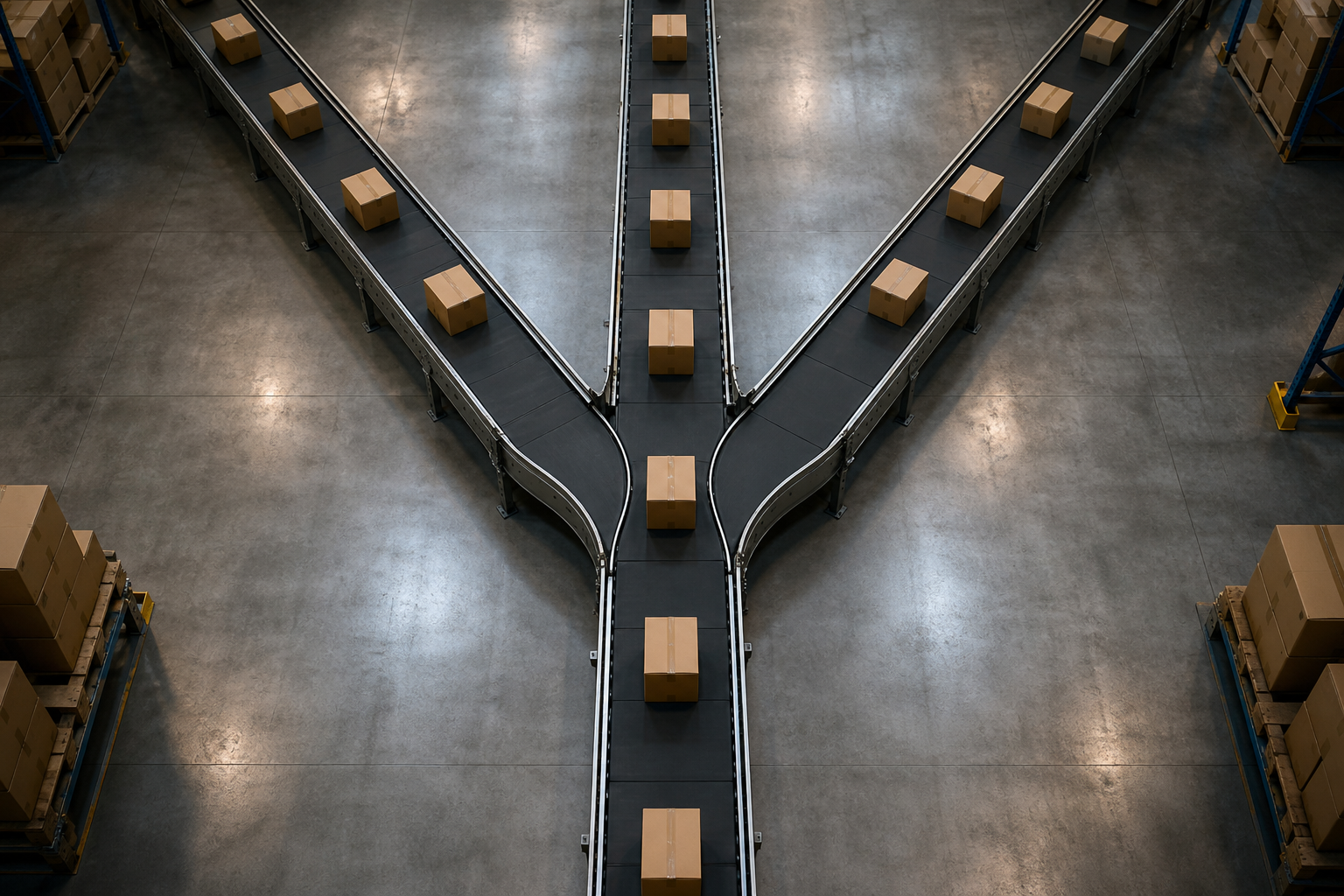
Here is where subscription work stops looking like regular ecommerce. Kitting is the assembly step: combining several items into one ready-to-ship box, built the same way, at scale, on a deadline. Good operations batch it. When hundreds of subscribers get the identical box, an assembly line can run the whole cycle in one pass instead of picking a thousand orders one at a time. That batching is where per-box labor cost either stays sane or spirals. Below a certain batch size the math flips. That is why some 3PLs, ShipBots included, charge a small batching fee when a run has too few identical orders to justify the line.
The physical box, the tissue, the insert, the branded tape: that is a real line item too, and one people either overspend on or underthink entirely.

Shipping is the cost that scales fastest and forgives least. Dimensional weight, zones, carrier surcharges, and peak season all push it around. A box that is an ounce too heavy or an inch too big in the wrong dimension can bump a rate tier and cost you on every single shipment. Volume discounts help. That is the main reason smaller brands hand shipping to a partner who ships enough to negotiate better rates. This is the part of your order fulfillment services that hits margin most directly, so watch it closely.
Your subscription platform, your billing and dunning tools, the payment fees on every recurring charge, and the humans who answer when a subscriber emails about a missed box. None of these is huge on its own. Together they keep the recurring model from falling apart. Failed-payment churn alone can eat a real slice of your revenue if the dunning is sloppy.
A few subscription box costs show up as wasted spend again and again.
Over-engineered packaging is the classic one. A first-time box wants to make a statement, so it arrives in a rigid custom mailer with foam inserts and four pieces of printed collateral. It photographs beautifully. It also costs a fortune per unit, and most of that spend does nothing for the month-six subscriber who already knows what is coming. Spend on the unboxing that earns a repeat, not on the version that wins one Instagram post.
Acquisition is the other big one. It is tempting to pour budget into paid social and heavy sign-up discounts, chasing new subscribers to hit a growth number. McKinsey's research on subscription commerce found that nearly 40 percent of e-commerce subscribers have canceled, and more than a third of them bail inside the first three months (McKinsey). Spend hard to win customers who leave before the box earns back its cost, and you are just filling a leaky bucket faster.
Then there is the quiet overspend: paying for warehouse space you do not need year round, or eating shipping costs you could have negotiated down with more volume behind you.
Now the part that matters. Some spending is genuinely worth it, and it is usually the spending that protects the subscriber you already have.
This is the one to protect above all others. A subscription lives or dies on consistency. A box that shows up on time, in one piece, correct, month after month, is the whole promise. Miss it once and a subscriber shrugs. Miss it twice and they cancel, and now you are back in the acquisition machine paying to replace them. Paying a little more for fulfillment that reliably hits the date is not really a cost. It is churn insurance. McKinsey flagged churn as the real threat to these businesses, since replacing lost subscribers drains cash fast.
The technology behind this earns its keep too. Real-time inventory means you are not blindsided by a stockout mid-cycle. Pack verification means the box that ships is the box you designed. At ShipBots, the software carries the volume. A dedicated account manager who sits inside the warehouse carries your account. That combination keeps a bad cycle from becoming a bad month.
Spend here, but spend with intent. The unboxing is one of the few moments a subscriber really pays attention to your brand. So branded boxes, a clean insert, and packaging that arrives undamaged are worth the money. The trick is matching the spend to the product. A supplement box handled through nutraceutical fulfillment needs protection and compliance far more than it needs a foil-stamped lid. A fashion box can lean into presentation, because presentation is part of the product. Pay for the version that fits, not the priciest one on the shelf.
The math is not close. Keeping a subscriber costs a fraction of winning a new one, and a subscriber who stays an extra few months changes your unit economics entirely. So put budget behind the things that lower churn: reliable delivery, responsive support, and smart dunning so a failed card does not become a lost customer. Keep enough quality in the box to make month twelve as exciting as month one. A dollar that lowers churn is usually worth more than a dollar that buys a single sign-up.
If you are comparing 3PLs, the fee structure tends to split into a few buckets: storage billed by bin, shelf, or pallet, pick and pack per order, kitting or assembly charges for building the box, and shipping. Some providers add a monthly account or maintenance fee. Some bury charges you only find on the invoice.
ShipBots runs a flat monthly maintenance fee. It covers your dedicated account management and a software connection, separate from storage. Pricing is volume-based, with no long-term contract or minimums. Anything genuinely case by case, like fragile handling or a special project, gets scoped and priced before it lands on an invoice, not after. The point is that you can forecast the number instead of bracing for it.
One tip that cuts through the marketing on any provider: pull last month's invoice and ask for an apples-to-apples quote on the same SKU set, order volume, and shipping profile. Numbers settle these comparisons faster than feature lists.

Early on, packing boxes on the living room floor is genuinely the right call. It is cheap, you learn your own operation, and volume is low enough that your time is not the bottleneck yet. That changes fast. Once a cycle means hundreds or thousands of identical boxes on a hard deadline, in-house fulfillment starts costing you the two things you cannot buy back: time and consistency.
Outsourcing to a 3PL logistics partner buys back both, plus shipping rates you cannot get on your own volume and a team whose whole job is hitting your ship date. The tradeoff is the fee and handing over some control. That is exactly why a no-contract, transparent-pricing setup matters. You want to judge the partnership month by month and leave if it stops working. No signing your flexibility away for two years to a provider you are still sizing up.
The spend that protects your subscriber is almost always the spend worth making. Reliable, on-time, accurate fulfillment sits at the center of that, because it is the part of the box a customer feels every single month. When you are ready to see what your box, volume, and SKU mix would actually cost with a partner built for recurring shipments, get started with a real person who can price your catalog and walk you through the numbers.
Subscription box costs depend on your box size, volume, and product, but the spend lands across several buckets: product, storage, kitting, packaging, shipping, software, and support. On the fulfillment side alone you are usually looking at several dollars per box before shipping. The only way to get a real figure is a quote built on your actual SKU mix rather than an industry average.
Shipping and churn, in that order. Shipping scales with every box and gets pushed around by dimensional weight and carrier surcharges you may not be watching. Churn quietly forces you to keep paying to replace subscribers who leave. Reliable fulfillment reduces both, since on-time accurate delivery is what keeps subscribers from canceling in the first place.
In-house is cheaper at very low volume, when you are still packing by hand and your time is not the constraint. Once you are shipping hundreds or thousands of identical boxes on a fixed date, a 3PL usually wins on total cost. Batching, negotiated shipping rates, and a dedicated team outweigh the fee. Brands running apparel fulfillment alongside a box often make the switch first, since drops and seasonal spikes are hard to staff for in-house.
Spend first on the fulfillment that keeps subscribers, then on the product and unboxing that make them want to stay. New brands tend to overspend on flashy packaging and paid acquisition while underspending on reliable delivery, which is backwards. Protect the ship date and the subscriber experience before you chase growth.
Usually yes. Most 3PLs, ShipBots included, will use your custom boxes and inserts, and supplying your own packaging is typically billed as an added item per order on top of the standard pick and pack. It earns its keep when the unboxing drives repeat purchases, so match the spend to how much presentation matters for your category.
Get your box dimensions and weight as tight as you safely can, since dimensional weight and rate tiers punish wasted space. Then lean on a fulfillment partner with enough volume to pass along negotiated carrier rates. Placing inventory closer to your subscribers to cut shipping zones helps too. Those are the levers that move shipping cost without touching the subscriber experience.