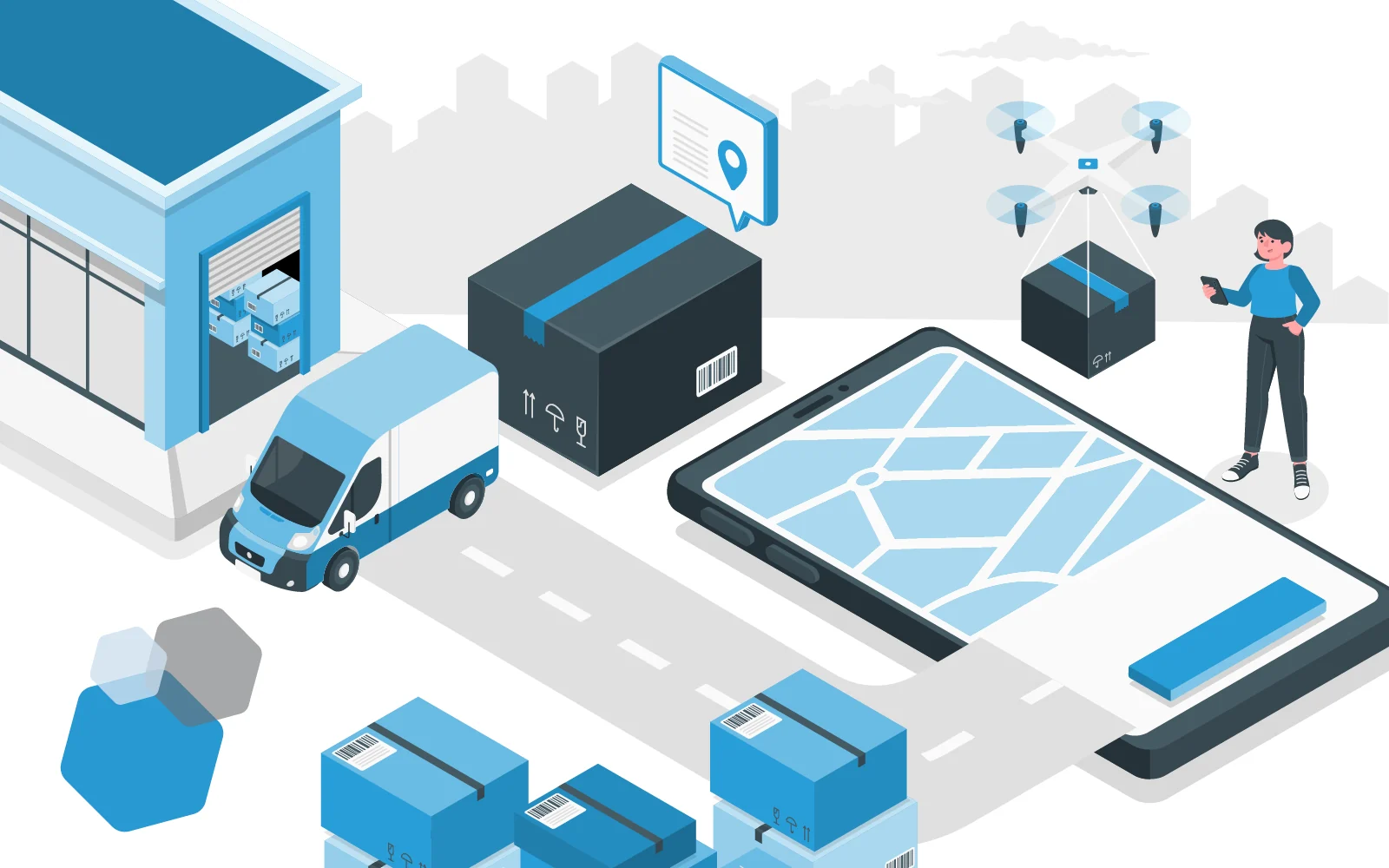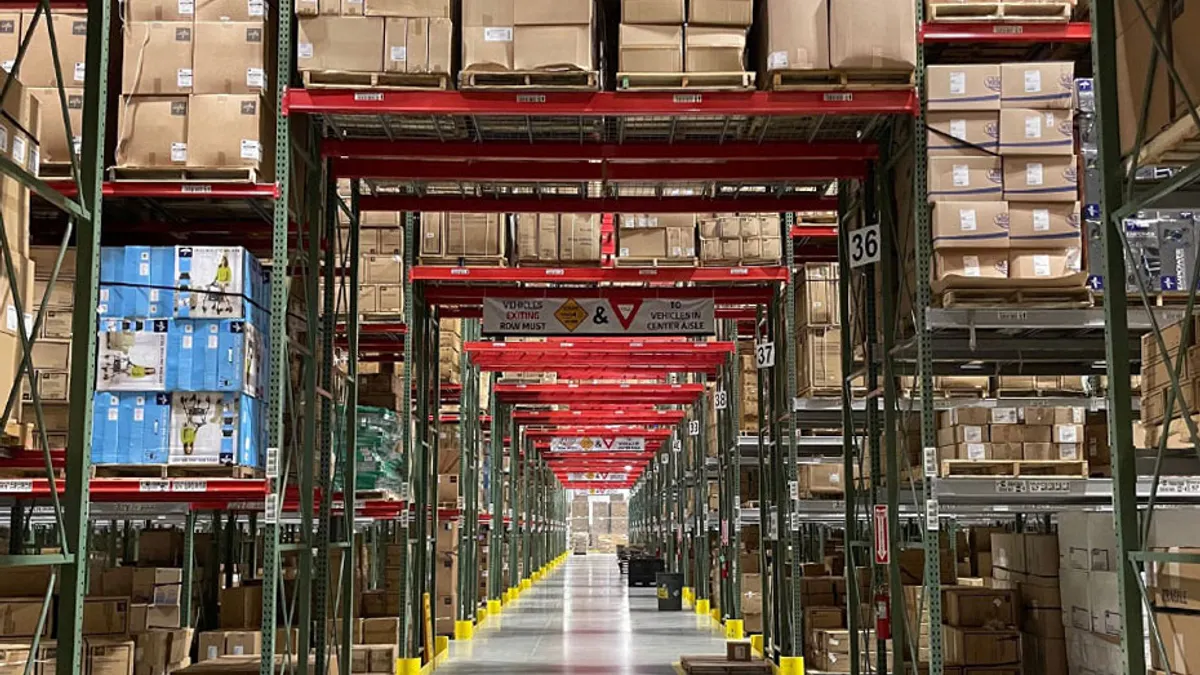
B2B DTC fulfillment is when one warehouse ships both your direct to consumer orders and your wholesale orders, using a single inventory count. For a subscription box company, the DTC side is the monthly box plus anything people buy from your shop. The B2B side starts when a store, a distributor, or Amazon wants your product by the case.
Most brands we talk to didn't set it up this way on purpose. They signed with a provider for ecommerce fulfillment services when they launched the box. A year or two later a retail buyer sent over a purchase order, and they found someone else to handle B2B fulfillment because the first warehouse didn't do pallets. By the time they call us, the two warehouses report different numbers for the same SKU and someone on the team spends part of every week reconciling them.
There are real operational differences between the B2B vs B2C supply chain, and we get into them below. A subscriber's box and a 40 carton order for a regional grocery chain get picked, packed, labeled, and shipped in very different ways. They still come off the same shelf, which is why we push brands to keep both under one roof.
This guide follows a brand from its first SKU to roughly ten thousand of them. Payam Ahdoot started ShipBots after running his own online stores beginning in 2010, so a fair amount of it comes from problems he dealt with personally. The rest comes from what we see shipping more than 3 million orders a year.
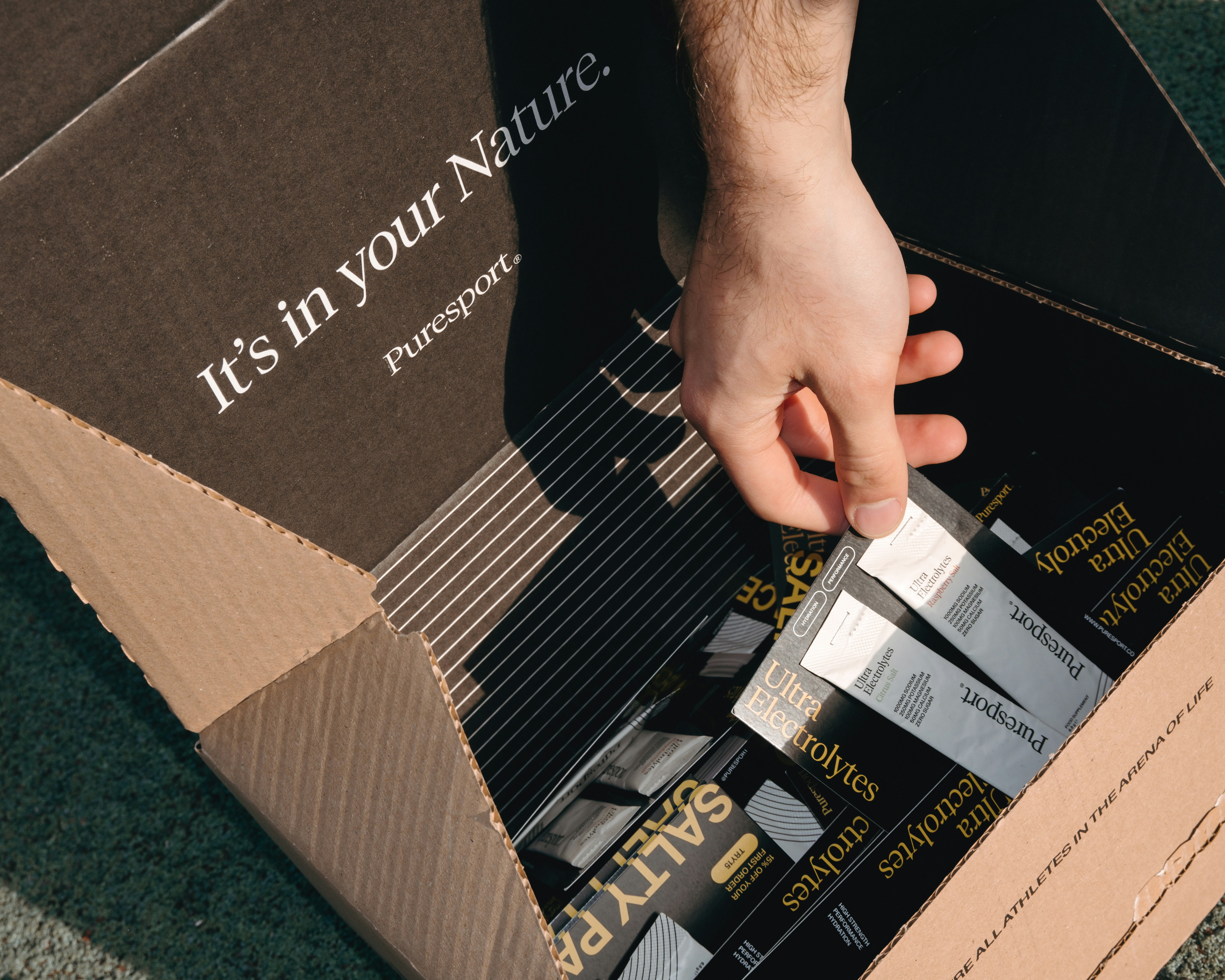
Subscription volume is predictable. If you bill on the 1st, you know within a few hundred boxes what's shipping that week, and the warehouse can schedule labor around it. Each order is one to a handful of units in a branded box with inserts, and it goes out by parcel with a tracking email.
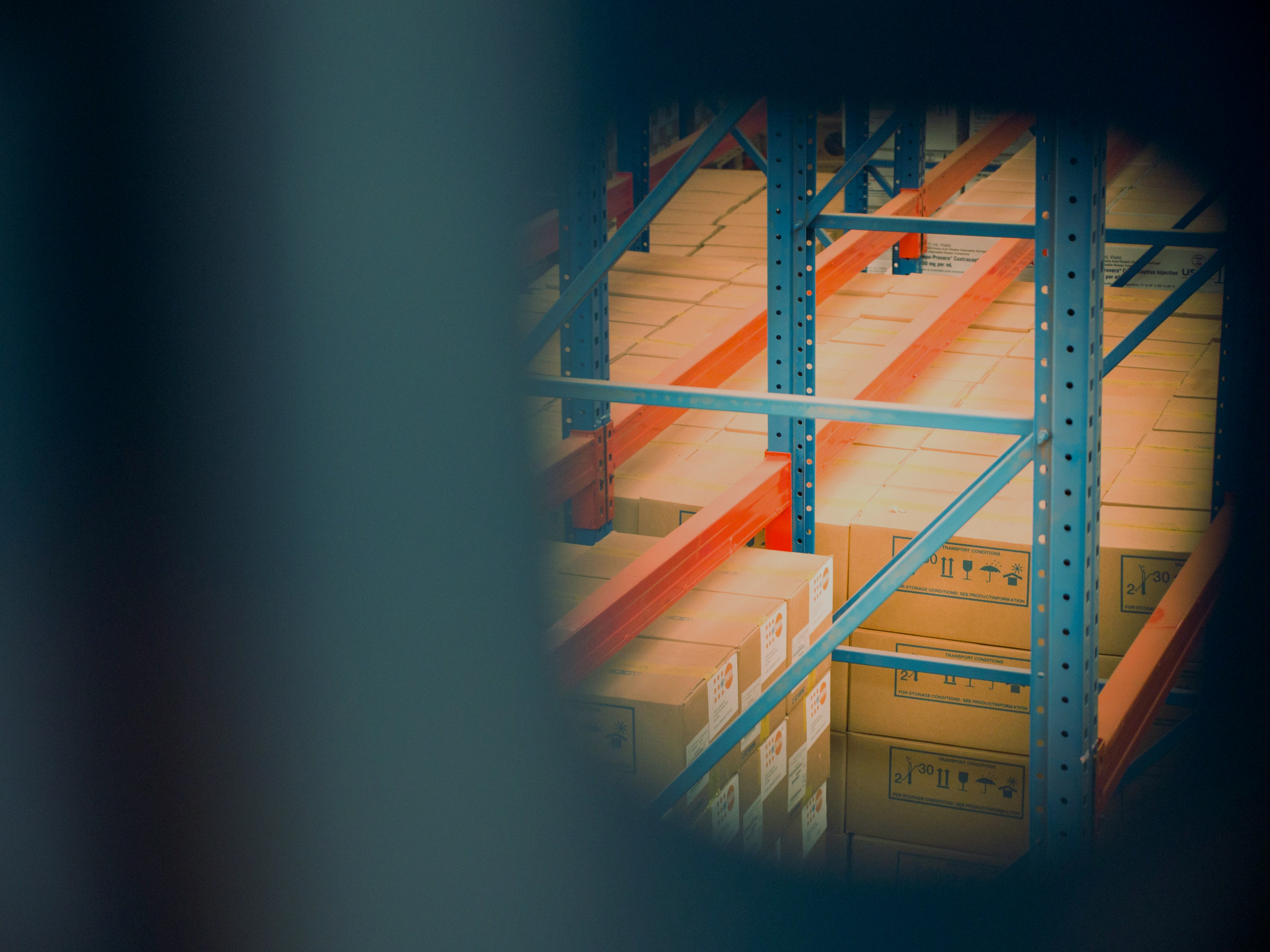
Wholesale orders show up on the buyer's schedule. Quantities are in cases or pallets, the cartons are plain, and the labels have to match whatever the retailer's vendor manual says. Large orders move by LTL or full truckload and need a bill of lading and an advance ship notice. A mistake on a subscription order costs you a support ticket and maybe a cancellation. A mistake on a retail order costs you a chargeback, sometimes on every carton in the shipment.
Ecommerce keeps growing as a share of retail. The U.S. Census Bureau reported $340.2 billion in U.S. ecommerce sales for Q2 2026, which was 17.1% of total retail and 12.2% higher than the year before. Business buyers have moved the same way. McKinsey's B2B Pulse survey found that B2B buyers now expect to order across multiple channels, and that suppliers who do this well are growing market share by 10% or more a year. A retail buyer placing a PO with you will expect the same accuracy your subscribers get.
Launch is the cheapest time to make decisions that will matter later, mostly because there's so little to change yet.
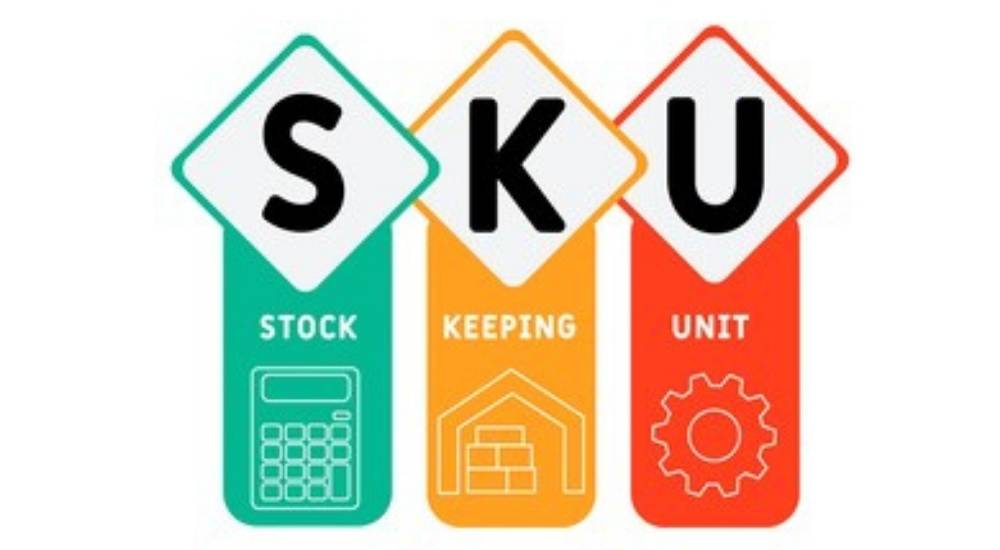
Every component should have its own SKU, and so should every version of the finished box. Don't let the March and April boxes share one because they look similar. When a component gets swapped mid month, the warehouse needs to know exactly which box it went into. Pick a naming format for SKU numbers that someone on the pack line can read without a lookup sheet.
If wholesale is a possibility within the next year or two, buy UPCs from GS1 US before your packaging goes to print. Most retailers won't accept anything else, and fixing it afterward means relabeling inventory by hand.
Your box is a kit with a bill of materials, and it should be documented like one. The spec lists each component and quantity, the order they go in, where the insert card sits, and what the finished box looks like, with photos. The warehouse uses it to train the pack team. You use it when a subscriber sends a photo of a box that looks wrong.
Kitting and assembly services can build boxes in advance or assemble them as orders release. Building in advance spreads the labor out before ship day. Assembling to order copes better with late components and last minute plan changes. Plenty of brands prebuild the core box and assemble the variants to order.
Set the billing date, the order cutoff, and the ship date, then leave them alone. Subscribers learn when their box shows up, and they contact support when it doesn't.
Most of the SKU growth here comes from options rather than new products. Subscribers pick a size or a flavor, skip a month, swap one item, or add something from the shop, and each option creates more combinations for the pack team to get right.
Subscription box customization helps retention, but only if the rules make it into the warehouse system intact. The setup that tends to break is a spreadsheet of swaps exported before each wave and emailed to the warehouse. It works for a few months, and then someone sends last month's file. Keep the rules in your store platform and let the integration pass them through with each order.
We record every pack with Vision AI before the order ships, which is a large part of how we keep accuracy at 99.999%. Those recordings get used most in customized waves, where the box on the left and the box on the right are supposed to be different.
Pack quality tends to drift as volume goes up. Tissue gets folded differently, the card ends up under the product, a sticker gets skipped during a rush. Subscribers open the box every month and they notice. Memorable unboxing experiences at 20,000 boxes depend on a written spec and someone spot checking boxes during the wave.
Single item orders from your website shouldn't sit behind the monthly wave. Tag them so they ship same day even when 15,000 boxes are on the floor. Set this up before your first big wave, since sorting it out in the middle of one is much harder.
The first wholesale orders tend to arrive in this range. It might be a boutique ordering 50 units or a regional chain running a 30 store test. This is when B2B DTC fulfillment becomes part of the daily operation.
Each retailer publishes rules for label placement, carton dimensions, pallet height, advance ship notices, and delivery appointments. Chargebacks for breaking them often show up weeks after delivery. Send the routing guide to your 3PL before you confirm the PO so they can tell you what's standard and what needs a separate quote.
Retailers order by the case. Create a case pack SKU linked to the unit SKU so a carton of 12 shipping to a store and a single unit going into a box both draw down the same inventory.
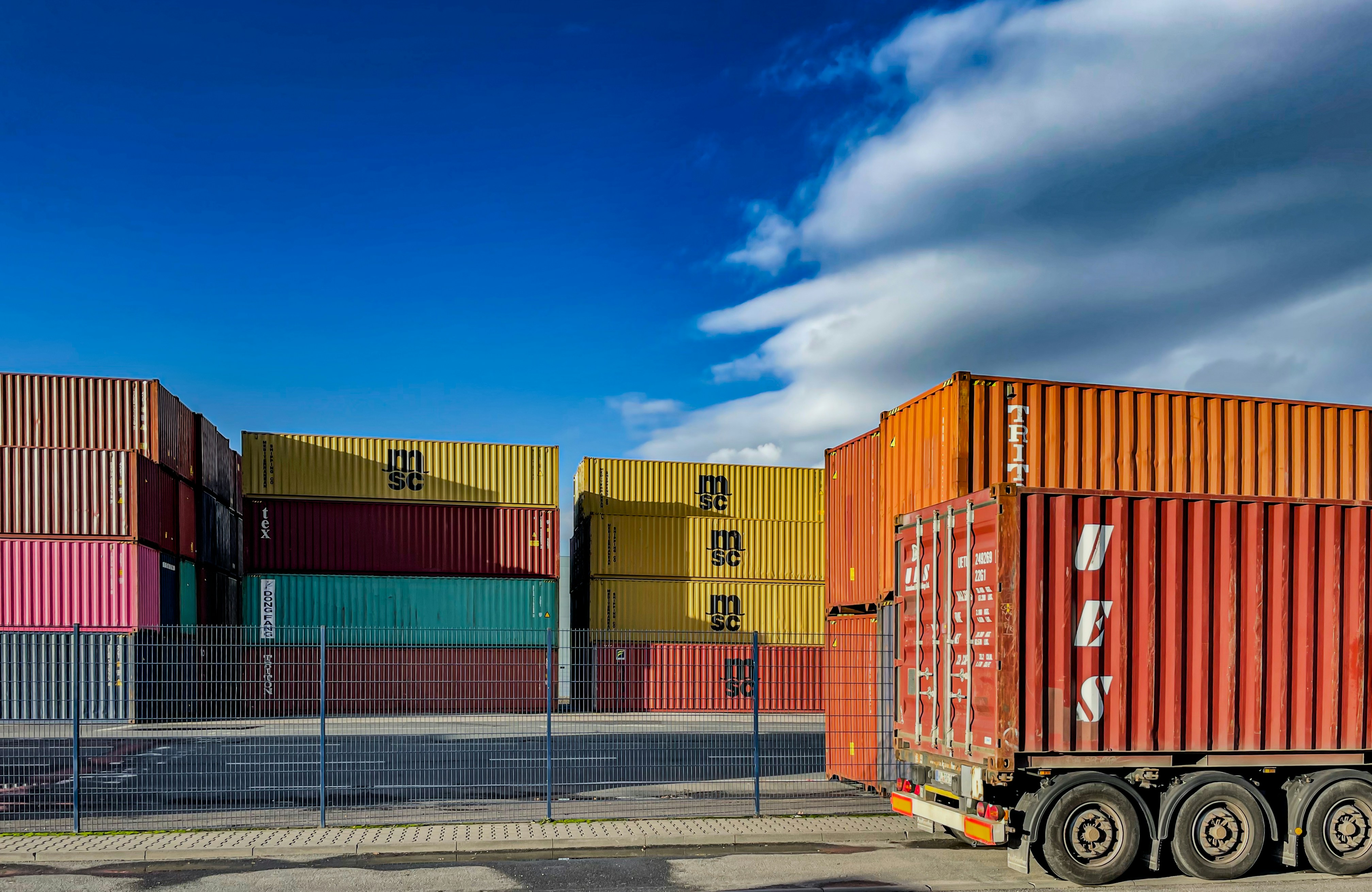
Smaller wholesale orders can go parcel. Larger ones move by LTL or full truckload, and the choice affects cost and whether the order arrives inside the delivery window. Deciding between parcel vs LTL vs FTL comes down to weight, cube, and how firm that window is. For importers, our Los Angeles warehouse sits minutes from the Port of Long Beach, which shortens the time between a container landing and stock being available to sell.
An inbound shipment to Amazon is a B2B order with Amazon's own prep and labeling requirements. Handling Amazon FBA prep in the same building as your subscription keeps those units in the same count as everything else.
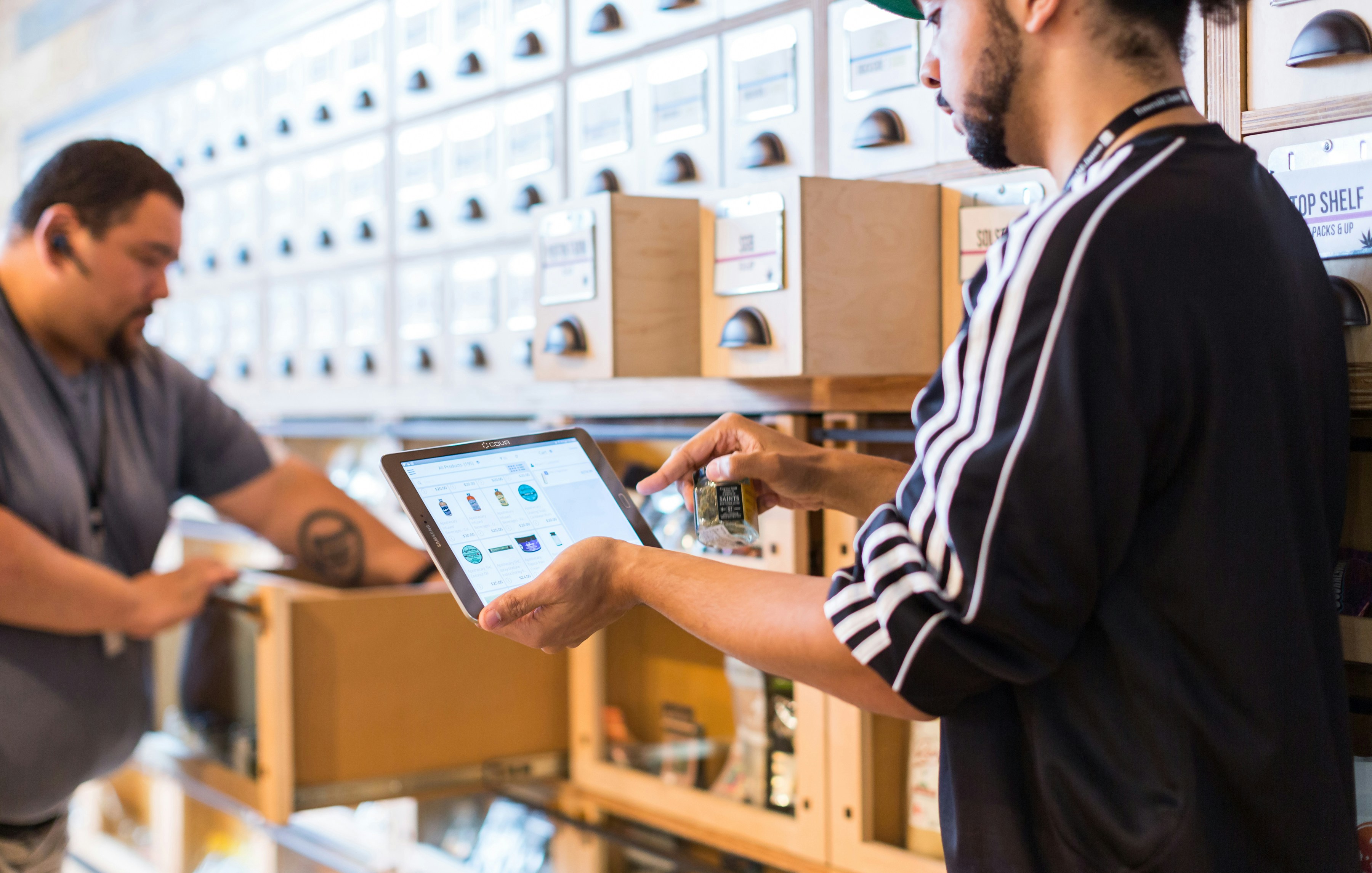
When the box, your site, Amazon, and wholesale accounts all sell the same product, omnichannel fulfillment depends on each channel reading the same live inventory figure. A channel that updates overnight or by hand will eventually sell stock that's already gone.
At this size the main problem is allocation, meaning which channel gets inventory when there isn't enough for all of them.
Suppose a supplier delay leaves you 3,000 units short on your best seller. Renewals need 8,000, a retail PO needs 2,400, and the website moves about 1,500 a month. Somebody has to choose which channel goes short, and that choice is easier to make calmly ahead of time. Multichannel inventory management at this level means reserving renewal stock first, setting a safety stock floor for each channel, and getting low stock alerts early enough to reorder.
You have something most DTC brands don't, which is a known subscriber count and a churn rate. Combine those with open POs and last year's seasonality, and demand forecasting gets considerably more reliable.
Q4 needs extra planning. Gift subscriptions climb in November and December, the same window when retailers want holiday replenishment. Peak season fulfillment for a brand selling both ways starts with inbound shipments booked well before either surge.
The supply chain KPIs we look at for brands running both channels start with order accuracy, since a DTC error can lose a renewal and a B2B error brings a chargeback. On time shipping should be tracked separately for shop orders, box waves, and retail delivery windows. Dock to stock time shows how fast received inventory becomes available to sell, and our standard is 48 hours. We also watch fill rate on retail POs, chargebacks as a percentage of wholesale revenue, and inventory turns by channel.
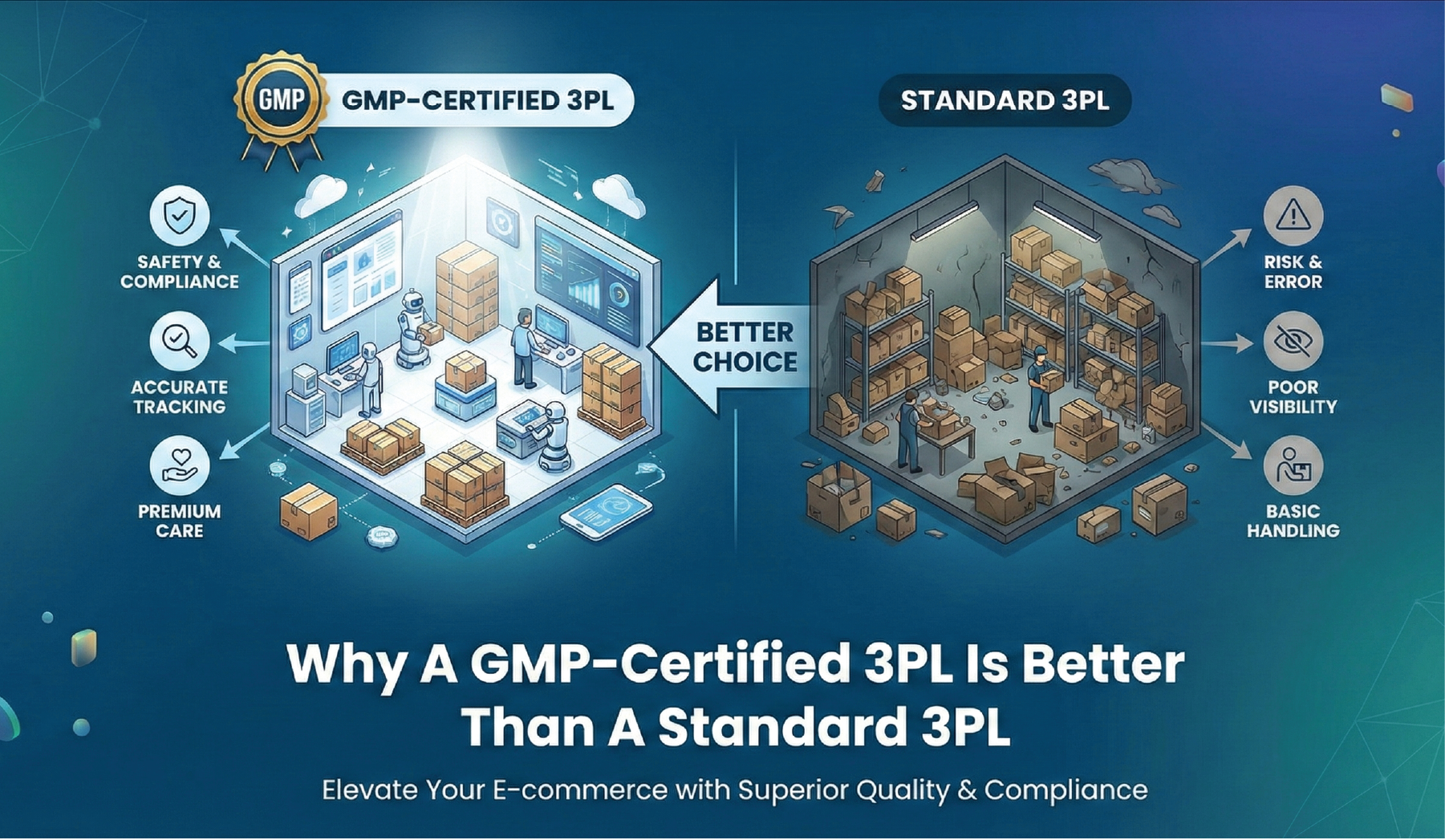
Supplements, skincare, and other products with lot numbers and expiration dates need that tracking in every channel. GMP certified fulfillment applies the same controls to a subscriber's box and a distributor's pallet.
A 3PL logistics provider that handles both channels well should be able to turn on wholesale without a second onboarding. When you evaluate one, start with inventory. All of your sales channels should connect to a single warehouse management system, and you should be able to see live counts whenever you want. Ask which ecommerce integrations are native. Shopify, Amazon, TikTok Shop, Walmart, BigCommerce, and WooCommerce should connect without custom development.
Next, ask who handles exceptions. Wholesale generates a lot of them, like a pallet two inches over the retailer's height limit or a PO that changed after picking. Dedicated account managers who work inside the warehouse can go look at the pallet themselves. Ours answer by phone, email, Slack, or SMS, weekends included.
Location affects transit time on both channels. Warehouses on each coast shorten delivery to subscribers and give you options when a retailer's distribution center is across the country. Review the fulfillment center locations and visit one if you can.
Then read the contract. A brand at 10,000 SKUs looks very different from the same brand at 10. We don't require long term contracts and our pricing is volume based, so clients stay with us because the work is good.
DTC fulfillment ships individual orders to consumers, normally by parcel. B2B fulfillment ships bulk orders to retailers, distributors, or marketplaces, usually in cases or on pallets that follow the buyer's labeling rules. B2B DTC fulfillment handles both from one warehouse and one inventory count.
Yes. A provider with full order fulfillment services can run subscription waves, shop orders, and retail shipments from the same stock. Before signing, ask how they handle retailer routing guides and how they book freight.
Cost depends on order volume, storage, and how much kitting or retail prep each order needs. ShipBots fulfillment center pricing is volume based and doesn't require a long term contract. Special projects and some retail compliance work are quoted individually.
Start once the subscription operation is stable, with accurate inventory, waves that ship on schedule, and clean SKU data. You'll also need GS1 barcodes and case pack SKUs in place. Any problems in the DTC operation get larger once retail orders are added.
Connect every channel to one warehouse management system with real time sync, and reserve inventory for upcoming renewals first. Set safety stock for each channel and run regular cycle counts. Overselling almost always traces back to two systems holding two different counts.
Missed box waves, no way to ship retail orders, and no live inventory view are all good reasons to start looking. They're among the common signs to switch 3PLs. A new partner should plan the transition so subscribers don't see a gap in deliveries.
Moving wholesale into the same warehouse as your box is a lot easier at 50 SKUs than at 5,000. Our subscription box fulfillment services cover the monthly box, shop orders, and wholesale from one inventory, with an account manager on site who knows your account. Send us your current SKU count and monthly order volume to get an instant quote for both channels.