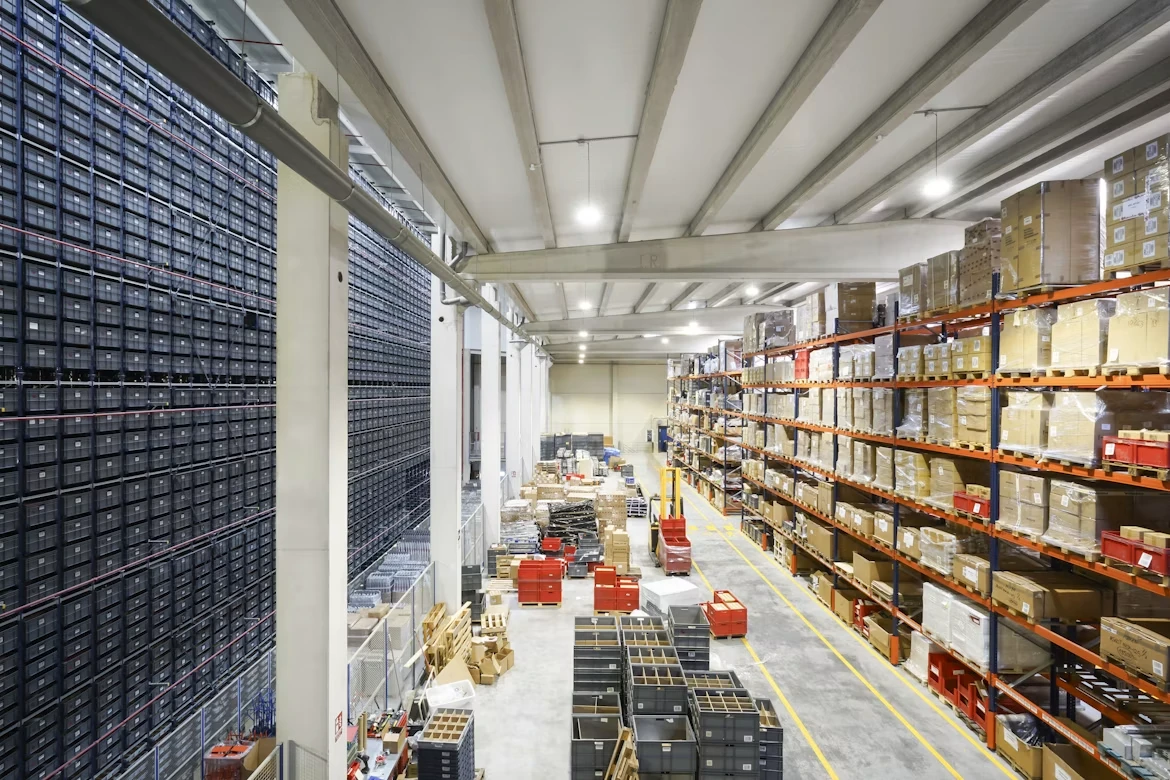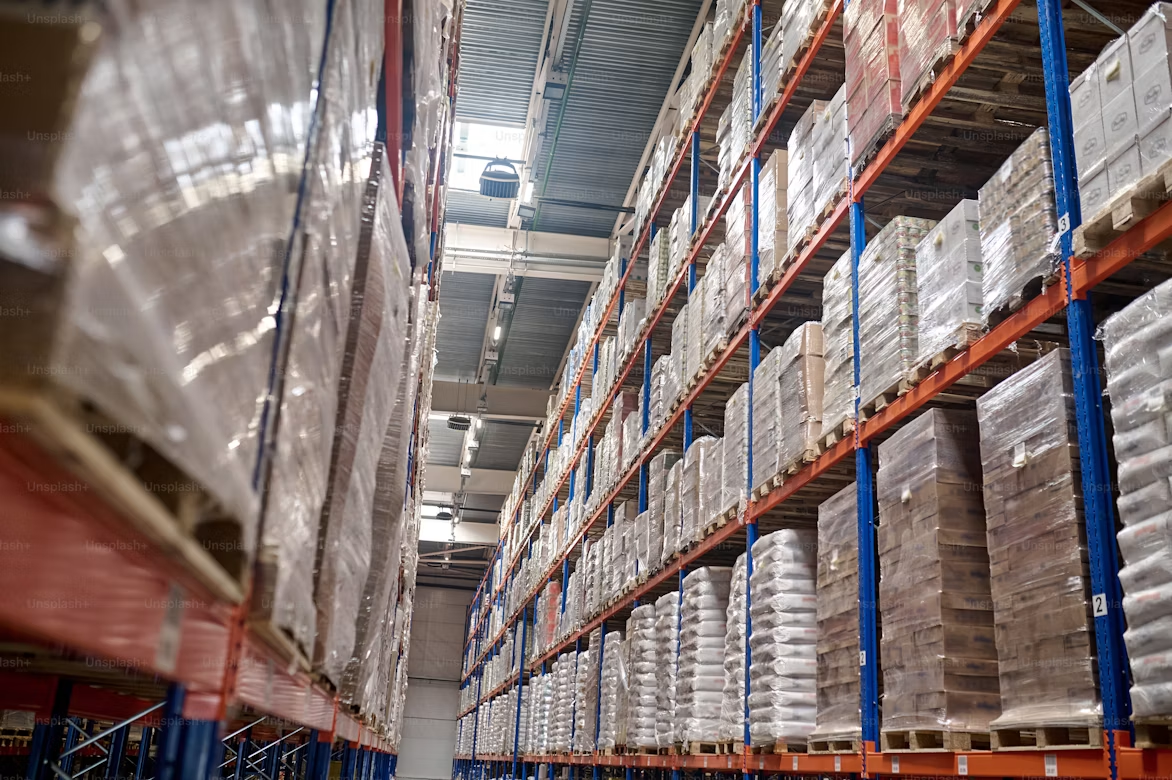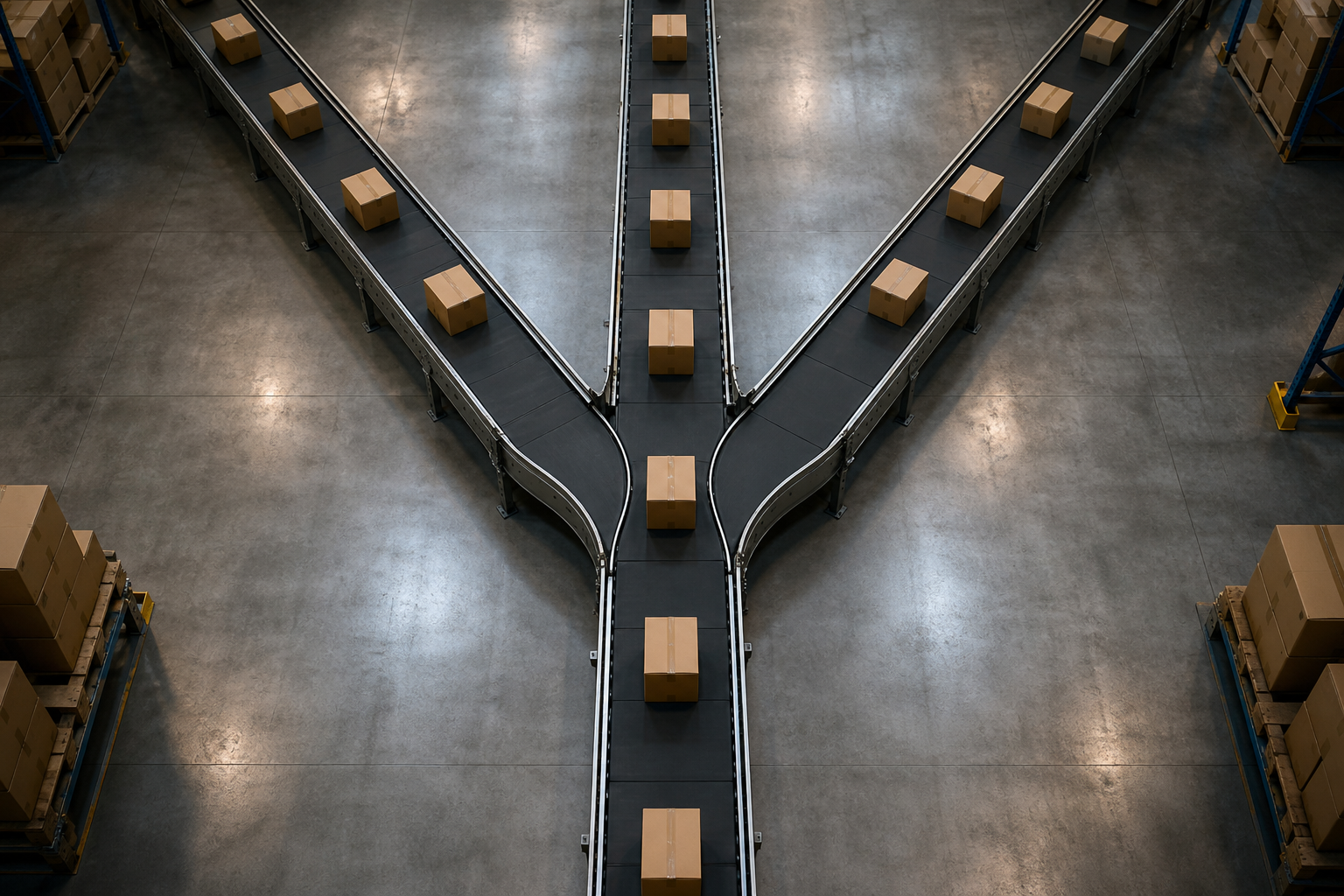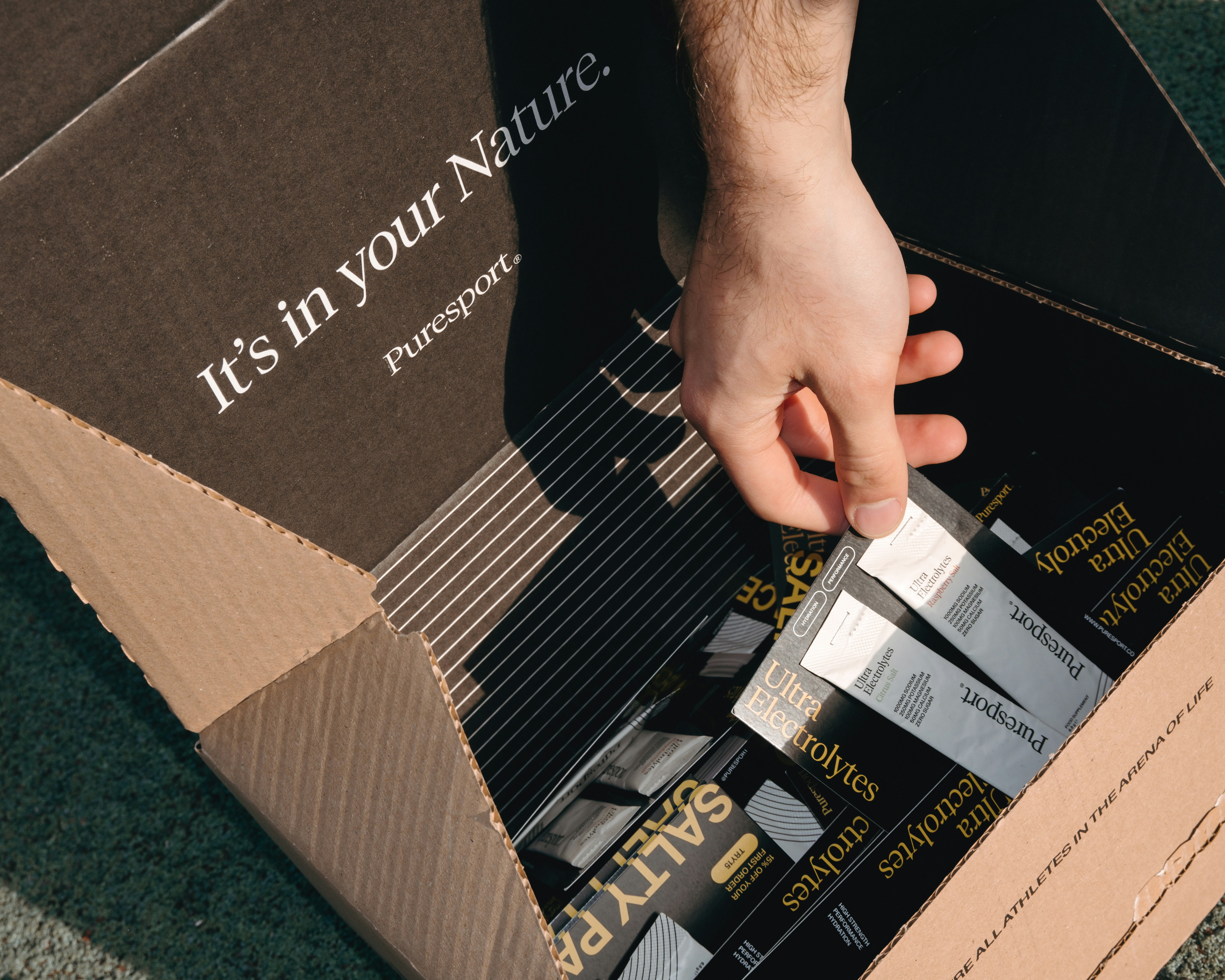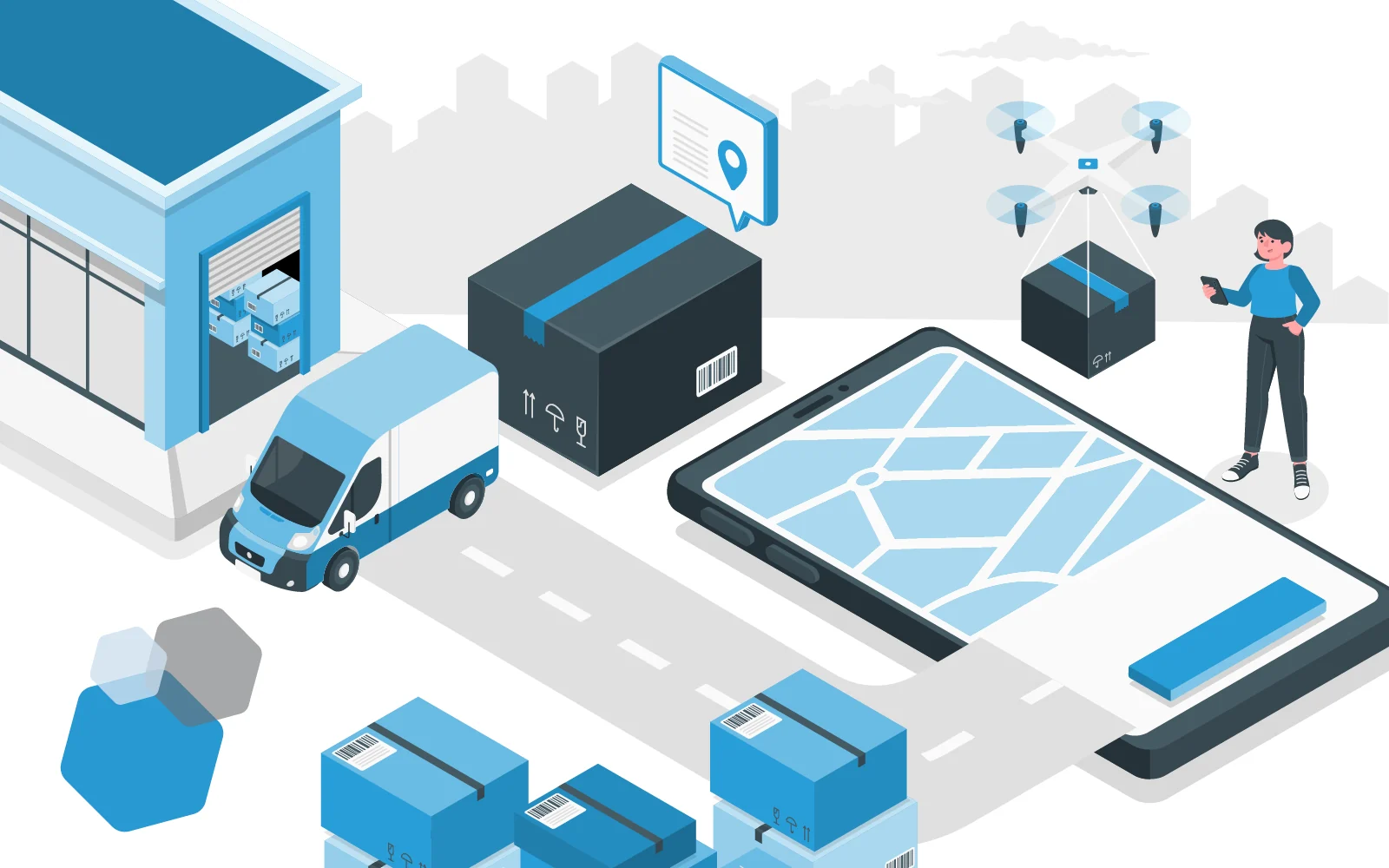
Hybrid fulfillment means running wholesale (B2B) and direct to consumer (DTC) orders out of one warehouse. Both channels share one pool of inventory and one set of systems. You don't need a freight broker for retail pallets and a separate 3PL for Shopify parcels. One partner receives your goods once and ships both. Case packs go to a retailer's distribution center in the morning, and a single bottle of serum ships to a customer in Ohio that afternoon.
For many growing brands, this is simply where the business goes next. You launched with DTC fulfillment and built a loyal customer base. Then a boutique chain asked for a purchase order. Now you're shipping in two very different worlds.
The catch is that B2B vs B2C supply chains follow different rules. Order sizes, packaging, carriers, deadlines and penalties all change. You might be adding wholesale ecommerce to a Shopify store, or bringing a retail brand online. Either way, your operation has to serve both channels without one slowing the other down.
This guide covers how hybrid operations work on the warehouse floor and where brands usually stumble. It also explains what to look for in ecommerce fulfillment services that can carry both channels.
At its core, hybrid fulfillment is one inventory with two fulfillment playbooks. The products are the same. The way they leave the building is not.
A hybrid operation shares the costly parts: receiving, storage, inventory records and the warehouse management system. Picking, packing, labeling and carrier selection are split by channel, because those steps have to be different.
Here's what changes between channels:
Neither model is harder overall. Each is hard in its own way, and the warehouse has to be built for both.
Two forces are pushing brands toward a dual channel model.
First, shoppers keep moving online, but stores aren't disappearing. According to U.S. Census Bureau data, online sales hit $340.2 billion in the second quarter of 2026, up 12.2% year over year and growing faster than retail as a whole. Yet most retail dollars still go through physical stores. Brands that sell in both places reach more customers and rely less on any one channel.
Second, B2B buyers now expect to shop like consumers. McKinsey's B2B Pulse research found that B2B companies offering the best omnichannel experience grow their market share by at least 10% a year. Wholesale accounts order more often and in smaller amounts, through portals and marketplaces instead of phone calls. B2B orders are starting to look like ecommerce orders, which is exactly why one operation can handle both.
The math works too. Two warehouses mean two storage bills, two inventory buffers and two inbound freight bills. A hybrid model puts all of that under one roof.
Shared inventory is the biggest advantage of hybrid fulfillment. It's also the biggest risk. Picture a 2,400 unit wholesale PO landing on the same day as a promo email. Which channel gets the stock?
Strong multichannel inventory management answers that question with channel allocation rules:
At ShipBots, inventory and orders live in a real time portal powered by ShipHero WMS. You can see what's committed, what's available and what's inbound for every SKU.
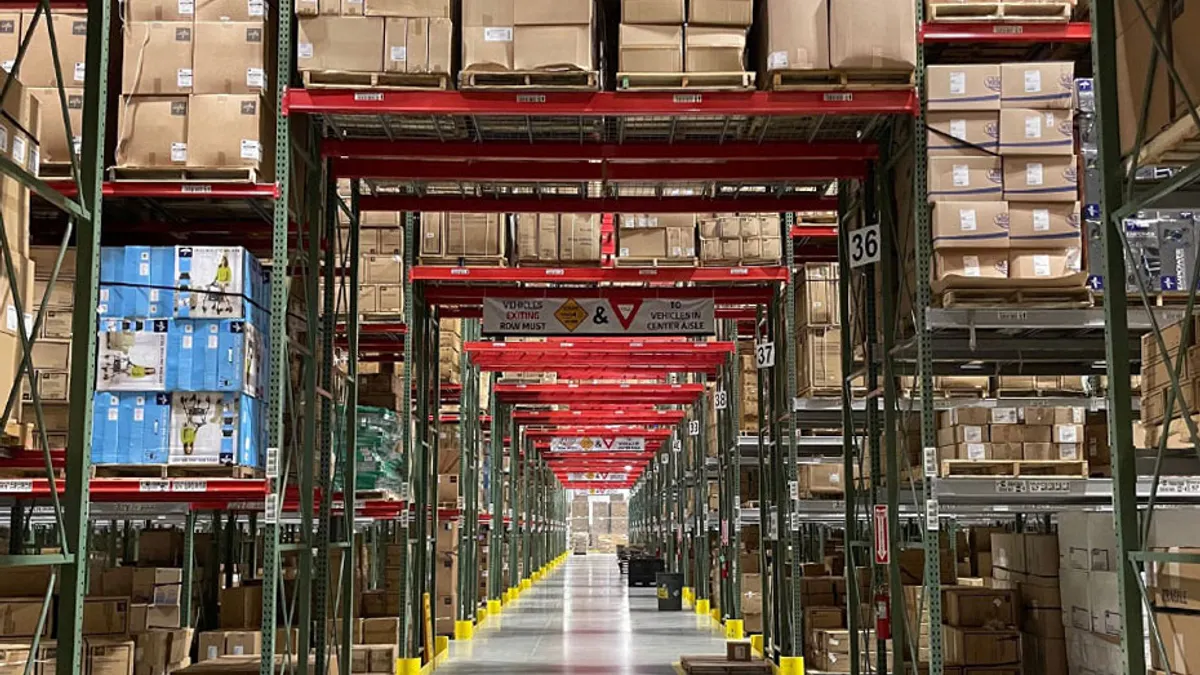
Hybrid operations live or die at the dock. Inventory that hasn't been received can't be sold anywhere.
Good receiving means accurate counts, damage checks and fast putaway into pickable locations. ShipBots receives inventory within 48 hours. When a wholesale order is already waiting on inbound stock, cross docking moves goods straight from inbound to outbound without putting them away first.
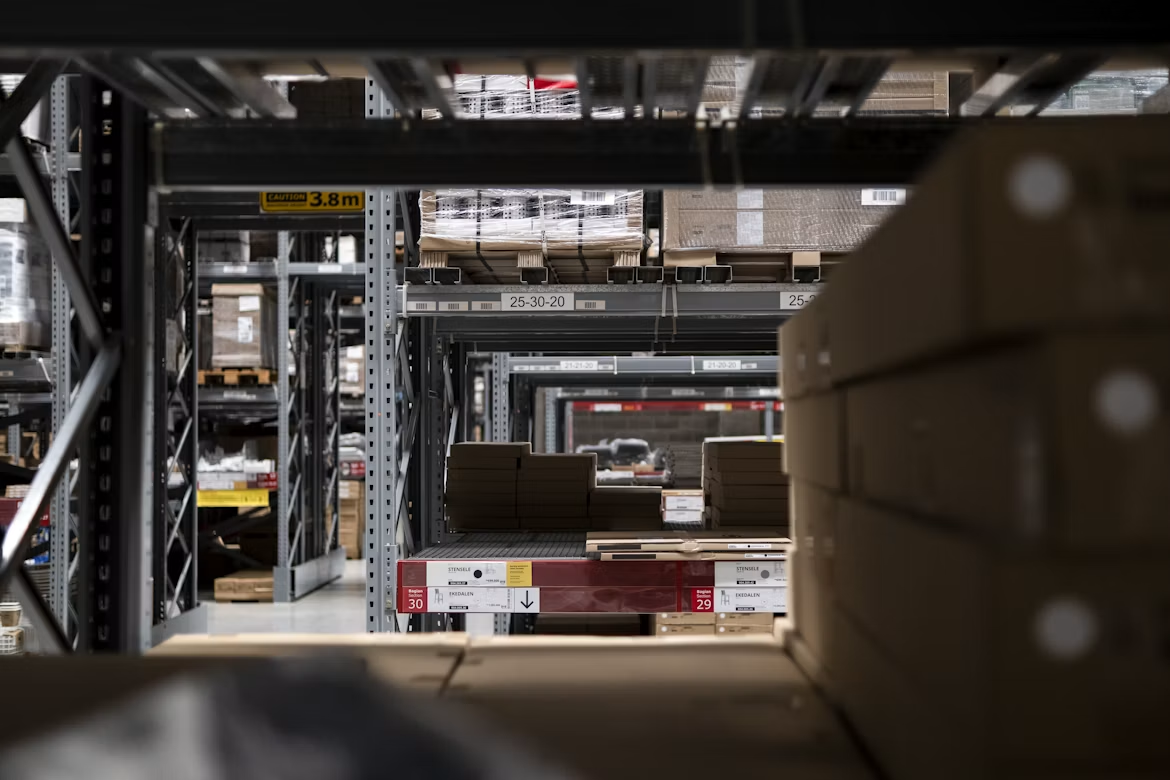
DTC picking is built for speed across many small orders, usually with batch or zone picking. B2B picking is built for volume and accuracy across fewer, larger orders, often pulling full cases from reserve storage.
The right setup keeps fast moving eaches in forward pick spots and case quantities in bulk storage. Knowing the common pick and pack methods helps you ask how a 3PL runs both workflows side by side.
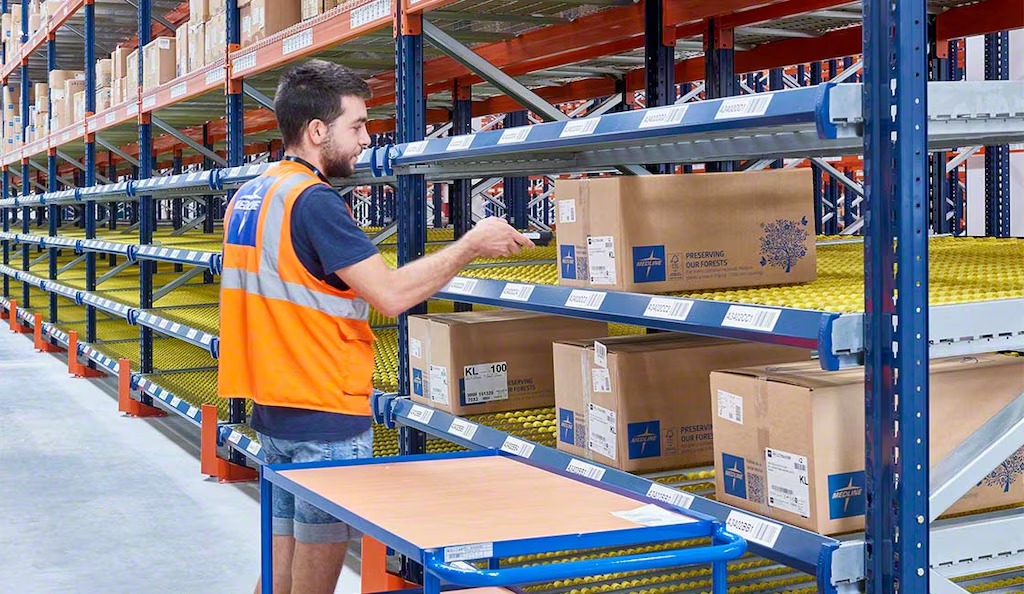
This is where hybrid operations break down most often. DTC packing follows your brand standards. B2B packing follows the retailer's standards, and those aren't optional.
Accurate shipping labels and correct product identifiers matter on both sides. Retailers often require specific UPC or GTIN barcodes on each unit and case. Get clear on SKU vs UPC vs barcodes before your first wholesale order ships.
ShipBots uses Vision AI pack verification to record and confirm every order. It's a big part of how we hold a 99.999% accuracy rate across channels.
Before your first wholesale order ships, confirm you have:
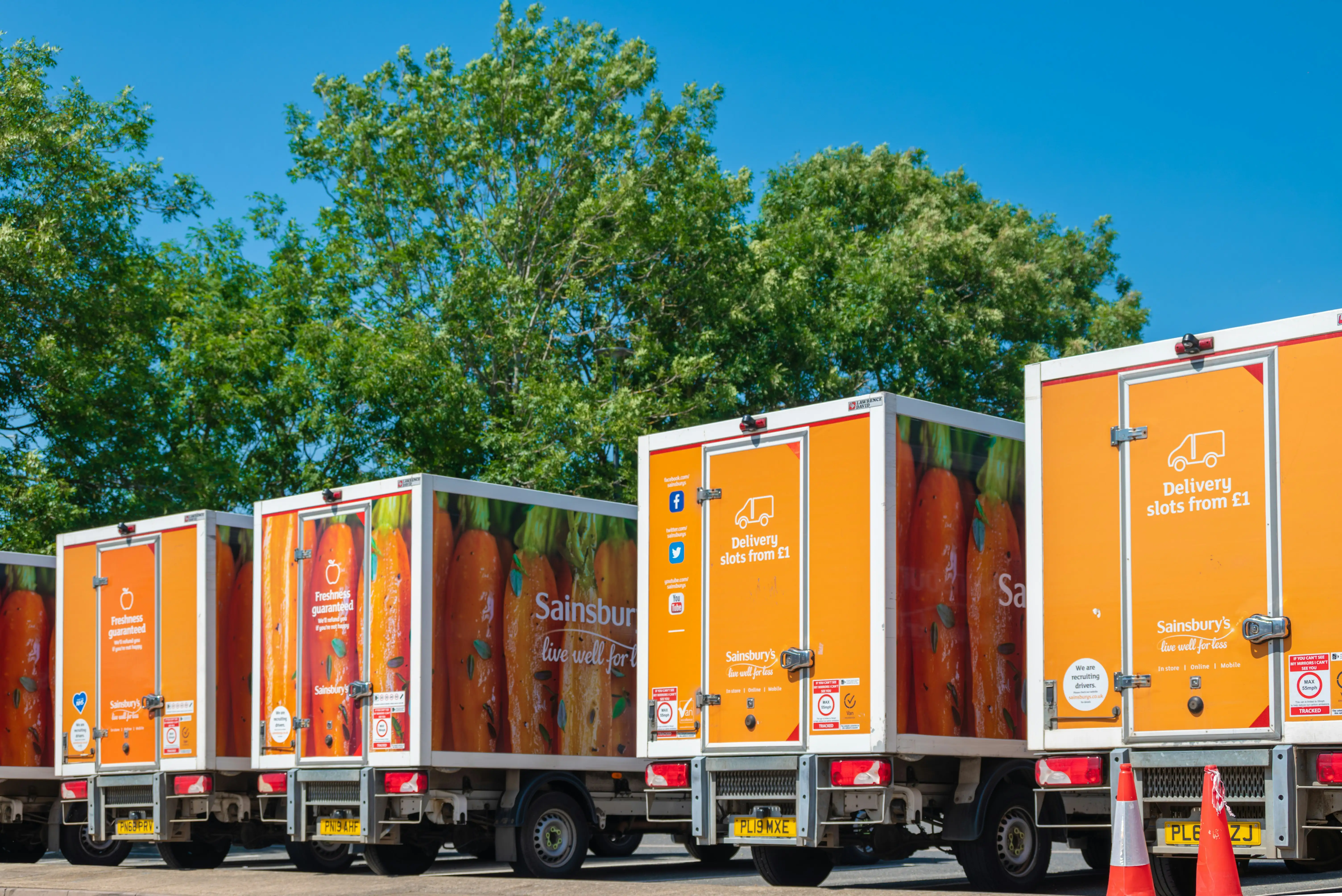
DTC orders benefit from rate shopping across carriers on every shipment. B2B orders need freight quotes, delivery appointments and bills of lading. A hybrid 3PL should handle both, so you're not running a freight desk on the side.
DTC returns need quick inspection, restocking and refunds that keep customers happy. B2B returns might be full pallets of seasonal overstock that need sorting, grading and redistribution. A solid reverse logistics process gets sellable units back into the shared pool fast, where either channel can use them.
We see the same problems again and again when brands add a second channel:
Not every 3PL is built for both channels. Some are parcel shops that struggle with pallets. Others are freight warehouses that can't keep up with DTC speed. Here's what to check.
Wholesale orders come with nuance, like a buyer's special instructions or one PO split across three DCs. ShipBots assigns dedicated account managers who sit inside our warehouses. They see your orders in person and you can reach them by phone, email, Slack or SMS, even on weekends.
Adding a B2B channel takes some trial and error. With no contract ecommerce fulfillment, you're never stuck with a partner that turns out to be wrong for your wholesale needs. We earn your business every month through performance, not legal lock ins.
You should know exactly what you'll pay per order, per case and per pallet. Simple, volume based fulfillment center pricing with no hidden fees makes margin planning across channels much easier.
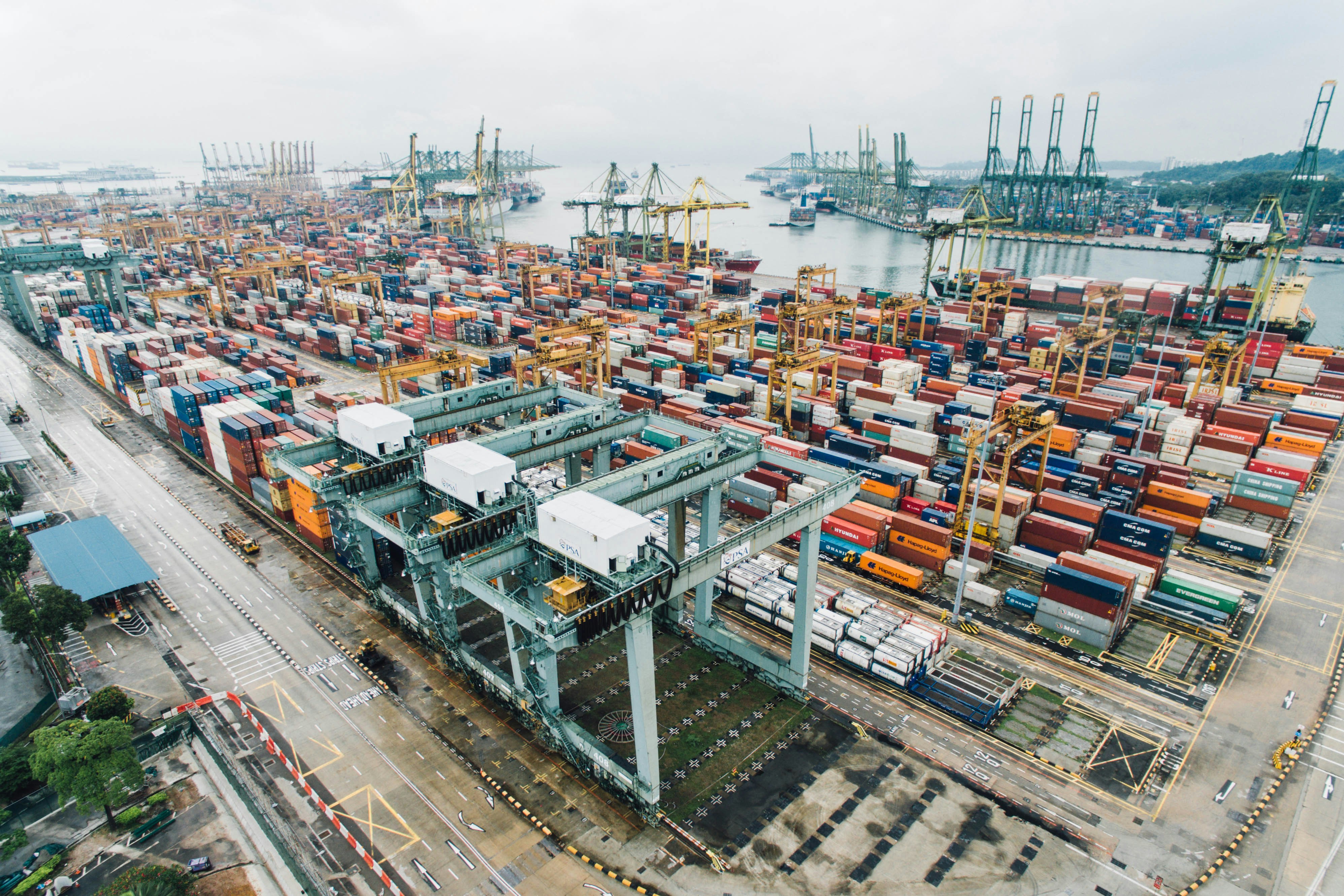
ShipBots runs warehouses on both U.S. coasts, so inventory can sit closer to customers and retail DCs alike. Our warehouse locations cover both sides of the country from a Los Angeles headquarters. That headquarters sits minutes from the Ports of Los Angeles and Long Beach, a real edge for import heavy brands that need goods received quickly.
Hybrid brands rarely sell in only two places. Your 3PL should connect to Shopify, Amazon, TikTok Shop, Walmart, BigCommerce and WooCommerce. As a Shopify Plus Partner, ShipBots offers Shopify fulfillment services that sync orders automatically. We also support Amazon FBA prep when Amazon becomes one more wholesale style customer.
Measure each channel on its own terms. These supply chain KPIs matter most:
Our founder, Payam Ahdoot, started his first online business in 2010. Like many founders, he learned the hard way that fulfillment problems don't stay in the warehouse. They show up as angry customers, lost retail accounts and sleepless nights.
ShipBots exists because he wanted the fulfillment partner he wished he'd had. That means real technology paired with real people who care about getting every order right, whether it's one unit or a full pallet. Today we ship more than 3 million orders a year and manage over 100,000 SKUs for DTC brands, subscription companies and established retail brands.
Hybrid fulfillment means handling B2B and DTC orders from the same operation and inventory. Omnichannel is broader and covers every way a customer can buy, including marketplaces, social commerce and in store pickup. A hybrid setup is often the backbone of integrated retail fulfillment across all of those channels.
Yes. A hybrid 3PL takes care of freight quotes, scheduling, compliance labels and pallet builds. Your job is closing the deal with the buyer and sharing their routing guide with your account manager.
No, not physically. Sharing one inventory pool is what makes hybrid fulfillment efficient. Instead, set allocation rules in your WMS that reserve stock for each channel, so a large PO never empties your storefront. If you're still deciding which model fits your growth plan, the tradeoffs of wholesale vs retail fulfillment are a good place to start.
Get the retailer's full routing guide before your first shipment and confirm every requirement with your 3PL. Most chargebacks come from label errors, missed ship windows or incorrect ASNs. Pack verification plus an account manager who reviews wholesale orders before they leave the dock catches most issues early.
Absolutely. Retailers often want prebuilt bundles or display ready packs. DTC customers want gift sets and subscription boxes. A 3PL experienced in kitting and assembly can build both to your exact specs from the same component inventory.
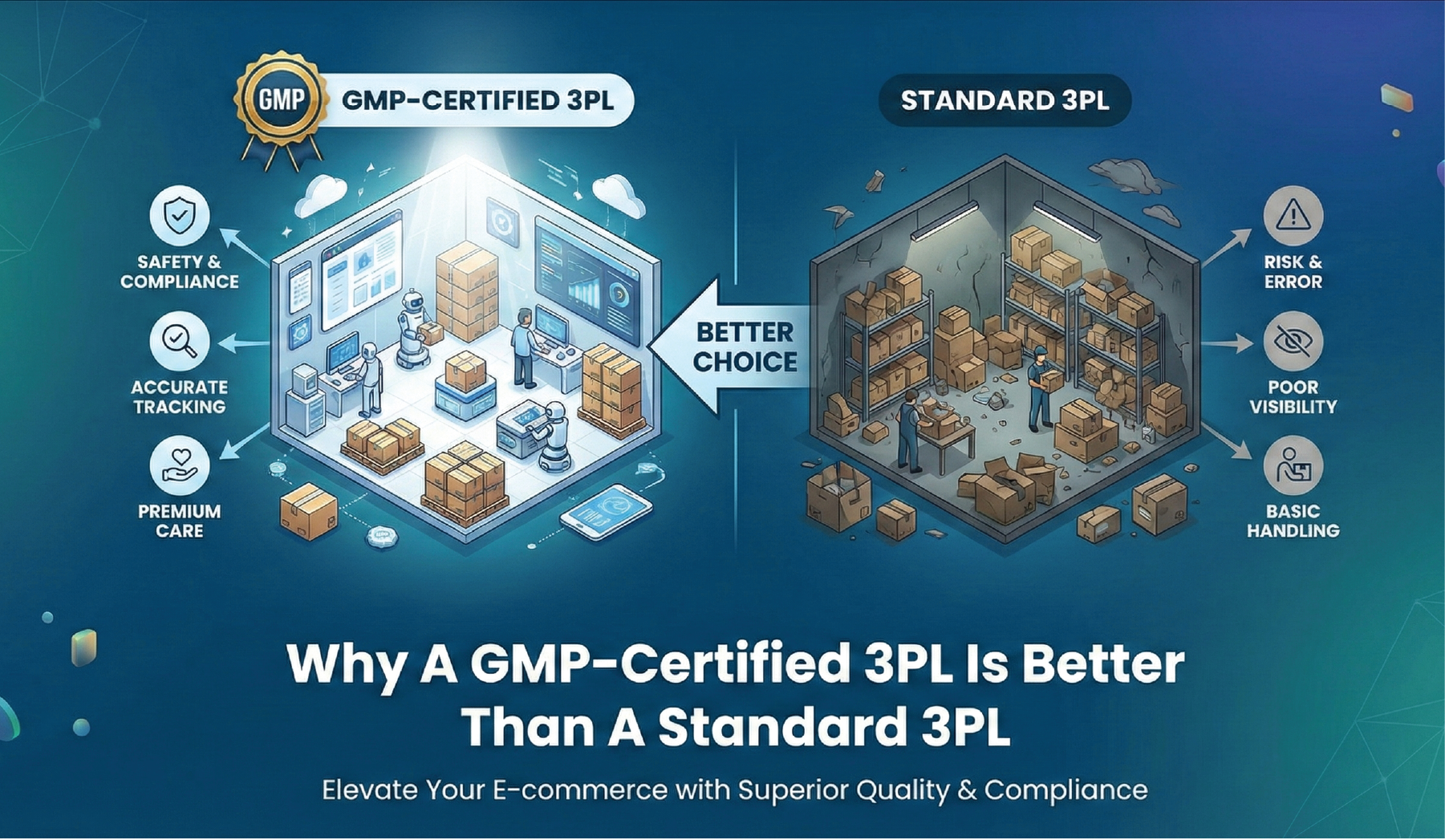
You'll need a warehouse with the right certifications for both channels, since retailers often audit their suppliers' fulfillment partners. ShipBots is an FDA registered facility offering GMP certified fulfillment, with certification through NSF International.
It's time if you're juggling separate vendors for wholesale and DTC, losing margin to chargebacks, or turning down retail orders you can't ship. These signs it's time to switch 3PLs can help you make the call with confidence.
Selling wholesale and DTC shouldn't mean running two separate businesses behind the scenes. With one inventory pool, a team that knows your account and technology that checks every order, you can say yes to the next retail buyer without putting your storefront at risk. ShipBots runs B2B and retail fulfillment from the same shelves as your DTC orders. Get an instant quote and see what one partner for both channels looks like in practice.