A hoodie drop across five sizes and three colorways can sell out before most warehouses even open. That's the problem streetwear fulfillment exists to solve: storing, picking, packing, and shipping limited-run apparel for direct-to-consumer brands whose order volume can go from nothing to a season's worth of sales in twenty minutes.
Most fulfillment operations are built around steady, predictable order flow. Ecommerce fulfillment at that pace is a different problem than what streetwear needs, because streetwear runs on scarcity by design. Limited drops. Collabs announced two weeks out. Restocks with almost no warning. A brand that outgrows its warehouse mid-drop finds out immediately, and not quietly, because the audience notices the second a shipment slips.
Collab culture makes it messier still. A brand running merchandise fulfillment for an artist partnership might be shipping that alongside its core line the same week, doubling the SKU count without doubling the warehouse's headcount. What follows is a look at what actually separates streetwear fulfillment from ordinary DTC fulfillment, and what to look for once a brand is past its first few drops and needs a partner who can keep up.
A typical apparel brand sees demand rise and fall gradually across a season. Streetwear doesn't work that way. One release can generate more orders in sixty minutes than a comparable brand processes in a week, and the fulfillment side still has to hit its same-day or next-day promise the whole way through. There's no ramp-up period to adjust to volume. It's either ready or it isn't.
Size runs compound the pressure. A drop usually covers a tight range, maybe two colorways, sometimes a hard cap set by production months earlier. Every SKU matters when the run is that small. Sell through a medium mid-drop with no real-time visibility into what's left, and the brand loses the sale and picks up a support ticket in the same moment. Inventory has to be tracked to the SKU and variant level, not just the style, or nobody actually knows what's in stock until a customer finds out the hard way.
Then there's the shipping side of drop day itself. Orders need to route from the storefront into the warehouse the instant they're placed, no manual queue sitting in between. Brands prepping stock for Amazon FBA prep ahead of a broader push run into the same crunch, and a warehouse staffed for an average week simply won't keep up once a release takes off. The fix isn't more warehouse space. It's planning pick-and-pack capacity around a release calendar instead of a flat weekly average.
Apparel already carries a higher return rate than most product categories, and streetwear has its own version of the problem layered on top. The National Retail Federation's 2025 Retail Returns Landscape report puts <cite index="15-1">19.3% of online sales expected to be returned in 2025</cite>, with apparel sitting near the top across the industry. Sizing uncertainty drives most of that. In streetwear it shows up a little differently too: buyers ordering two sizes of the same hyped piece, planning to keep whichever one fits and send the other back once they know.
None of that matters much if returns move slowly. Inventory needs to get back to sellable condition fast, or it turns into a backlog that's still unresolved by the time the next drop lands. And in a category where condition and authenticity matter almost as much as fit, a returns process that feels careless doesn't just cost money. People talk about it.
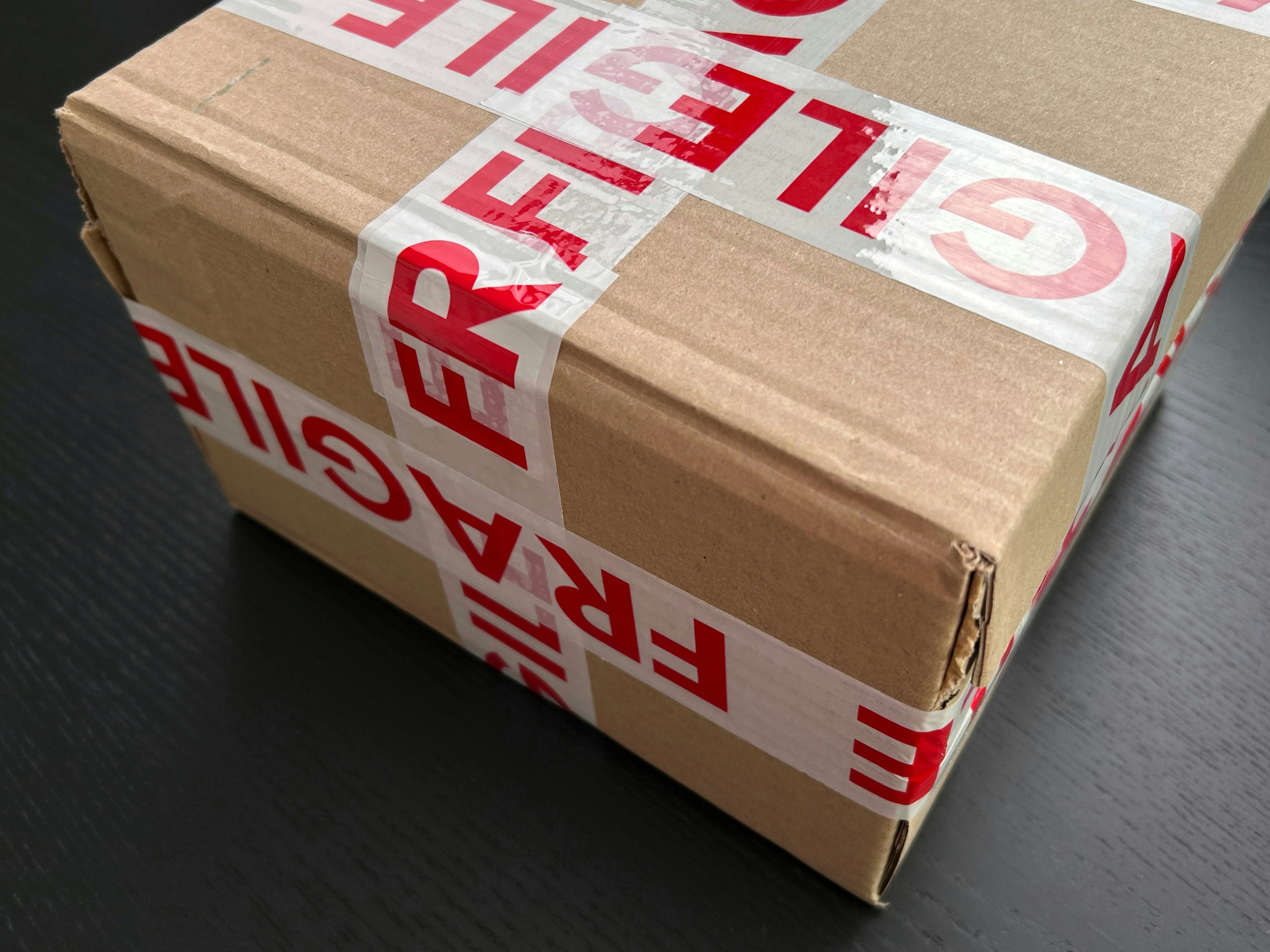
Packaging deserves the same attention, honestly more than most brands give it. Unboxing is part of the product with streetwear. Weeks of hype-building can get undone if the box shows up looking like an afterthought, which happens more often than it should when packaging rules aren't written down anywhere and every shift packs a little differently. Folded garments, boxed accessories, any collab inserts included in the order all need to arrive the way the brand actually intended. That kind of consistency only holds up at volume when there's a documented standard behind it, not a habit someone picked up on their first week.

DTC-only rarely stays that way for long. Most streetwear brands eventually pick up wholesale accounts or boutique partnerships, which means B2B and retail fulfillment has to run through the same system as the direct-to-consumer storefront instead of becoming a separate process someone manages by hand on the side.
International orders tend to show up earlier than brands plan for, sometimes well before there's a real international strategy in place. That's where international shipping support, customs paperwork and all, starts to matter. A brand shouldn't have to turn away a global audience just because the logistics haven't caught up with the demand yet.
The broader market backs up why this matters. U.S. ecommerce keeps outpacing in-store retail, and the <cite index="37-1">U.S. Census Bureau put total 2025 e-commerce sales at roughly $1,233.7 billion</cite>. A brand riding that growth needs fulfillment that scales with a release calendar. Not a warehouse that becomes the bottleneck the day a drop finally goes viral.
Where the orders actually come from matters too. A lot of streetwear sells through social platforms now, not just a storefront. Shopify fulfillment still runs the core site for most brands, but TikTok Shop fulfillment has become its own channel for brands building hype through video. Skip the inventory sync between them and a limited item can oversell on one platform while the other still shows stock that's already gone.
None of this is theoretical. A brand that's spent a year building an audience on TikTok knows exactly how fast a piece of content can turn into three hundred orders overnight, sometimes before the warehouse team has even seen the notification. Fulfillment either keeps pace with that or it becomes the reason a viral moment turns into a wave of refund requests instead of repeat customers who tell their friends.
ShipBots runs apparel and streetwear fulfillment for brands that need speed and accuracy without adding chaos to drop day. Inventory sits organized by SKU, size, and variant, so picks stay accurate even when a warehouse is moving thousands of orders in an afternoon. Same-day and next-day processing keep drop orders from stacking up in a queue, and returns follow each brand's own policy rather than a generic script.
That approach isn't accidental. Why ShipBots exists comes down to founder Payam Ahdoot running his own ecommerce brand and getting burned by fulfillment partners who couldn't handle volume the moment it spiked. Pricing has stayed simple and volume-based ever since, with no long-term contract required, and current fulfillment pricing is available to review before anyone signs anything.
A good drop deserves a warehouse that can actually keep up with it. SKU-level accuracy, real-time channel syncing, and returns handled like part of the job instead of an afterthought all add up to apparel fulfillment that absorbs the spike so a brand can focus on what's next. Get an instant quote to see what that looks like.
Demand shape, mostly. Streetwear orders arrive in bursts tied to drops and restocks instead of a steady daily flow, so the warehouse has to absorb a huge spike on release day without slipping, on top of the size and color complexity any apparel brand already deals with.
Real-time inventory syncing across every channel, and orders processed the moment they land instead of sitting in a queue. Brands planning a big release usually coordinate ahead of time with their fulfillment partner so extra picking capacity is already staffed, rather than scrambled together once orders start piling up.
They can. Many streetwear brands connect a returns platform like Loop for automated returns directly to their fulfillment provider, so items come back and get restocked without a support rep manually tracking down each package.
Usually a few weeks, though it depends on inventory volume and how many sales channels need to sync. It's worth looking at how ShipBots works before committing, just to get a clear picture of what onboarding actually involves.
It does. WooCommerce fulfillment is supported alongside Shopify, Amazon, and TikTok Shop, with inventory kept in sync across all of them in real time.
International orders take longer than domestic ones simply because of customs, but strong carrier relationships and proximity to major ports keep last mile delivery fast once a package actually clears, even in the middle of a high-volume release.


.svg)




.jpg)
.jpg)





.jpg)















.jpg)