If you want to reduce apparel returns quickly, start with the ones your warehouse caused. Fit gets all the attention, and it should, but a real chunk of clothing returns come from packing and shipping mistakes: a medium sent instead of a large, a white hoodie with a gray smudge on the sleeve, a two piece set missing its bottoms. Add those up and you can get close to 30% of the reasons shoppers give for sending clothes back.
None of that has anything to do with your size chart. It gets decided in the few seconds before somebody tapes the box shut.
We see this constantly when apparel brands move their inventory to us. They've spent months on fit quizzes and model measurements, and their return rate barely moved, because a good share of the returns were never about fit in the first place. They were about order accuracy.
It adds up fast. The National Retail Federation's 2025 Retail Returns Landscape report put expected online returns at 19.3% of sales for 2025, and clothing usually lands above that. Every one of those returns runs through your reverse logistics process, which means a return label, somebody inspecting the item, refolding it, and hoping it's still sellable.
[IMAGE: apparel_pack_station_verification.jpg | Alt: Warehouse associate scanning a folded shirt at an apparel pack station before sealing the order]
Fit is still the biggest single reason. When Coresight Research surveyed US apparel brands and retailers, 53% named size and fit as a top driver of online returns. Coresight also estimated the average online apparel return rate at 24.4%, which is roughly one in four orders coming back.
Packing won't fix that part. Better product pages will.
The same survey had color at 16% and damage at 10%, though, and that's where it gets interesting. Some "wrong color" complaints really are about a photo that ran too warm. Others happen because the navy bin sits right next to the black bin and a picker grabbed from the wrong one at 4pm on a Friday.
A YouGov survey from September 2025 asked US adults why they returned things. About a third (34%) mentioned an item that was damaged or defective. Roughly a quarter said they got, or ordered, the wrong thing.
That survey covers every category, not just clothing, and a damaged item isn't automatically a packing failure (factories ship defects too, and carriers are not gentle). So treat the 30% figure in our headline as the upper end. Even if your number is half that, it's the most fixable slice of your return rate.
[IMAGE: apparel_return_reasons_breakdown.jpg | Alt: Chart comparing apparel return reasons including fit, color, damage, and wrong item shipped]
If you've read through common apparel fulfillment challenges, a few of these will sound familiar. The difference here is that each one ends with a customer printing a return label.
Apparel multiplies SKUs. One tee in six sizes and five colors gives you 30 SKUs that look almost the same on a shelf, and a tired picker can grab a heather gray instead of a light gray without blinking.
It's the most expensive kind of return, because you pay twice. You eat the return shipping and handling, then you ship the correct item again on your own dime. And the customer knows it was your fault, which stings more than a fit return ever will.
Clothing seems tough until it isn't. We've seen a box cutter slice straight into a stack of hoodies during receiving. Dye from a dark pair of jeans transfers onto a cream sweater packed in the same mailer. Structured hats get crushed flat in a bag two sizes too small, and beaded tops snag on a zipper from another item.
The customer doesn't care whose fault the stain is. They want their money back.
Sets and bundles break more often than single items. The matching set arrives with only the top. A sock three pack has two pairs in it. Usually the customer returns the whole order instead of waiting for you to ship the missing piece, so a small miss becomes a full refund.
This one hardly ever gets its own reason code, and that's exactly why it slips by. The item is correct and technically undamaged. It's also wadded into a ball with no hang tag, and it looks like it came out of a donation bin.
People paying full price for something new expect it to look new. When it doesn't, they tick "not as described" or "quality not as expected," and your product team goes hunting for a fabric problem that's really a folding problem. Good apparel packaging standards take care of most of this.
Nothing below is complicated. The hard part is doing it on every single order, including the 2,000 that come in the morning after a drop.
Scan at pick, then scan again at pack. The first scan proves the right SKU left the shelf, and the second proves it went into the right order. That one extra beep catches nearly all the size and color swaps a person's eyes will miss.
Clean barcoding matters here. Every size and color variant needs its own label, applied when the inventory is received, rather than trusting whatever tag the factory sewed in.
Scans confirm a barcode. They can't tell you the shirt was clean, folded right, or that the second item made it in. A camera over each pack station gives you footage of what actually shipped, so when a customer says the order was missing a piece, you look it up instead of arguing about it. Over a few months that footage also shows you which styles and which shifts cause the most problems.
A five second visual check catches stains, loose threads, a broken zipper, a missing tag. For your highest return styles, go further and check at receiving so defective units never land in a sellable bin. A written warehouse inspection process makes this something the whole team does, not just the one careful person on the morning shift.
Take photos of what you find and send them to your factory. Now it's a supplier conversation instead of a cost you quietly absorb.
[IMAGE: garment_quality_check_before_packing.jpg | Alt: Associate inspecting a hoodie for stains and loose threads before folding it for shipment]
"Fold it nicely" means something different to every person on the floor. Your SOPs should spell out the fold for each style, whether it gets tissue or a polybag (or both), where the hang tag sits so it's visible, and which inserts go in which orders. Tape a photo of a correctly packed order to the station.
Your best packers probably don't need it. Your seasonal hires in November absolutely do.
Soft basics like tees, leggings and socks are usually fine in a poly mailer, as long as the fold fits the mailer and the garment can't slide around and crease. Structured pieces are different. Blazers, outerwear and hats belong in a box with some dunnage (crinkle paper works well) so nothing collapses in transit.
Light colors should always get their own inner bag. If an order has a dark denim piece and a white tee, they shouldn't be touching.
Size matters for cost too. An oversized box raises your billable weight and gives the garment room to bounce around. If your brand cares about sustainability, recycled mailers and paper fill do the job fine, and eco friendly packaging protects clothes just as well as plastic when it's sized right.
In fashion the box is part of the product. A clean fold, tissue in your brand color and a visible tag tell the customer they got what they paid for. We've noticed that brands with a strong unboxing experience see more exchanges and fewer straight refunds when the fit is off, which makes sense; people are more forgiving when the first impression was good.
You can't fix what you lump together. Split returns by reason and give each reason an owner.
Fit complaints (too small, too big) go to your product team, since that's a size chart or fit note problem. Wrong item, wrong size or wrong color received belongs to the warehouse, every time. Same for missing pieces on multi item orders.
Damaged or stained items are a little murkier. Some of it is packaging and handling, which is on the warehouse, and some is a factory defect you should be raising with your supplier. "Not as described" is shared; it might be a photo, or it might be how the item looked when it came out of the bag. And "changed my mind" is mostly about shopper behavior, which your return policy handles better than anyone on the floor can.
If you run Loop Returns, make sure those reason codes travel with the return to the warehouse. A "wrong item received" return should send somebody back to that order's pack footage, not just straight to a restock shelf.
Then track mispicks, damage and missing items per thousand orders as part of your warehouse KPIs. Check them monthly. When one style keeps showing up in the damage column, change how that style gets packed and watch the number for another month.
Your policy does some of the work as well. Clear returns management rules on tags, condition and timing cut down on wardrobing and make inspection faster on your end.
[IMAGE: apparel_returns_reason_code_dashboard.jpg | Alt: Dashboard showing apparel returns split by reason code with mispick and damage rates]
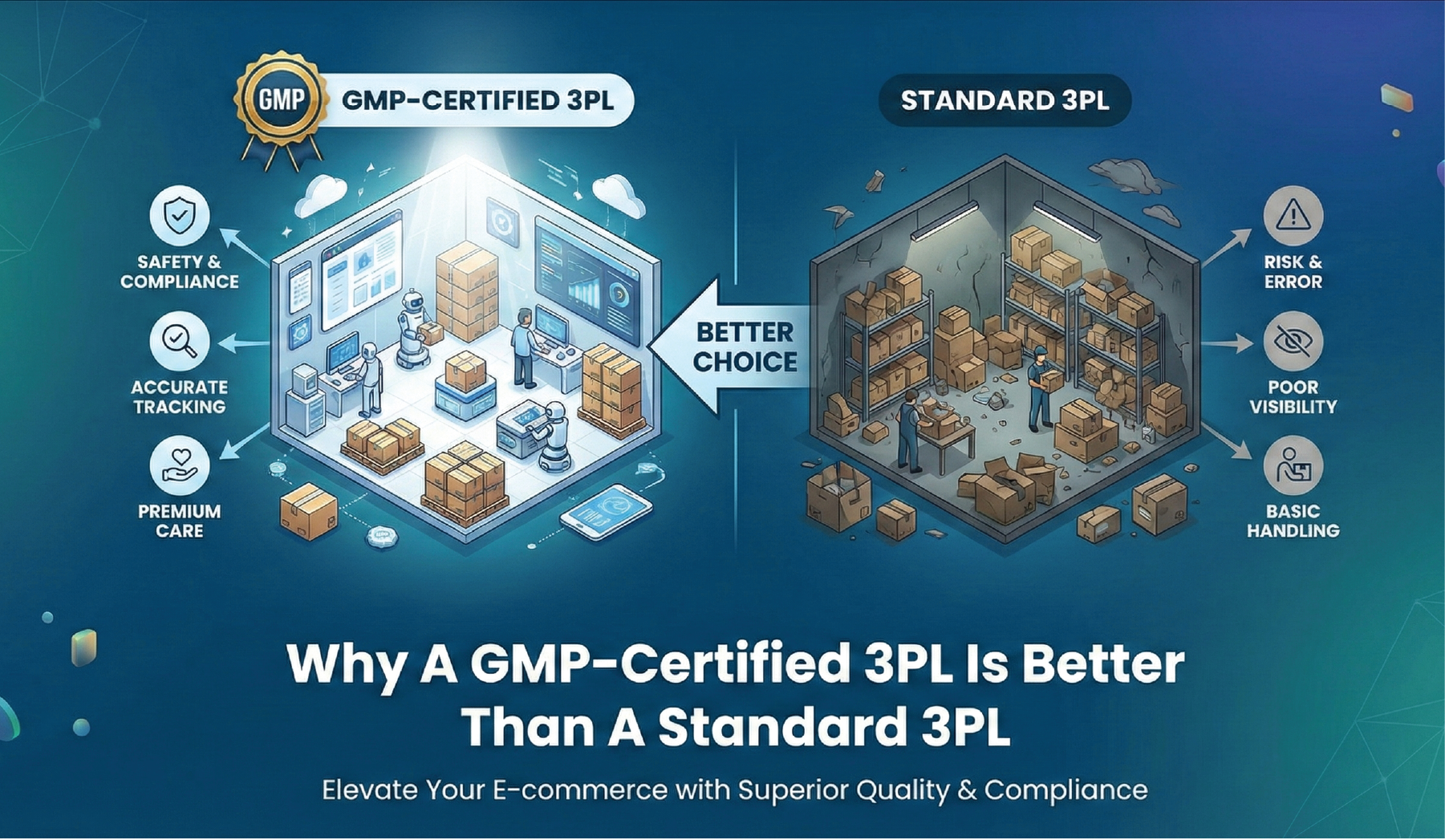
If someone else packs your orders, every packing return is their mistake landing on your P&L. It's fair to ask for proof that they're on it.
Start by asking for their accuracy rate and how they measure it. Ask whether they can pull up footage of a specific packed order, and how quickly. You want packing specs written per style with your input, receiving inspection for new inventory with photos when something's off, and someone who actually knows your brand and picks up the phone the same day.
Order volume shouldn't change any of that. A brand doing 300 orders a month deserves the same attention as one doing 30,000 (we'd argue the smaller brand needs it more, since one bad week can wipe out a month of margin). If your current provider goes quiet when you ask for this data, it might be time to switch 3PL partners.
Drop based brands feel all of this harder. When a limited run sells out in an hour, there's no backup stock to cover a mispick. Our piece on streetwear fulfillment goes deeper on keeping accuracy up when volume spikes overnight.
Payam Ahdoot started selling online back in 2010, and he dealt with plenty of these returns himself before ShipBots existed. A lot of how we run the floor today came straight out of those years.
Orders get verified before they ship, and our accuracy rate sits at 99.999%. Pack stations use Vision AI to record what goes into each box, so if a customer says something was missing we can show you the footage.
Your account manager works inside our warehouse. That sounds like a small detail until you need someone to walk over to your bins, check a packed order and update a fold spec that same afternoon. Folds, tissue, inserts and bags all follow your instructions for each style.
On speed, we ship 99.9% of orders same day and get new inventory from the dock to sellable stock within 48 hours. You can watch it all in our inventory portal (it runs on ShipHero) alongside your Shopify, Amazon, TikTok Shop and Loop connections.
Pricing is volume based and posted openly, so you can review our fulfillment center pricing before talking to anyone. We're also a no contract 3PL. If we're not earning your business every month, you can leave.
Most online apparel brands land somewhere between 20% and 30%, and some categories run higher. Coresight Research put the average at 24.4%. Where you fall depends a lot on product type, price and how well your fit info matches reality.
Yes. It won't fix a size chart, but it prevents stains, crushed garments and the "looks used" returns that usually get logged as quality complaints. Pair it with solid pick and pack fulfillment and you also cut down on wrong item and missing item returns.
Look at your reason codes first. If wrong item, missing item or damaged on arrival keep growing as a share of returns, the warehouse is the likely source. Ask your 3PL for their accuracy and damage numbers and for footage of a disputed order; a good one will have both ready.
Add a second scan at the pack station and write packing specs for your top 20 styles. Neither costs much, and together they go after the priciest return there is, shipping the wrong item. Receiving inspection for your problem styles is a good next step.
No. Check every returned garment for stains, smells, missing tags and wear before it goes back on the shelf, then refold and rebag the ones that pass. A clear ecommerce returns management process keeps a damaged item from going out to a second customer.
Packing problems can start shrinking next week, if somebody's actually watching the pack station. Want to see how we'd handle your styles? Take a look at our apparel fulfillment setup and ask for a quote based on your SKUs. How many of last month's returns do you think started on the warehouse floor?