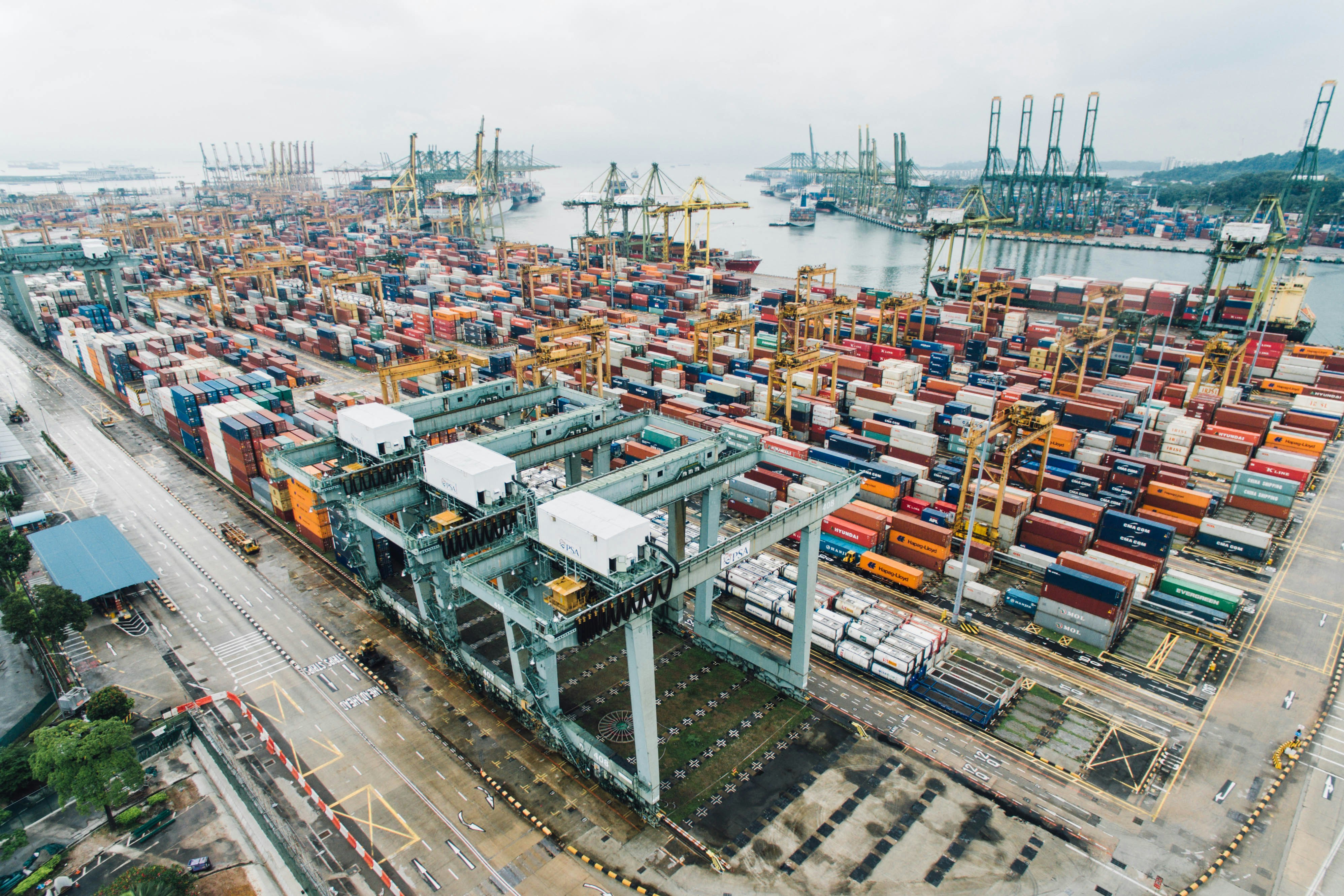
Outsourcing fulfillment for Amazon helps you reduce storage fees, improve packaging control, strengthen inventory accuracy, and build a scalable operation that isn’t tied to FBA constraints. With a 3PL handling operations, you can redirect your time toward growth, product development, and new channel expansion.
Selling on Amazon gives you incredible reach, but it comes with strict prep rules, unpredictable storage fees, and operational work that tends to pile up fast. Many brands reach a point where they can’t grow further without help. When that happens, outsourcing fulfillment becomes the accelerator that keeps your business moving without adding operational chaos.
As a fulfillment partner, we see this pattern daily: sellers start with FBA alone, then transition into a hybrid model because it offers more control, more stability, and better long-term economics.
Amazon requires precise labeling, packaging, and carton preparation before inventory can be accepted. A simple mistake can delay check-in or trigger penalty fees. That is why many sellers work with us for amazon FBA prep and let our team handle the accuracy requirements.
We’ve seen everything from mislabeled cartons to units packaged incorrectly. Issues like that can set back your entire supply chain, which is why proper preparation is essential.
As a 3PL, we manage:
When sellers expand into Shopify, our shopify fulfillment support removes the friction of managing two different fulfillment systems.
Prime shoppers trust Amazon for fast and reliable delivery. That credibility helps new sellers convert at higher rates without building their own infrastructure.
Questions, delivery issues, and refund requests all flow through Amazon. That’s a relief for sellers who don’t have dedicated support teams.
Amazon can also ship orders from other platforms, but the costs aren’t always ideal once your volume increases.
FBA works well until your volume grows or your catalog becomes more complex. At that point, limitations start to show.
Amazon storage costs spike during peak seasons. Many sellers move most of their stock to a 3PL to avoid long term penalties and keep only fast movers inside Amazon’s network.
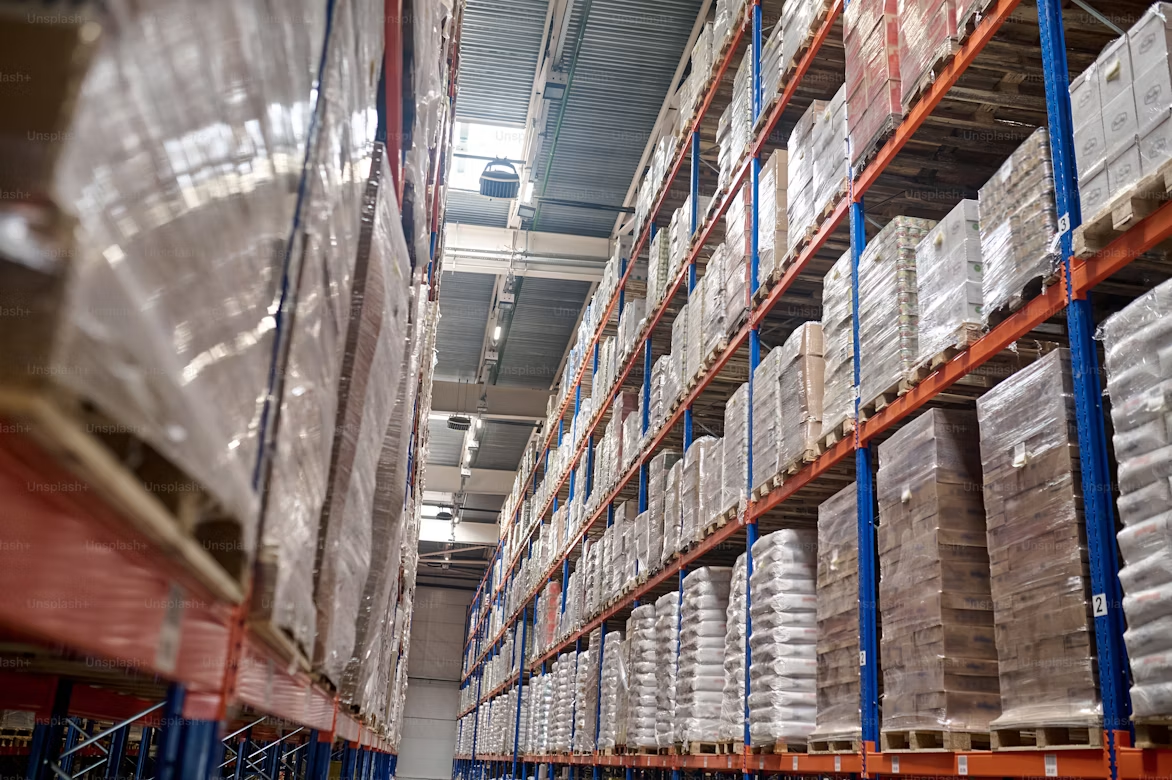
Our clients often reference our warehouse shipping capabilities when they need more stable storage across zones.
Amazon ships from whichever warehouse is closest to the customer, which can lead to inconsistent product variations. If your brand relies on curated packaging, batch control, or kitted sets, this becomes a problem.
FBA shipments arrive in Amazon-branded boxes. This limits branding, especially for apparel collections where we support clients through fashion fulfillment and detailed presentation workflows.
Getting help from Amazon can be slow, which is why many sellers prefer working with a 3PL team that communicates directly.
Storing bulk inventory at our 3PL facilities is significantly more affordable than Amazon’s long term rates. You can replenish FBA in smaller batches based on real demand.
We often help sellers map out replenishment plans using principles similar to those covered in our guide on supply chain forecasting so they aren’t overloading Amazon during slow months.
We prep and label thousands of units for Amazon every month. That hands-on repetition keeps your inbound shipments error free.
As your catalog grows, we expand your storage and fulfillment footprint without requiring you to take on warehouse space yourself. This matters a lot for brands moving into recurring shipments or curated boxes, where workflows resemble the structure discussed in our subscription box fulfillment guide.
Amazon storage fees double during Q4. By holding your bulk stock with us, you can keep Amazon storage lean and avoid unnecessary costs.
Outsourcing fulfillment for Amazon helps you scale not only on Amazon but across every marketplace.
Clear reporting helps you avoid stockouts and over-ordering. Many sellers track their inventory strategies using principles from resources like our inventory vs stock and stock control guides. This creates smoother forecasting cycles throughout the year.
When sellers expand beyond Amazon, operational consistency becomes essential. We support:
This keeps your entire business under one fulfillment infrastructure instead of running multiple workflows across different platforms.
Some products require unique workflows, including temperature-sensitive goods supported through our temperature control fulfillment warehouse or nutraceutical lines supported through nutraceutical fulfillment.
We optimize shipping routes across carriers based on the principles covered in our articles like parcel vs LTL vs FTL shipping and last mile delivery. That flexibility helps sellers compete with Amazon’s delivery standards outside the FBA network.
Most sellers eventually use a hybrid model. It creates the most balanced, cost-efficient structure.
Once you factor in Amazon storage, labor, packing supplies, and your own time, outsourcing is often the more affordable long-term option.
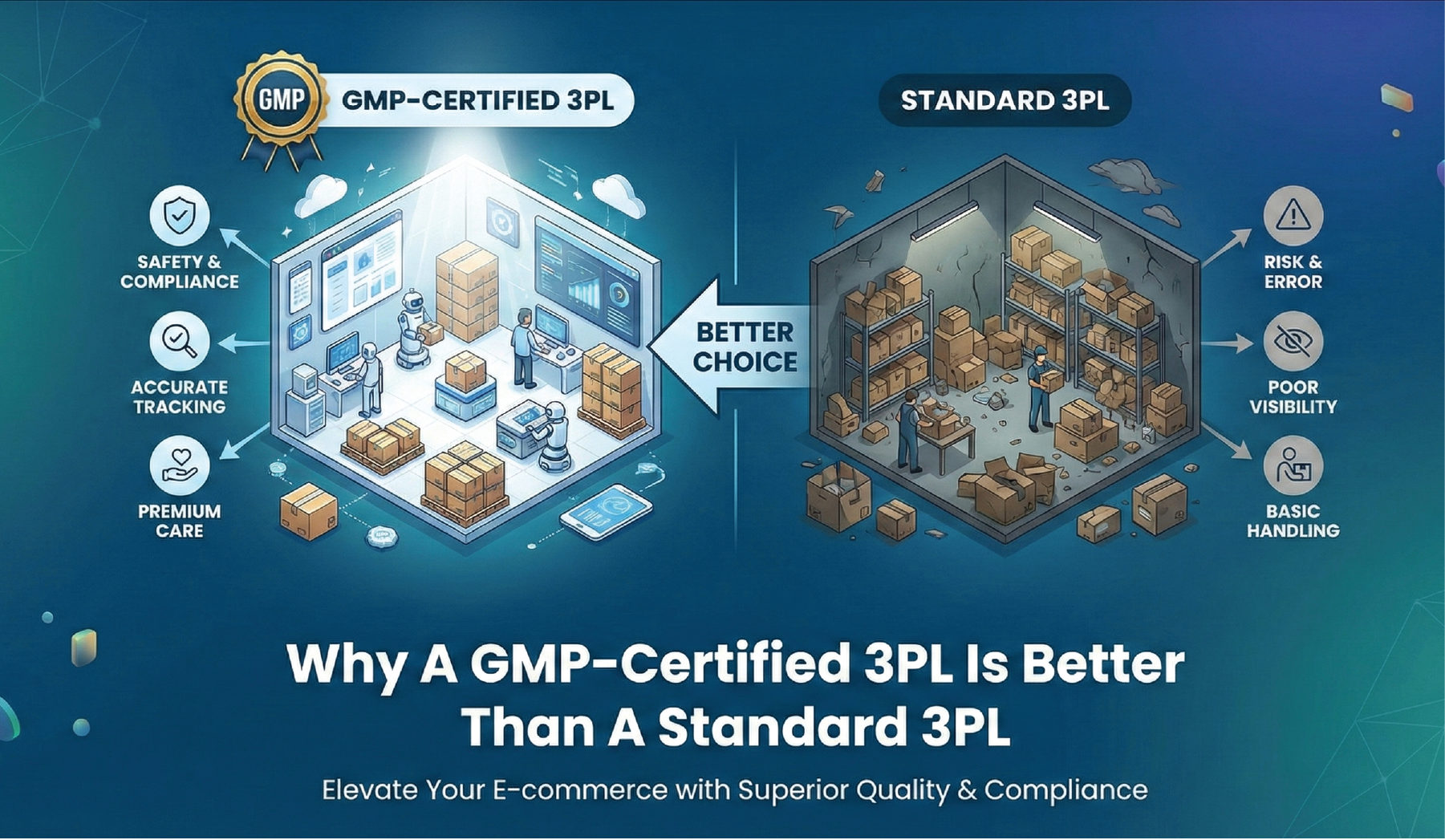
A 3PL gives you more visibility, not less. You get insights into movement, storage, and replenishment accuracy.
Smaller brands benefit immediately because they can focus on growth instead of operations.
When brands are ready to move beyond reactive operations, outsourcing fulfillment for Amazon becomes one of the most strategic steps. It stabilizes your supply chain, opens the door to multichannel selling, and gives your team the headspace to work on brand development.
Many sellers also use guidance from our articles like outsourcing in supply chain management or types of warehouses as they plan expansions into new markets or product categories.
At ShipBots we’ve helped thousands of Amazon sellers transition into sustainable, scalable operations. Outsourcing fulfillment for Amazon isn’t just about saving time. It’s about building a fulfillment foundation that supports every part of your business as you grow.
If you want a fulfillment partner that understands the Amazon ecosystem and gives you the flexibility FBA can’t match, we’d love to help you get started.




.svg)




.jpg)
.jpg)





.jpg)















.jpg)