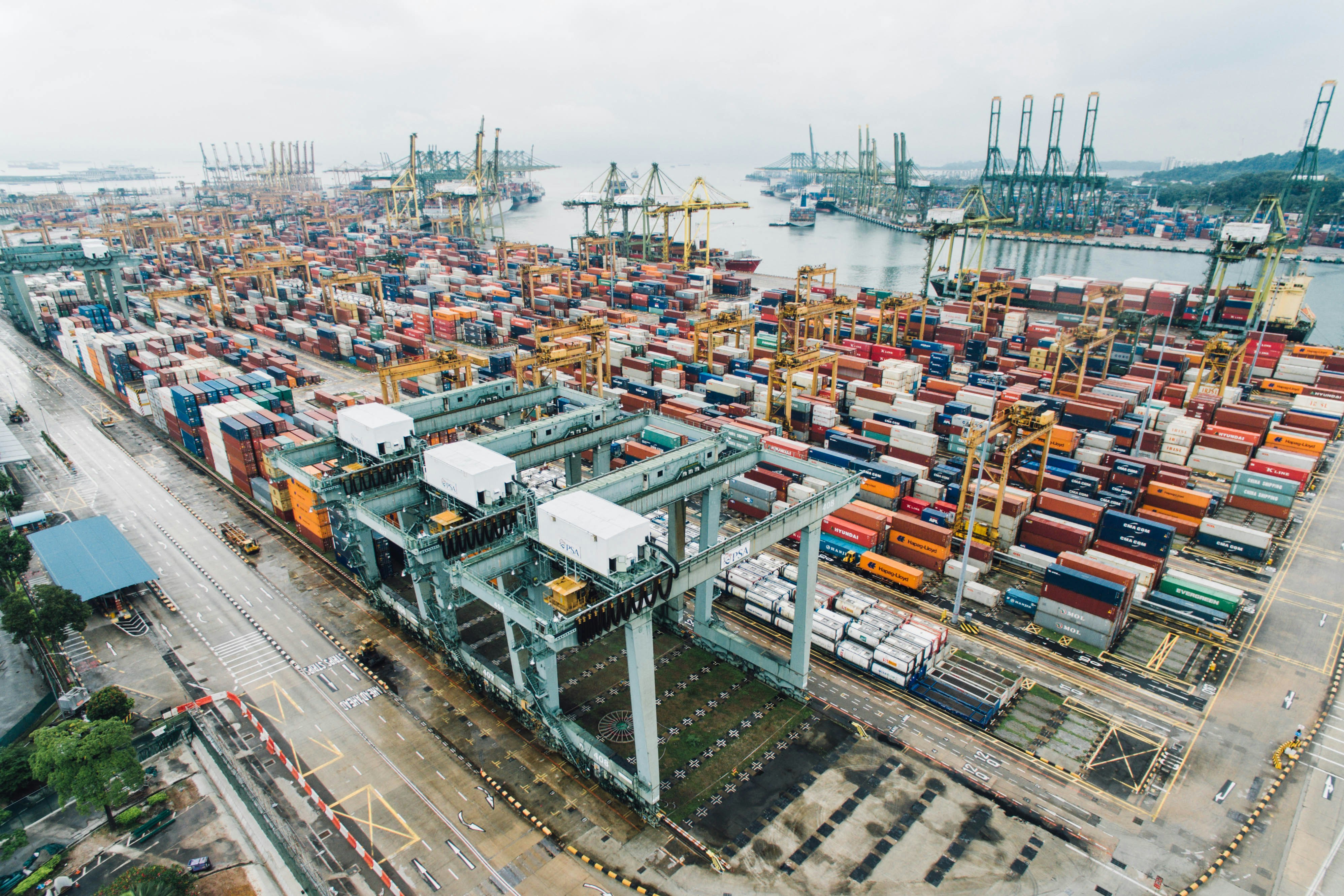
DDU vs DDP comes down to one question: who pays the import duties? Under DDU (Delivered Duty Unpaid), your customer pays duties and taxes when the parcel lands, often at the door, often as a surprise. Under DDP (Delivered Duty Paid), you pay them, collect them at checkout, and the customer gets a package with nothing owed. DDP costs more per order and takes more setup. It also removes the single biggest reason international shoppers refuse deliveries and never come back.
If you're weighing the two, start here: DDP is the default for DTC ecommerce, and DDP shipping is what most brands scaling international ecommerce shipping end up standardizing on. ShipBots runs Passport DDP international shipping for exactly that reason.
One thing to know before you go further: DDU is no longer an official Incoterm. More on that below, because it changes how you should write your shipping terms.
Seven differences that decide the call:
DDU stands for Delivered Duty Unpaid. The seller gets the goods to the named destination country and stops there. The buyer handles import clearance, pays the duties and taxes, and covers any broker or handling fees the carrier tacks on.
Here's what that looks like in practice. A customer in Seoul orders from your store. Two weeks later a courier shows up and tells her she owes an import charge before she can have her package. She wasn't told at checkout. She either pays a bill she didn't expect, or she refuses the parcel and it sits in customs until it's abandoned or returned at your expense.
That's not a rare edge case. It's the standard failure mode of DDU in a DTC context, and it's why the term has largely fallen out of favor for consumer shipping.
Where DDU still works:
Where DDU breaks down:
The International Chamber of Commerce removed DDU from the Incoterms rules in the 2010 revision and replaced it with DAP (Delivered at Place). DAP carries effectively the same obligations: the seller delivers to the named place, the buyer clears customs and pays the duties.
DDU still shows up constantly in carrier portals, 3PL quotes, and legacy contract templates. That's fine in conversation. In a contract, write DAP, Incoterms 2020 with the named destination spelled out. If a supplier hands you a document that says DDU, treat the obligations as DAP and get the delivery point in writing.
This is one of those distinctions worth keeping straight alongside the rest of your common shipping terms ,vague delivery language is where customs disputes start.
DDP stands for Delivered Duty Paid. The seller takes on everything: freight, export clearance, import clearance, duties, taxes, and delivery to the customer's door. The customer sees one total at checkout and pays nothing on arrival.
For ecommerce, this is the model that matches how people expect to buy online. Duty-inclusive checkout means:
The trade-offs are real, and you should price for them. You carry the duty cost and the risk of delays or damage in transit. Depending on the market, you may need to register for VAT or GST locally, or use a partner who can act as Importer of Record on your behalf. And a handful of countries restrict DDP entry outright or for specific product categories, so market-by-market checks matter.
That coordination is the part brands underestimate. Getting DDP right means your warehouse, your carrier, and your duty calculator all agree on HS codes and declared values on every order ,which is why it works best inside a single 3PL logistics workflow rather than stitched together across three vendors.
This is the biggest shift in cross-border ecommerce in a decade, and it rewrites the old DDU playbook.
For years, the advice was simple: use DDU for low-value orders, because duties only kick in above a country's de minimis threshold. In the U.S. that threshold was $800. In the EU it was €150. Below those lines, most parcels cleared duty-free and DDU was effectively free of customer friction.
Both thresholds are now gone.
United States. The $800 de minimis exemption was suspended for China and Hong Kong in May 2025, then for all countries effective August 29, 2025. On June 24, 2026, CBP made the suspension indefinite by regulation, meaning every shipment ,regardless of value or origin ,now requires formal or informal entry and is assessed duties, taxes, and fees. The rule is published in the Federal Register.
European Union. As of July 1, 2026, the EU removed its €150 customs duty exemption for consignments arriving from outside the bloc. A transitional flat customs duty of €3 per tariff heading now applies to in-scope low-value B2C parcels, per the European Commission. A parcel with two differently classified items attracts two charges.
What this means for your DDU vs DDP decision:
If you sold into the U.S. on the old model ,the one that made Shein shipping and similar direct-from-Asia flows so cheap ,that model no longer exists in its old form. Rebuild your pricing around the new duty stack.
DAP vs DDP is the same decision as DDU vs DDP, just in current Incoterms language. Use DAP when the buyer is genuinely equipped to import.
For anything sold to a consumer, the math almost never favors DAP. The savings show up on your invoice and the cost shows up in refused parcels, support tickets, and one-star reviews about a customs bill.
Use DDP for consumer orders. Specifically:
DDP is also what makes tracking honest. When duties are prepaid, the parcel keeps moving and the tracking event you show the customer reflects reality ,instead of a silent hold that surfaces later as a delivery exception.
Classify your products properly. Get accurate HS codes on every SKU. Everything downstream ,duty rate, landed cost, clearance speed ,depends on it.
Check each destination market individually. Duty rates, VAT registration thresholds, restricted categories, and DDP eligibility vary. What works for Canada may not work for Brazil.
Price the duty in, don't absorb it silently. Run the landed cost per market. Then decide whether to build it into the product price, charge it at checkout, or set a free-shipping threshold above it.
Be transparent at checkout. Tell the customer exactly what they're paying and what they're not. If you're shipping DAP to a market, say so on the product page ,not in a confirmation email after the sale.
Pick a fulfillment partner who handles both. The right 3PL treats export documentation, duty calculation, and clearance as one workflow, and the 3PL fulfillment process is where those pieces either connect or fall apart.
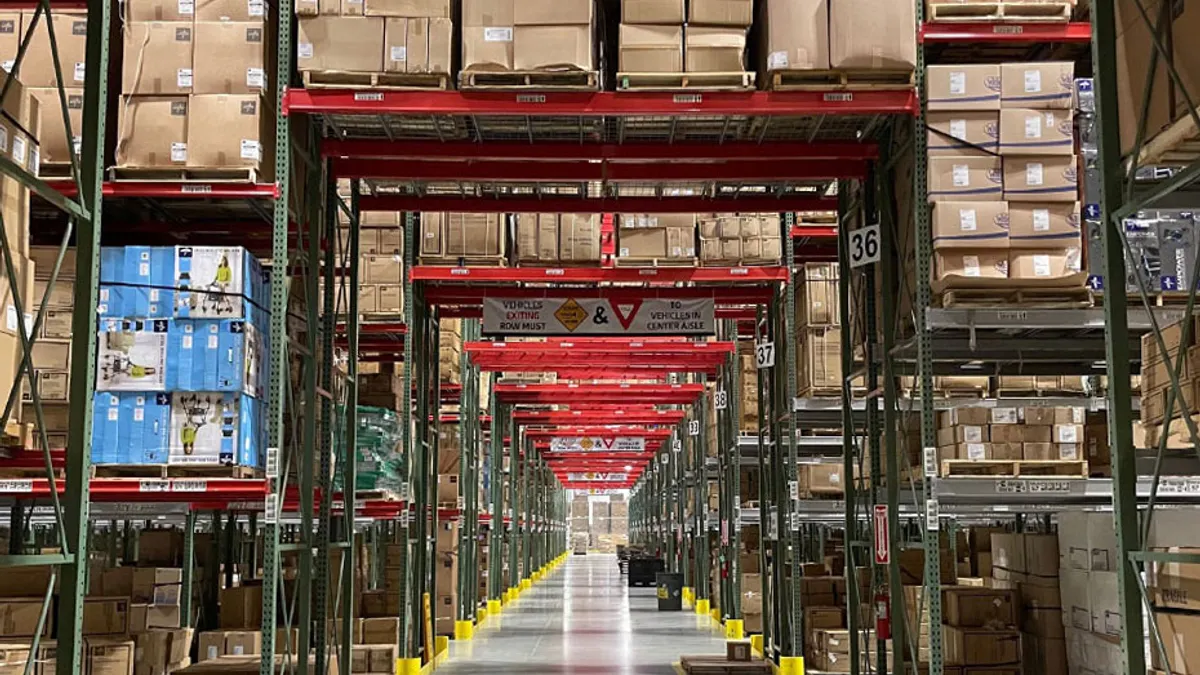
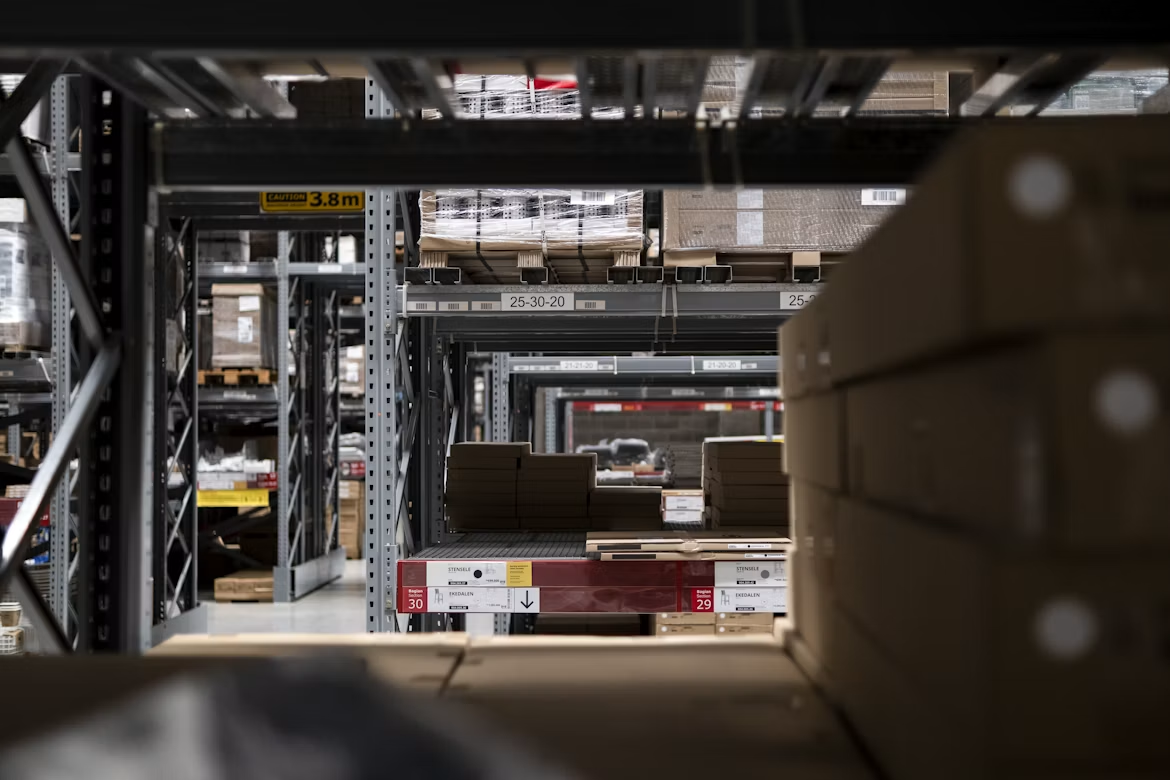
ShipBots fulfills from warehouses on both U.S. coasts, minutes from the Port of Long Beach, and partners with Passport for cross-border DDP. What that means operationally:
Your dedicated account manager sits inside the warehouse. When a shipment gets held, you're talking to someone who can walk over and look at it.
The difference is who pays import duties and taxes. Under DDU, the buyer pays them on arrival and handles customs clearance. Under DDP, the seller pays them upfront and delivers the goods fully cleared. Both terms cover the same physical journey ,they allocate the customs cost and responsibility differently.
No. The ICC retired DDU in the Incoterms 2010 revision and replaced it with DAP (Delivered at Place). DAP carries the same obligations. DDU is still used informally across the industry, but contracts should specify DAP under Incoterms 2020.
The total landed cost is usually the same, because the duty is owed either way. What changes is who pays it and when. DDP shifts that cost onto your invoice instead of your customer's doorstep, and sellers often add a small margin for handling and clearance risk.
Yes. The U.S. $800 de minimis exemption was suspended for all countries in August 2025 and made indefinite by regulation in June 2026. The EU removed its €150 exemption on July 1, 2026. Low-value parcels are now dutiable in both markets.
It depends on the market. Some countries require the seller or their Importer of Record to be registered locally to recover or remit import VAT. A cross-border partner can act as Importer of Record where you don't have an entity, which is how most DTC brands ship DDP without opening offices abroad.
Yes, and some brands do ,DDP for consumer orders, DAP for wholesale accounts that prefer to clear their own goods. Just make the difference explicit at checkout so no one is guessing what they'll owe.
A handful of markets restrict DDP entry, either broadly or for specific product categories, and the list changes with trade policy. Confirm eligibility per destination before you enable it, and check restricted-goods rules for your category alongside the duty rate.
If international orders are stalling at customs or converting poorly at checkout, the fix usually isn't the carrier, it's the terms. ShipBots handles DDP end to end from our fulfillment center in Los Angeles and our East Coast warehouse locations.
Get an instant quote, or come walk the floor and see where your inventory would sit. No contracts, no lock-ins ,we earn your business every month through performance




.svg)




.jpg)
.jpg)




.jpg)













.jpg)