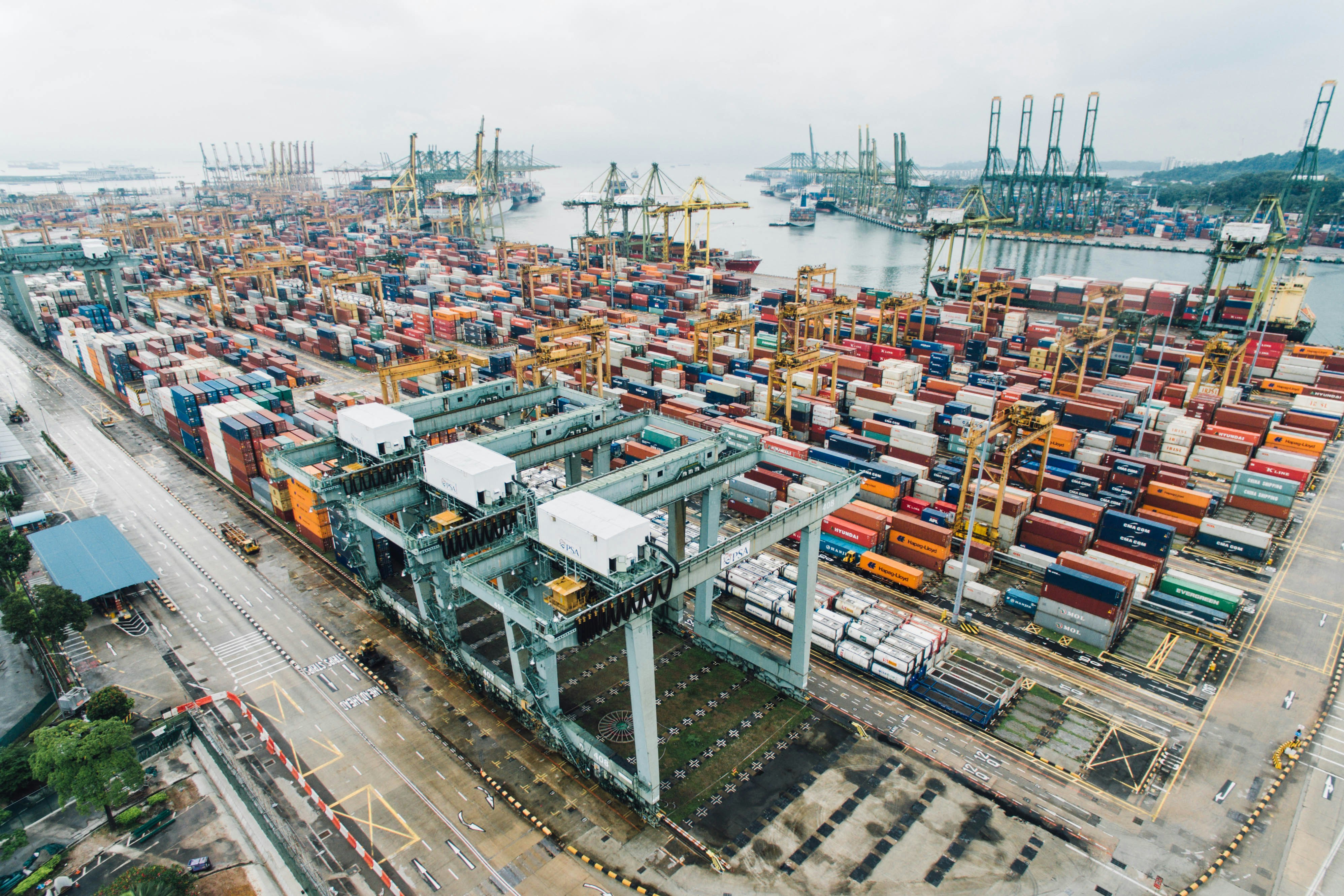
eCommerce Warehousing and Logistics: A Practical Guide for Online Brands
If you're outgrowing the garage, or spending more nights taping boxes than growing revenue, you're in the right place. ShipBots was built by a founder who lived that exact grind starting in 2010, so the rest of this guide is written operator-to-operator. Below, we break down how ecommerce warehousing works, the four main warehouse types, and how it differs from order fulfillment and logistics. We'll also cover how to choose a partner that ships on time, plus the best practices that keep your stock counts accurate as you grow.
The timing matters. eMarketer estimates global ecommerce hit about $6.4 trillion in 2025, roughly 20.5% of all retail sales. The global third-party logistics market sat near $1.3 trillion that year, driven in large part by ecommerce growth. More orders, faster delivery promises, and rising return rates all run through one place: the warehouse.
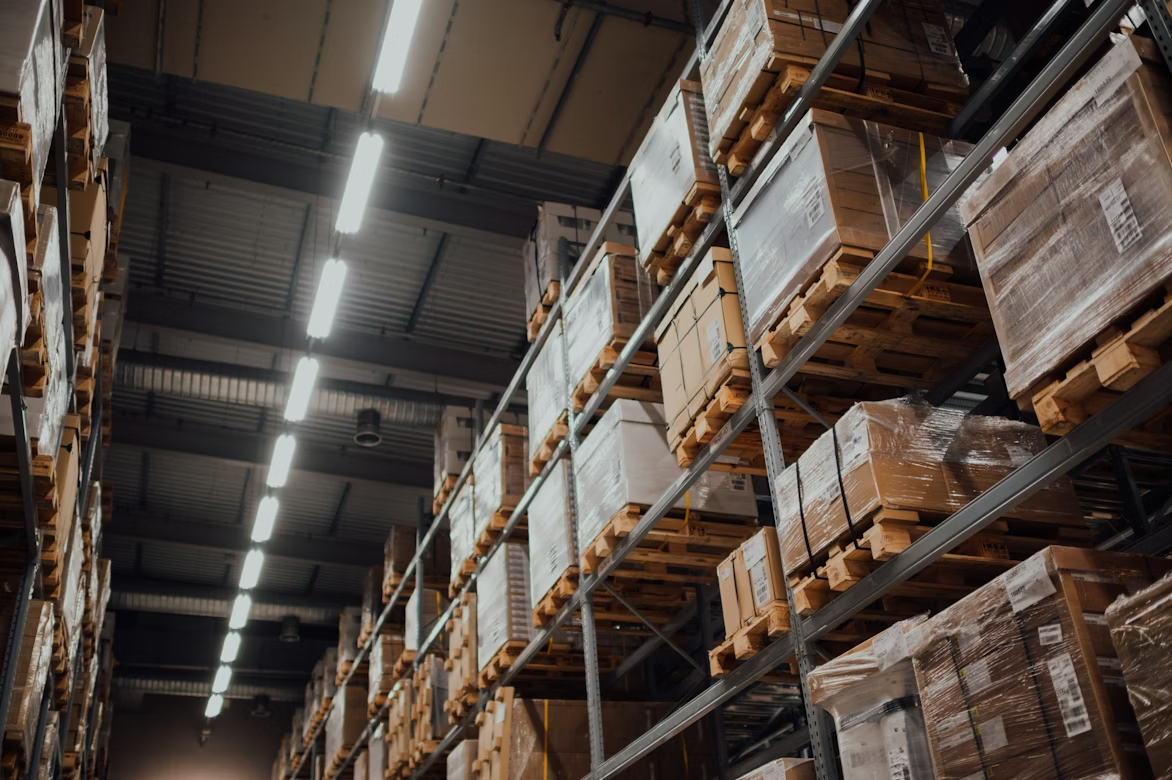
eCommerce warehousing is the storage and management of products that are sold online. eCommerce warehouse management is the wider set of processes that keep that warehouse running accurately, including:
Done well, warehousing isn't just a place to put boxes. It's the system that decides whether an order ships the same-day or sits for 72 hours, and whether your portal shows the right stock count or sends a customer a "sorry, that's actually out of stock" email.
These three terms get used interchangeably, but they're not the same thing, and knowing the difference helps you scope what you actually need.
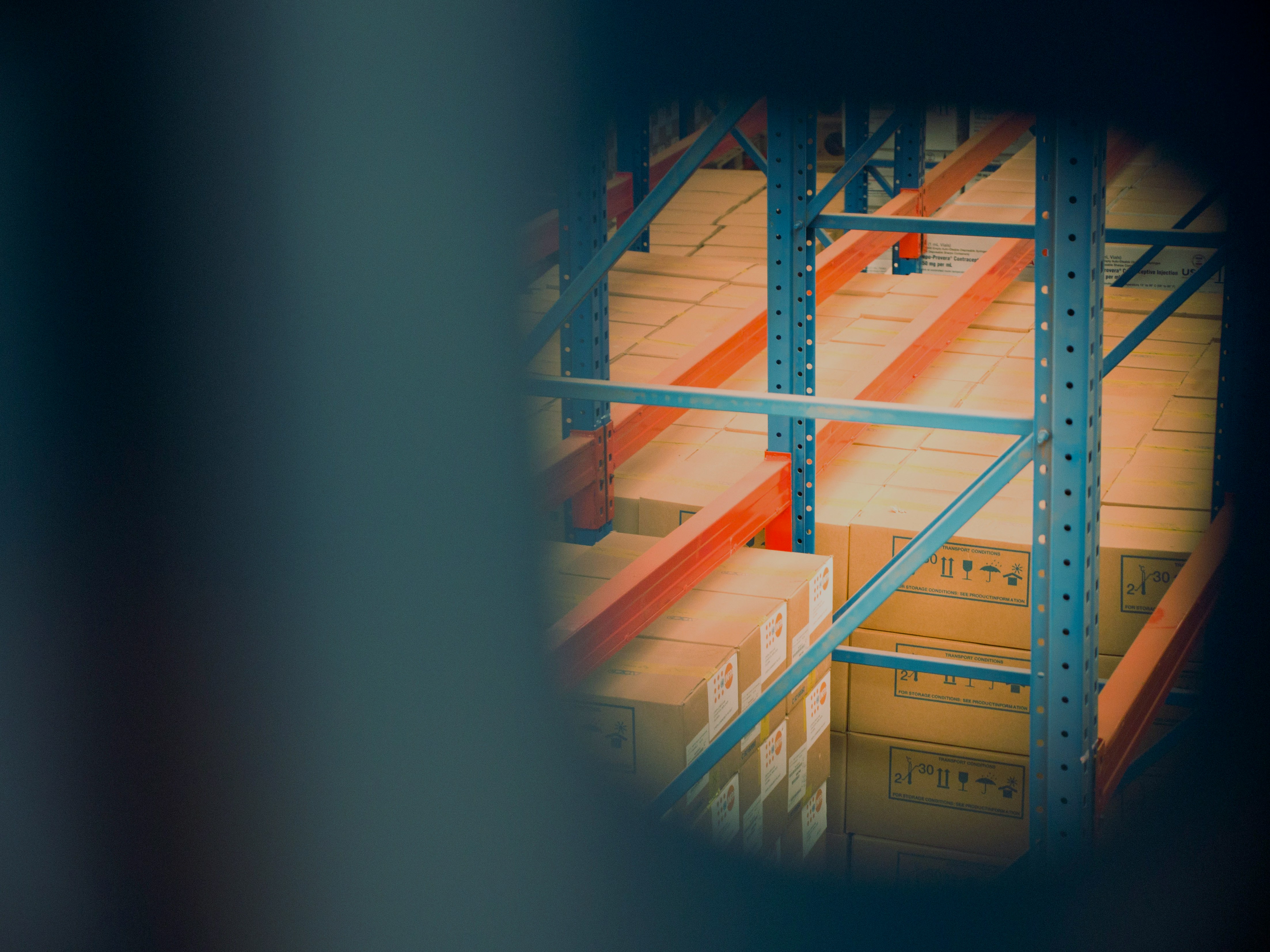
It's where inventory lives, gets counted, and gets organized. A pure warehouse has a dock to load and unload, and that's largely the job.
It's the receive-pick-pack-ship cycle that turns a stored product into a delivered order. Order fulfillment includes warehousing but adds the labor, software, and packaging that get the box out the door.
It covers inbound freight, carrier selection, transportation, last-mile delivery, and reverse logistics (returns). Warehousing and fulfillment both sit inside it.
A modern 3PL fulfillment center handles all three under one roof and one software layer, which is the whole point of outsourcing.
Every ecommerce warehouse, big or small, is built around a few core jobs. It receives and checks inbound stock, slots it so it's fast to find, picks and packs orders accurately, keeps inventory counts honest in real time, and processes returns back into sellable stock. The brands that win are the ones whose warehouse management system (WMS) ties all of that together and syncs cleanly with their sales channels.
When those pieces are disconnected (a spreadsheet here, a manual count there), that's where oversells, mis-ships, and angry support tickets come from.
Not every brand needs the same setup. The four below are the types of warehouses most ecommerce brands actually use, and who each one fits.
Most startups begin in a living room, garage, or spare office. It's cheap because your "rent" is space you already pay for, and it's manageable when order volume is low. The catch: your home fills up fast, and the model doesn't scale. The day you can't find the inventory under the dining table is the day to look at other options.
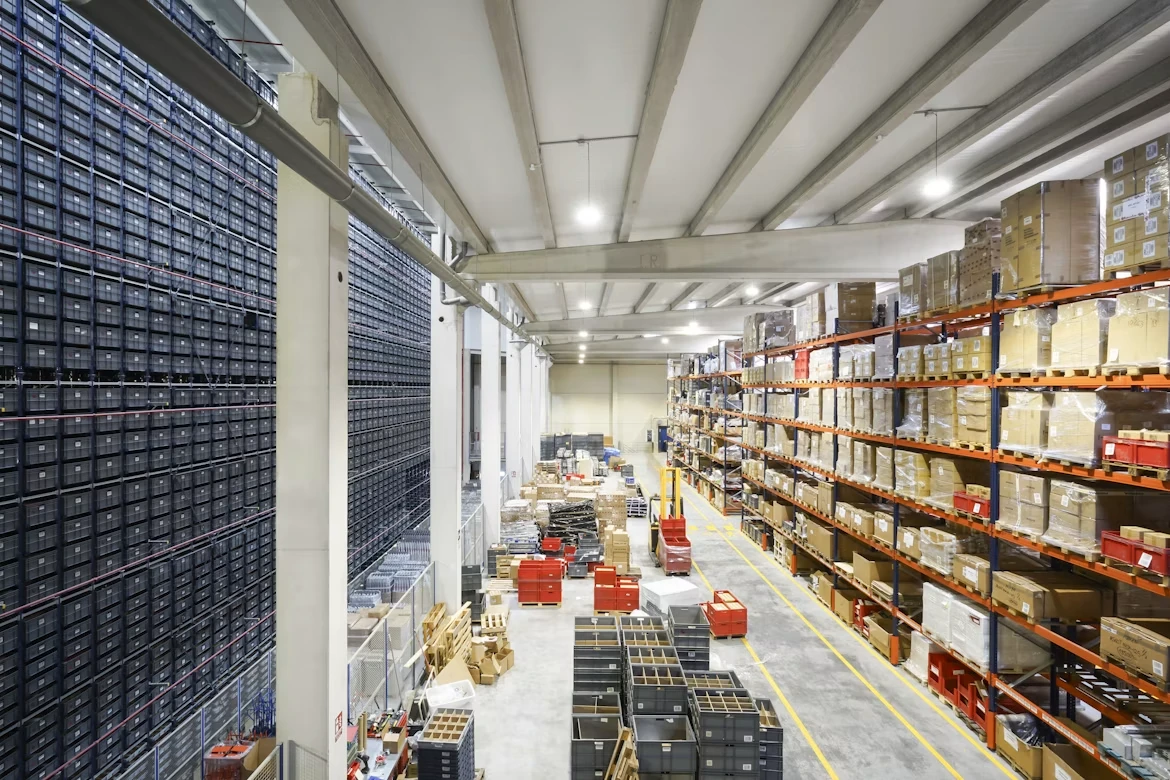
A 3PL fulfillment center is the grown-up version of a warehouse. It's built to receive, store, pick, pack, and ship in a systematic way. Advanced software and tight processes handle your orders for you. This is the most common path for brands that want to scale without buying real estate or hiring a warehouse crew. Amazon sellers sometimes use FBA for a similar reason. A 3PL, though, gives you more control over branding, packaging, and multi-channel orders, plus help with Amazon FBA prep when you do use FBA.
Here a brand rents storage space for a short, flexible window, often through companies with excess or shareable capacity. It's well-suited to seasonal spikes or pop-up events where you don't need year-round space. Think holiday overflow, a product launch, or a limited drop.
With dropshipping, the merchant never touches the inventory; the manufacturer stores the product and ships it directly to the customer when an order comes in. It's low-overhead, but you give up control over inventory, packaging, and the customer experience. Transit times are often long, since production is frequently overseas. For brands that care about unboxing and delivery speed, it's usually a trade-off too far.
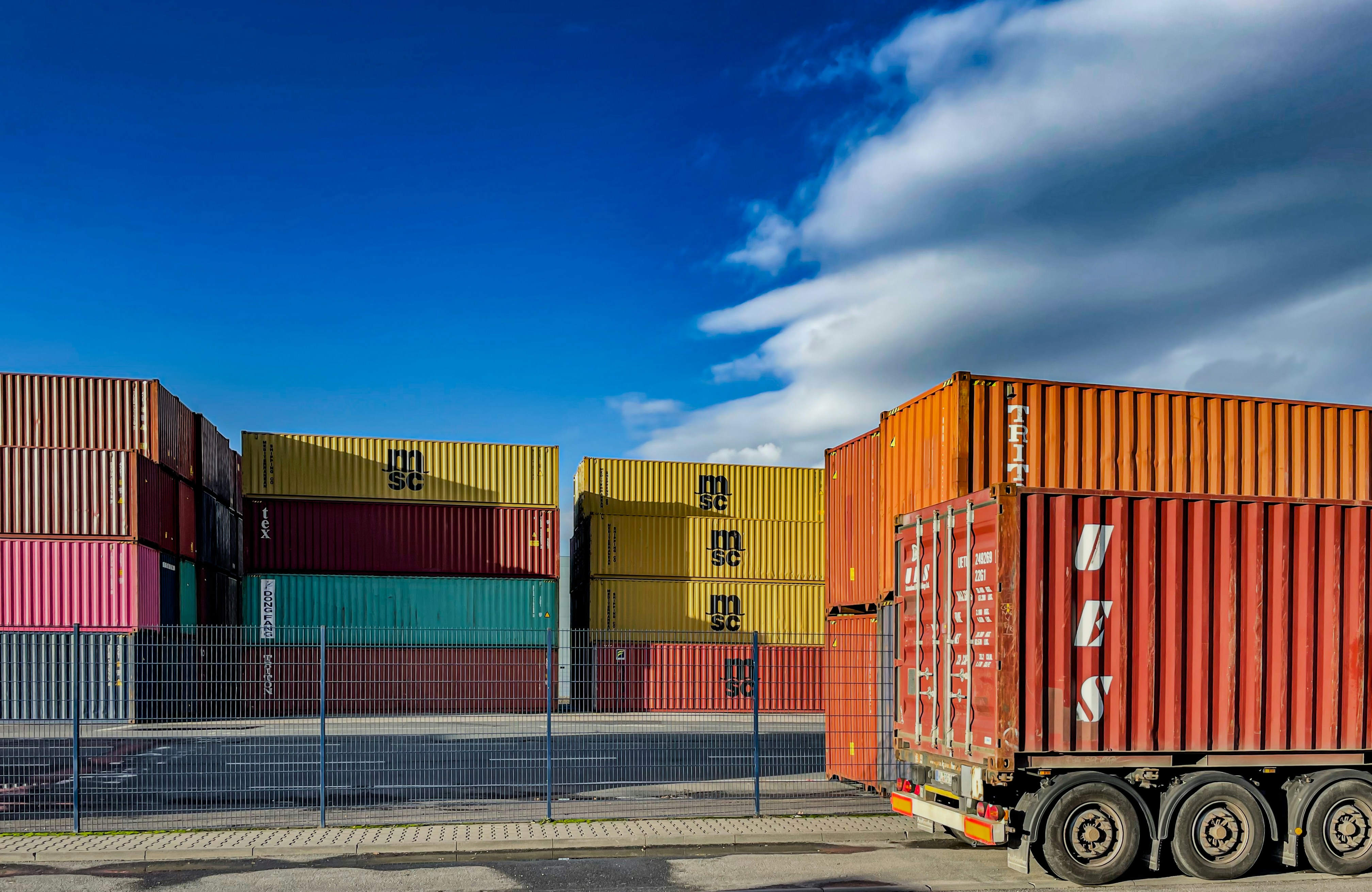
Simply put, warehousing is storage, a space where products are kept after arriving from a port, airport, or rail, with a dock to load and unload. Any business can use a warehouse.
A 3PL fulfillment center does far more. It stores your products and ships them to your end customer, managing the full order fulfillment process: receiving, picking, packing, shipping, inventory management, and returns. If a plain warehouse is a parking spot for inventory, a 3PL is the whole pit crew. The fulfillment center vs warehouse distinction comes down to that difference between storing and shipping.
Before you commit to an ecommerce warehouse or 3PL, work through this checklist:
If you plan to scale, partnering with a 3PL fulfillment center is usually the move. A good 3PL manages and automates warehousing, order fulfillment, inventory management, shipping, and returns, so those processes stop being your full-time job.
There's a reason the 3PL market keeps growing alongside ecommerce. Here's what outsourcing warehousing actually buys you.
You work directly with your ecommerce platform. Many 3PLs plug straight into major platforms. The moment an order is placed in your store, the details flow to the warehouse, where it's picked, packed, and shipped, with no manual handoff.
Selling on marketplaces gets easier. Whether you're running Shopify fulfillment or selling on Amazon, eBay, TikTok Shop, and Walmart, a 3PL syncs orders and inventory automatically across all of them through one system. One source of truth instead of five tabs.
Customers can track every order. When the 3PL ships, tracking flows back to your store and to the customer. That visibility matters: McKinsey found that shoppers value on-time delivery over raw speed, and about half actively track their orders to confirm they're on schedule.
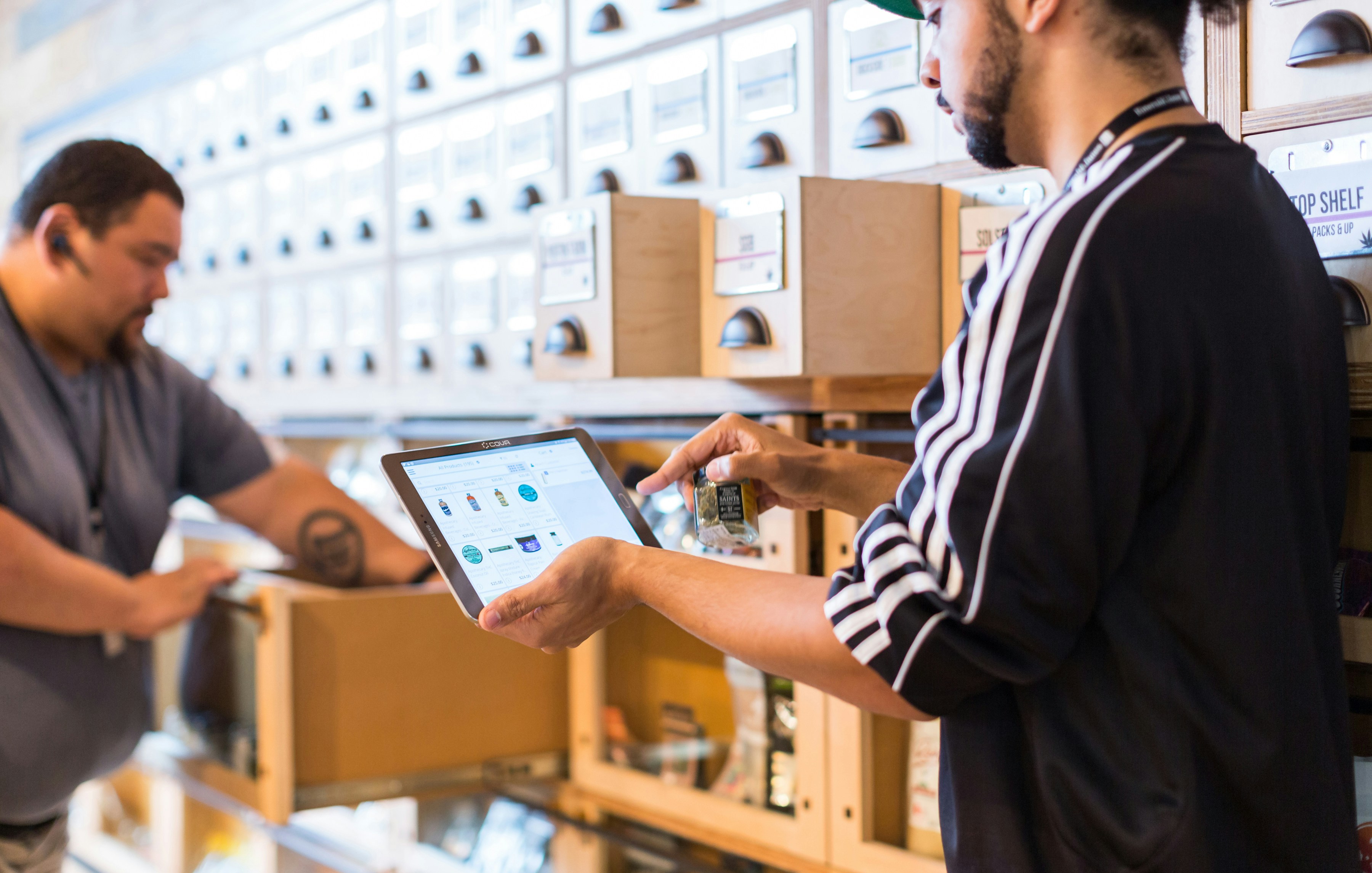
Inventory management gets sharper. A 3PL lives and breathes inventory, tracking levels, flagging restocks, and forecasting demand, usually with built-in software that automates the busywork.
Orders ship faster, for less. Shipping fast and free from a home or rural setup is expensive, and someone has to eat that cost. A 3PL with well-placed warehouses shortens the last-mile delivery distance to your customers and shrinks the bill. That matters more than it sounds: per the Baymard Institute, extra costs like shipping are the top reason shoppers abandon their carts, named by roughly 48% of US shoppers who bail at checkout.
Returns are the other side of that coin. The NRF estimates that about 19.3% of online sales were returned in 2025, part of a projected $849.9 billion in total U.S. returns. A 3PL with a real reverse logistics process turns that cost center into recovered, resellable stock instead of a pile in the corner.
A well-run warehouse shows a few consistent signals. Use these as a scorecard for any partner you're evaluating:
Get these right and the payoff is the thing every operator actually wants: proper management, fast delivery, and customers who come back.
ShipBots is a 3PL fulfillment center that stores, picks, packs, and ships your products for you. We run warehouses on both U.S. coasts, including one minute from the Port of Long Beach for import-heavy and international brands. We pair our order and warehouse software with real people. You get the speed of automation, plus a human who actually knows your account. As your 3PL, ShipBots will:
What sets us apart is the part most platforms hide: your dedicated account manager sits inside the warehouse handling your inventory, reachable by phone, email, Slack, or SMS, even on weekends. We back our work with a 99.999% accuracy rate, 99.9% same-day shipping, 48-hour dock-to-stock receiving, and 3M+ orders shipped a year across 100K+ SKUs. And we do it with no long-term contracts and transparent, volume-based pricing, because we'd rather earn your business every month through performance than lock you into a legal agreement.
Ready to get your nights back? Get an instant quote or tour one of our fulfillment centers, and let's talk about what shipping should actually feel like.
eCommerce warehousing is the storage and management of products sold online: receiving inventory, organizing and slotting it, tracking every SKU in real time, and staging it so orders can be picked, packed, and shipped. It's typically one part of broader ecommerce fulfillment services handled by a 3PL.
A warehouse stores inventory. That's the core job. A 3PL stores your products and ships them to your customers, managing receiving, picking, packing, shipping, inventory management, and returns through one software layer. A warehouse is a parking spot; a 3PL is the full operation.
It varies by volume, storage space, order count, and any special handling (fragile, temperature-controlled, or regulated goods). The model matters as much as the number: look for transparent, volume-based pricing with no hidden fees and no long-term contract, so your cost scales with your business instead of locking you in.
It depends on your channels. FBA can be efficient for Amazon-only sellers, but a 3PL usually gives you more control over branding, packaging, and multi-channel orders across Shopify, TikTok Shop, Walmart, and your own site, and can handle Amazon FBA prep when you do sell on Amazon. Many growing brands use both.
Match the partner to your product type, your growth trajectory, your budget, the shipping speeds your customers expect, and, critically, whether their WMS integrates with your store and marketplaces. Transparent pricing and accuracy metrics (same-day ship rate, order accuracy) are good tie-breakers.
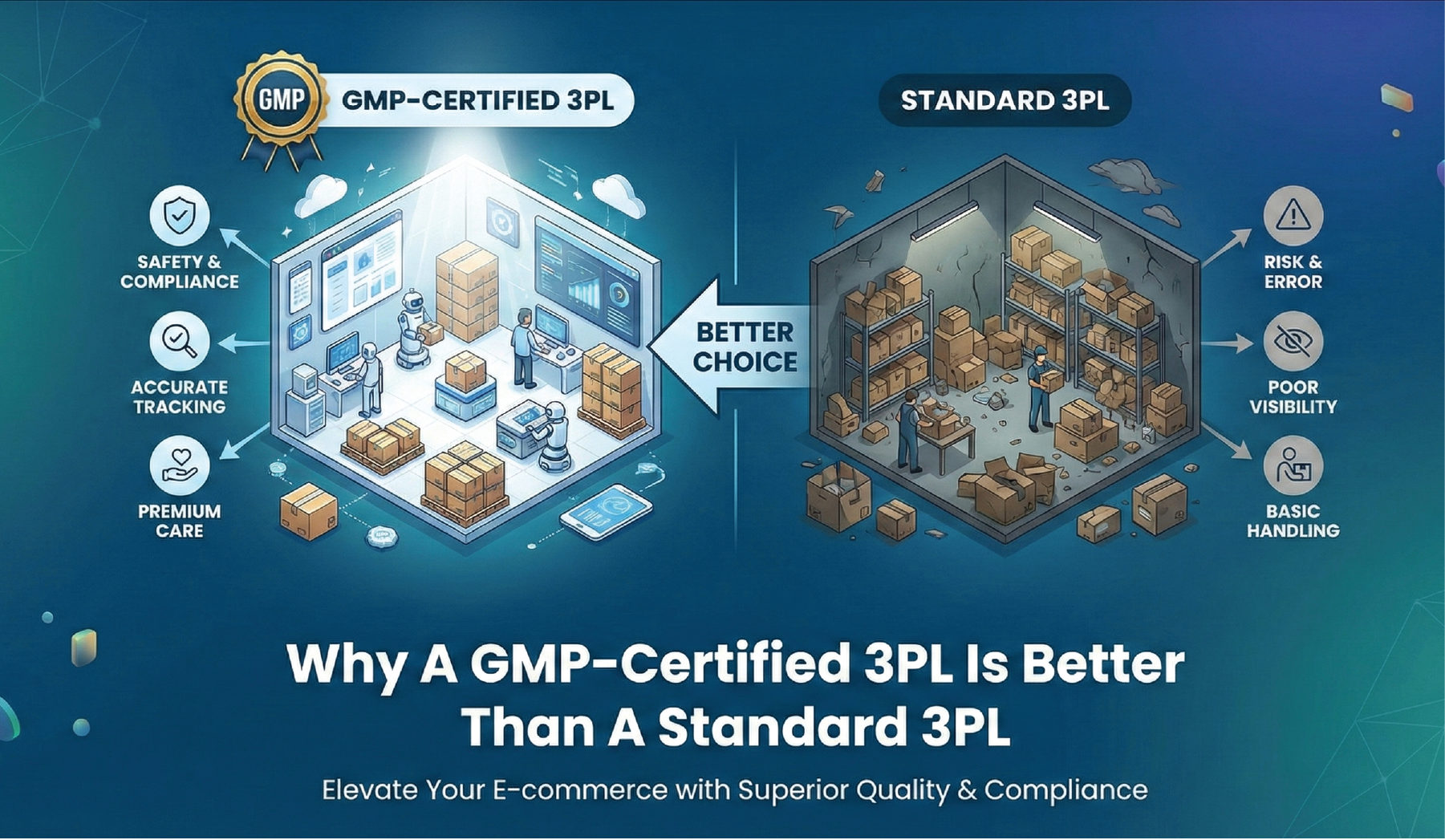
Yes, but confirm it specifically. Supplements, food, and cosmetics often need FDA-registered, GMP-certified facilities and temperature-controlled cold storage. Always ask a prospective partner to confirm those capabilities for your exact product category before you commit.
Returns are now a major cost. The NRF estimates about 19.3% of online orders were returned in 2025. A 3PL with a built-in returns process inspects, restocks, and routes returned items efficiently, so more of that value is recovered instead of written off.
The best way to judge a warehouse is to see one. A quick warehouse tour shows exactly how your orders would move through ours, and whether ShipBots is the partner that finally takes shipping off your plate.




.svg)




.jpg)
.jpg)




.jpg)












.jpg)